
Commercial building duct cleaning keeps tenant spaces healthy and comfortable, in line with EPA indoor air quality and NADCA standards. NADCA-certified air duct and HVAC cleaning for commercial buildings, office towers, retail and mixed-use properties — healthier tenants, fewer complaints, lower energy, cleaned around occupancy. Nationwide, 24/7.
Stuffy air, dust and odors drive tenant complaints. Source-removing them from the ductwork fixes the cause.
OSHA estimates ~30% of commercial buildings have below-standard indoor air. Clean conveyance is a core fix.
Clean coils and ducts restore airflow and heat exchange, cutting HVAC energy waste across the property.
After-hours, floor-by-floor scheduling keeps tenants working and retail open.
Before/after photos and reports for owners, tenants, leasing and insurance.
Every commercial building is really an air-recirculation machine. Rooftop units, VAV boxes, ceiling return plenums and shared ductwork move the same air through offices, retail and common areas all day. When that system loads up with dust, construction debris, pollen and — wherever moisture is present — microbial growth, tenants breathe it, and they notice.
The symptoms are familiar to any property manager: dust blowing from vents, ceiling-tile smudging around diffusers, musty odors, hot-and-cold complaints, and the vague headaches and irritation of sick building syndrome. OSHA has estimated that roughly 30% of commercial buildings have below-standard indoor air quality — a tenant-satisfaction, liability and leasing problem.
Professional air duct and HVAC cleaning removes those contaminants at the source, restores design airflow, cuts energy waste and gives ownership documented proof the building is well maintained. The numbers make the case:
ASHRAE 62.1 ventilation standards, the NADCA ACR Standard and green-building programs (LEED, WELL) all point the same way: commercial buildings should keep their air systems clean and documented. (Looking for our nationwide service overview? See our Commercial Air Duct Cleaning page.) Duct and HVAC cleanliness is the piece that keeps tenants comfortable and leases renewing.
Source removal clears the dust, odor and hot/cold issues behind the complaints that fill your inbox.
Clean coils and ducts hold design airflow and ventilation rates across every floor and tenant space.
Less airflow resistance and clean heat-exchange surfaces cut energy use, emergency calls and premature equipment failure.
Documented healthy air supports tenant retention, green-building goals and the value of the asset.
Commercial HVAC pulls in outdoor pollen and dust, then recirculates whatever the filters miss. Over years, supply and return ducts, coils, VAV boxes and rooftop units accumulate dust, skin cells, pollen, construction debris and — wherever moisture is present — mold and bacteria. Tenant fit-outs and renovations load the system fast.
Multi-tenant occupancy, shared air paths and 24/7 leases mean contamination in one part of the system affects everyone, and work has to happen after hours without disrupting tenants or retail. Aging building stock and layered renovations hide contaminants where no one sees them — until they show up as complaints.
Dust-loaded coils and restricted ductwork force HVAC to run longer and harder, driving up energy bills, emergency repairs and equipment failure. Cleaning restores design capacity — often paying for itself in energy and reduced service calls.
Follow inspection-based cleaning per the NADCA ACR Standard: inspect at least annually, and clean when contamination exceeds benchmarks or where moisture and growth are present — typically every 2–5 years, and after tenant fit-outs, renovation or water intrusion. Every project should close with documentation.
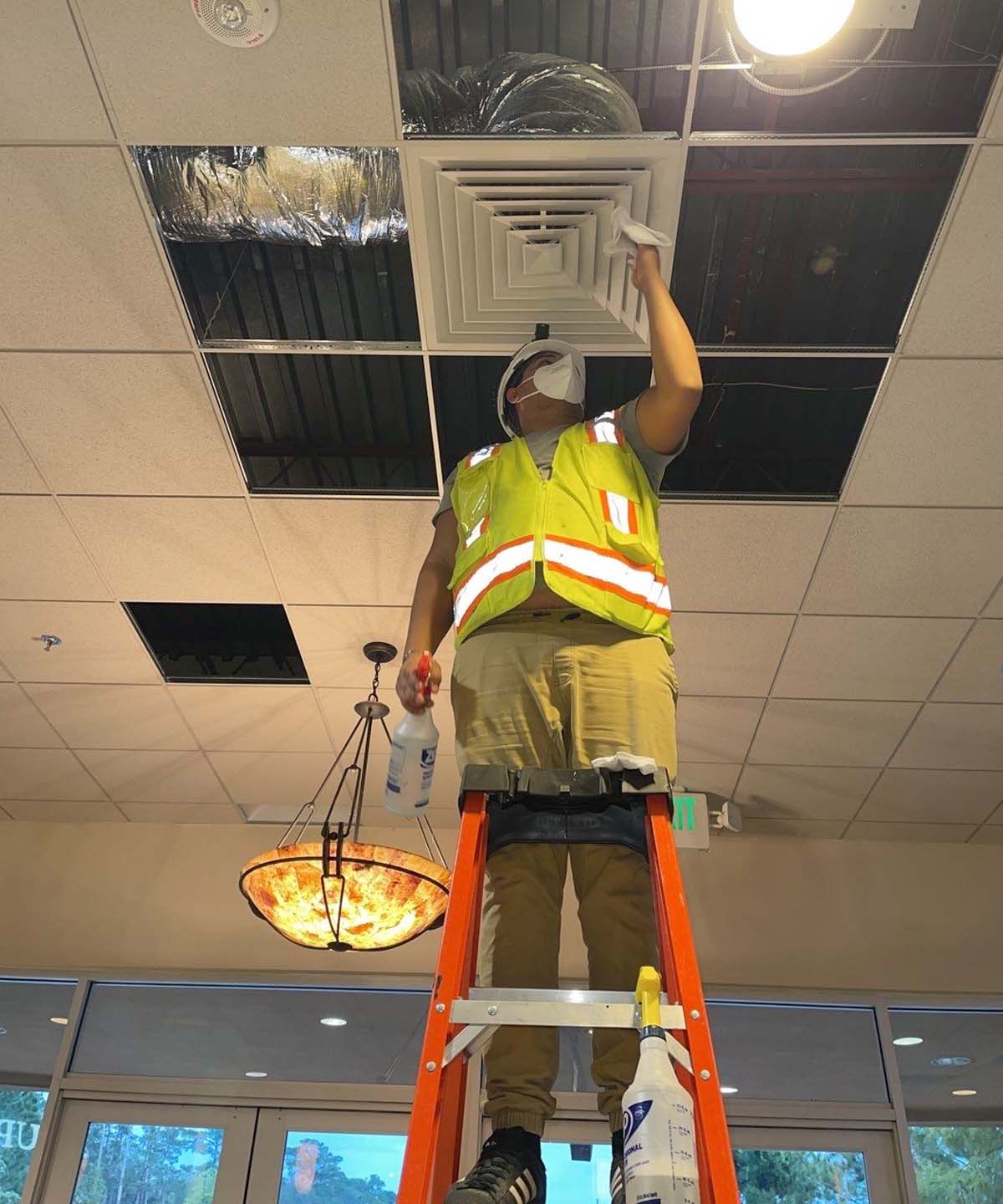
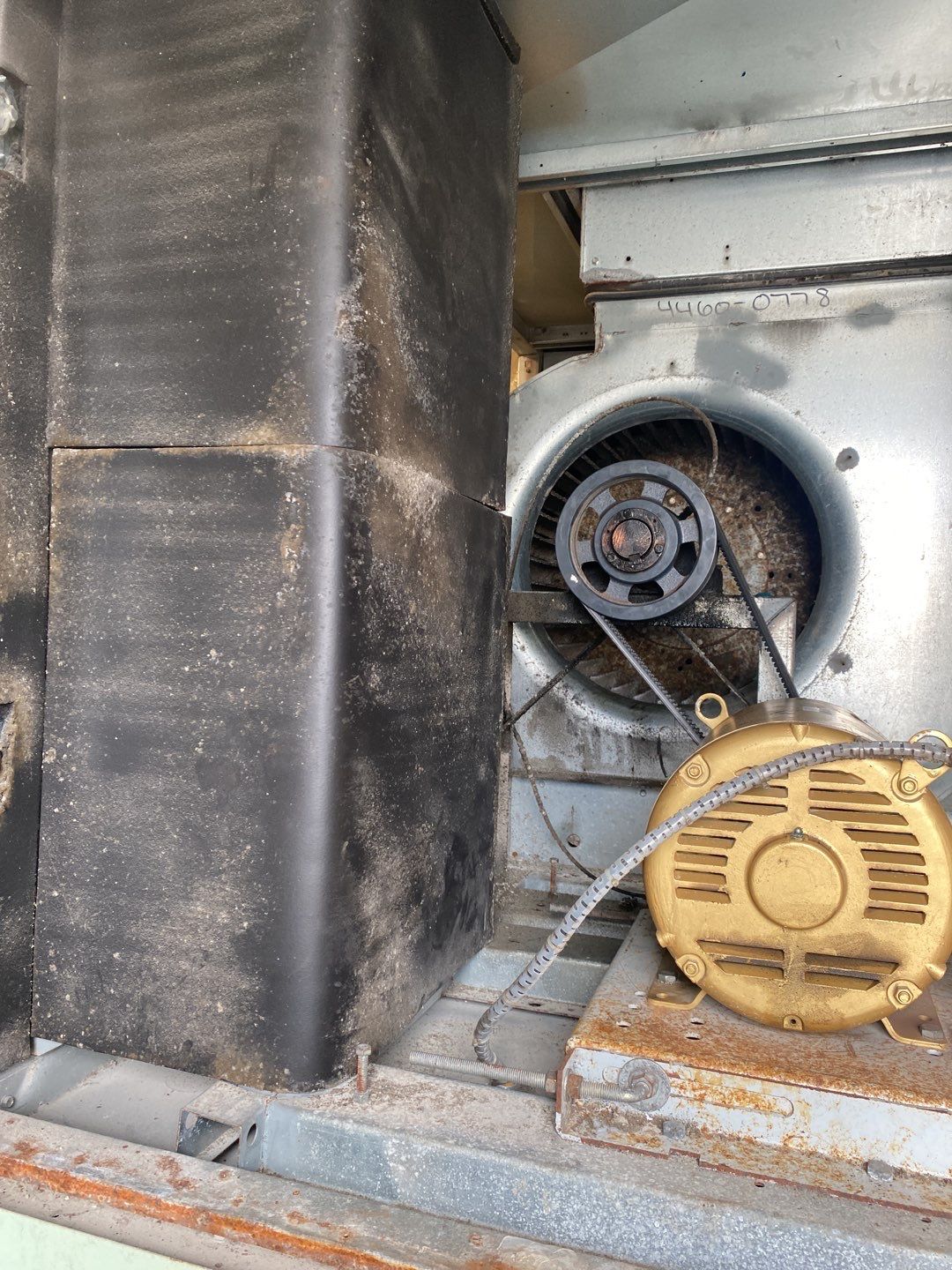
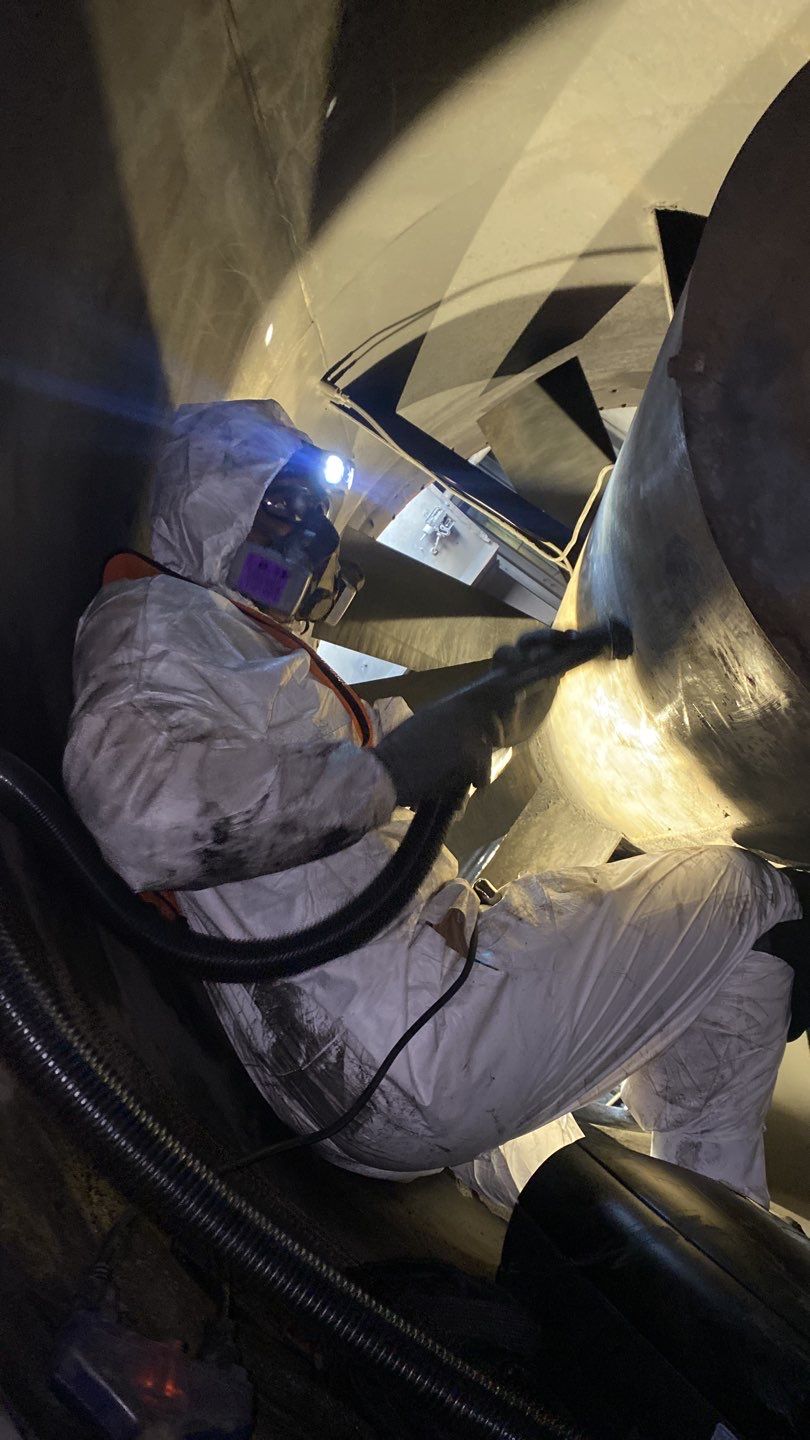
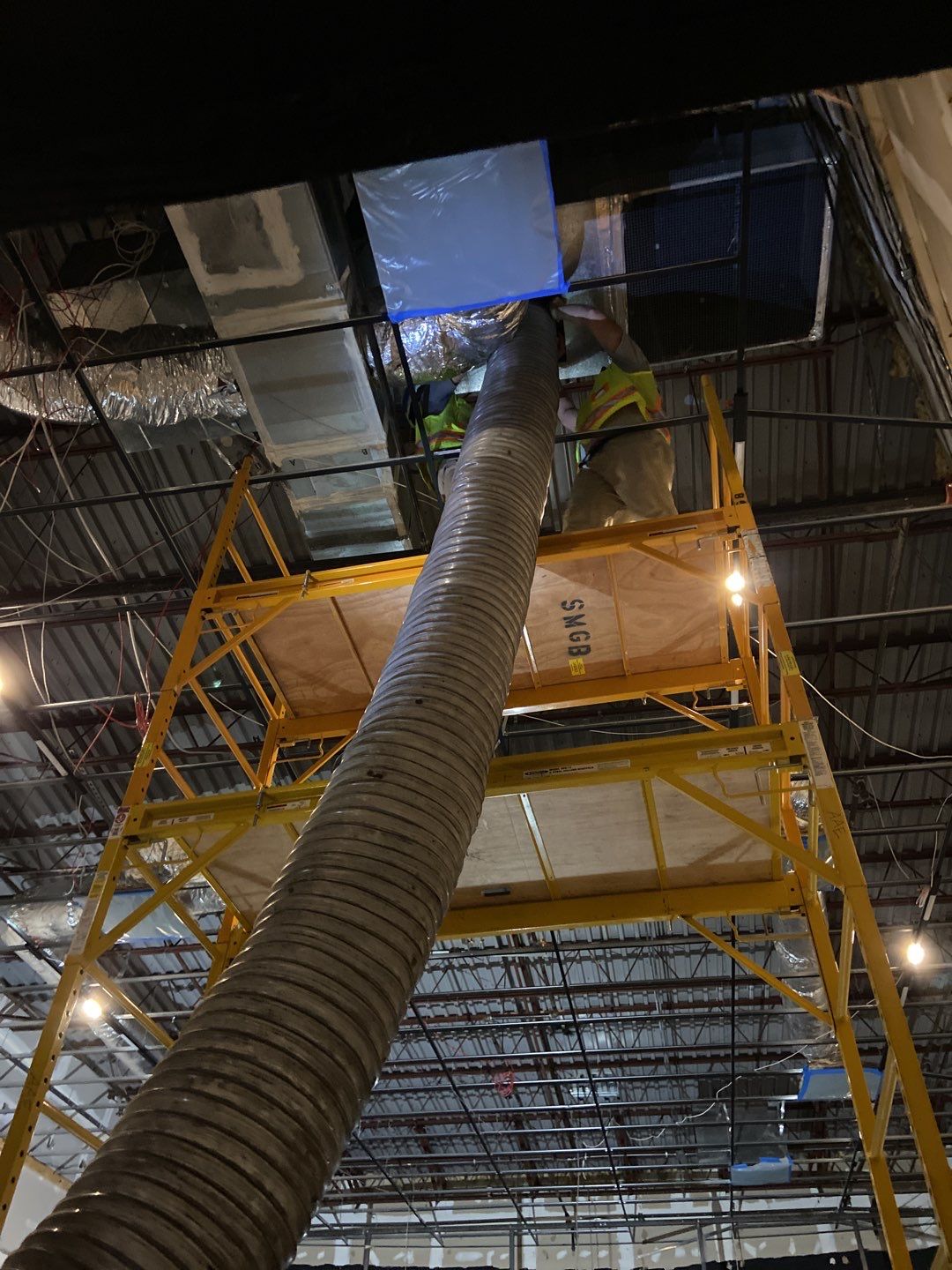
Inspect and map the system, photograph conditions and scope to your building and tenants.
Seal work zones under negative pressure with HEPA filtration to protect occupants.
Source-remove debris from ducts, coils, VAV boxes and rooftop units to NADCA ACR criteria.
Matched-angle photos and particle counts confirm cleanliness before areas reopen.
Audit-ready closeout with a recommended re-inspection cadence for your files.
For office, retail and mixed-use properties, require NADCA certification, real commercial and multi-tenant experience, command of containment, negative pressure and HEPA source removal, after-hours scheduling that respects tenants, and documentation owners and leasing teams can rely on. IAQ Restoration meets every one of these on every project — nationwide.
No. Work is phased floor-by-floor, after hours and around retail, with each zone isolated under negative pressure, so tenants and shoppers are never interrupted.
Inspect at least annually and clean based on verified conditions — typically every 2–5 years, and immediately after tenant fit-outs, renovation or water intrusion, per the NADCA ACR Standard.
Yes. Dust-loaded coils and restricted ducts force the system to run longer and harder. Cleaning restores design airflow and heat exchange, cutting energy use and emergency repairs.
This industry page speaks to building owners and property managers; our Commercial Air Duct Cleaning service page is the nationwide service overview. Both describe the same NADCA-certified work — start with whichever fits your search.
We escalate to enhanced containment and EPA/NADCA-aligned remediation, remove and replace any wet internal duct insulation that can't be cleaned, and verify the area before it reopens.
Yes. Our national team runs multi-property programs under one scope, schedule and point of contact, with consistent documentation for every building.
NADCA-certified crews, nationwide. Free assessment of your building or portfolio.
Call 800-883-6040Request a Quote