Distribution center duct cleaning keeps high-bay logistics air clean, in line with EPA indoor air quality and NADCA standards. NADCA-certified duct, coil and rooftop-unit cleaning for distribution, fulfillment and logistics facilities — high-bay dust control that protects inventory and workers and keeps operations moving. Nationwide, 24/7, around your peaks.
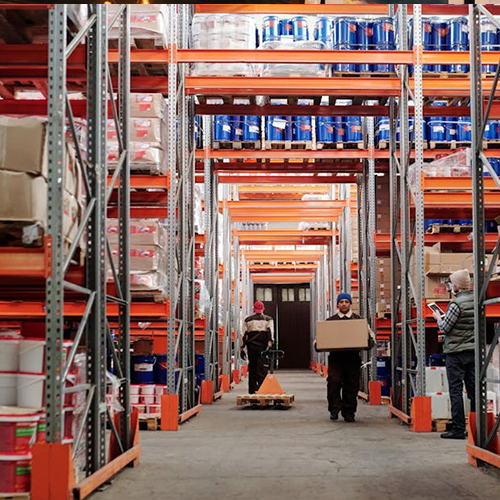
Cardboard, pallet and packaging fibers load rooftop units and ductwork fast in a high-throughput DC.
Forklift exhaust and airborne dust affect the people on the floor. Clean air supports OSHA air-quality expectations.
We work high-bay with lift plans, overnight and around peak season, so throughput never stops.
Dust settles on goods, conveyors, scanners and controls. Source removal keeps particulate off what you ship and run.
Photos, particle counts and a safety plan for EHS, QA and insurance files.
A modern distribution or fulfillment center is a dust factory. Cardboard, shrink-wrap, pallets and constant material movement shed fibers and particulate into the air all day, while rooftop units (RTUs and MAUs) and long overhead duct runs pull it in and recirculate it across the floor. In high-throughput and cold-storage operations, that load builds fast.
Left alone, it coats coils and chokes airflow — driving up energy use and heat, shortening equipment life, and settling dust onto inventory, conveyors, barcode scanners and automation controls. On the floor, forklift exhaust and airborne particulate become a worker air-quality and OSHA concern. In peak season, none of it can be allowed to slow shipping.
Professional air-side cleaning removes the dust at the source, protects inventory, equipment and workers, and keeps HVAC efficient across a 24/7 operation. The numbers make the case:
OSHA air-quality expectations, ASHRAE 62.1 ventilation and the NADCA ACR Standard all point the same way: high-throughput logistics facilities have to keep their air systems clean. (Running a manufacturing or heavy-industrial plant? See our Industrial Buildings & Warehouses page.) Duct, coil and rooftop-unit cleanliness is the piece that protects uptime, inventory and your people.
Source removal keeps dust off goods, conveyors, scanners and automation controls, reducing errors and wear.
Removing airborne dust and controlling ventilation supports worker health and OSHA air-quality expectations.
Clean coils and rooftop units restore airflow, cutting cooling/heating energy and emergency HVAC calls.
Reliable, efficient HVAC keeps temperatures and air quality stable through peak season and long shifts.
Distribution and fulfillment centers generate enormous particulate loads that standard cleaning can't keep up with: cardboard and packaging fibers, pallet and product dust, and forklift exhaust, all pulled into rooftop units and long overhead duct runs and recirculated across a vast open floor.
High-bay ceilings, huge open volumes, rooftop units and 24/7 throughput make DC air systems load fast and hard to reach. Work requires lift plans for high overhead ductwork, phased zone scheduling around shipping, and containment that keeps debris out of inventory and automation — by crews who understand logistics operations. (This page complements our Industrial & Warehouses page, which covers manufacturing and heavy-industrial plants.)
A dust-loaded RTU coil loses heat-transfer efficiency and airflow, so the unit runs longer and hotter — driving up energy and heat on the floor while shortening equipment life. Cleaning restores capacity and cuts operating cost across a big roof full of units.
Follow inspection-based cleaning per the NADCA ACR Standard: assess rooftop units and ductwork, then clean based on the facility's dust load — typically every 1–3 years for high-throughput operations, and after major seasonal peaks or construction. Every project should close with documentation.
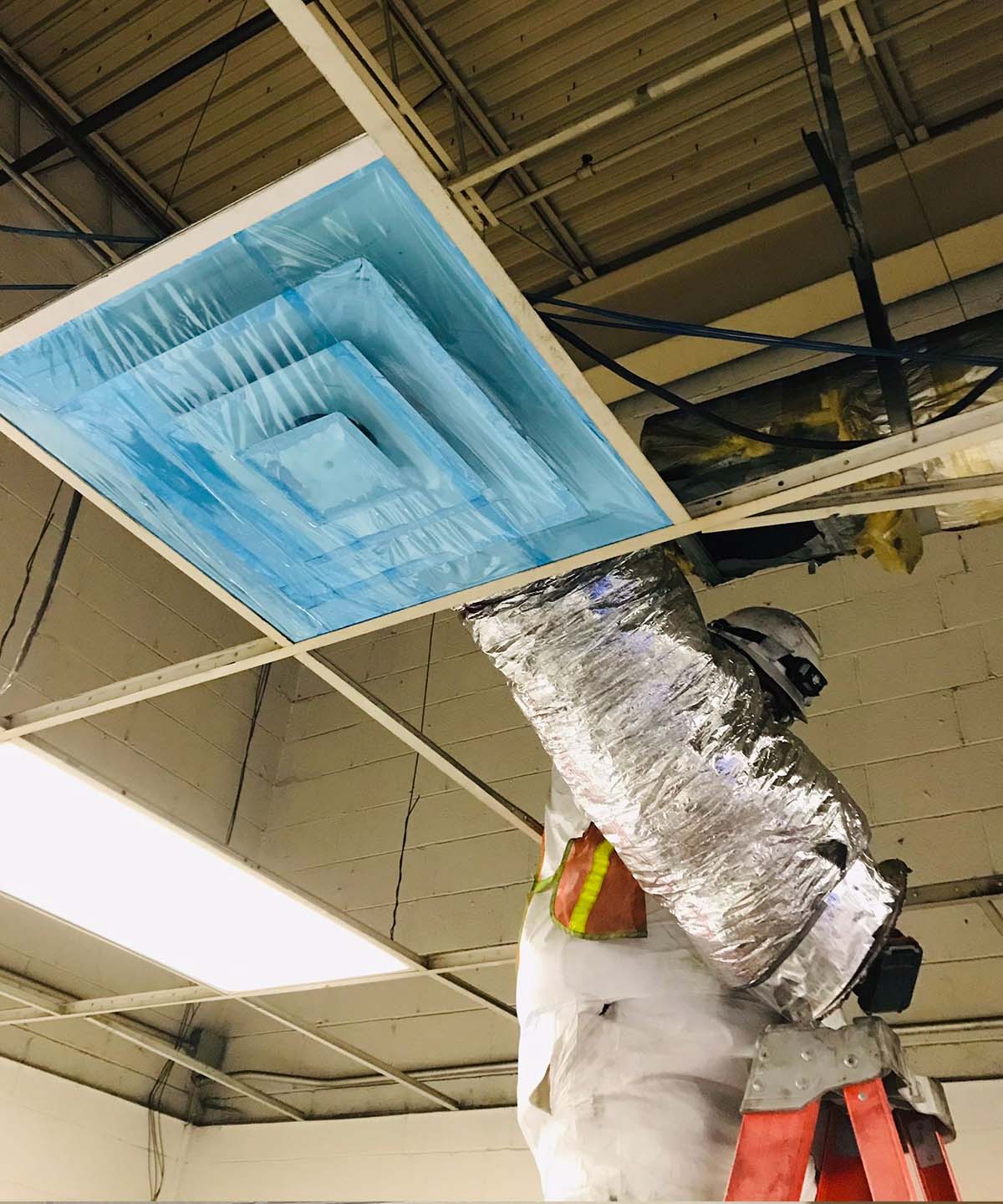
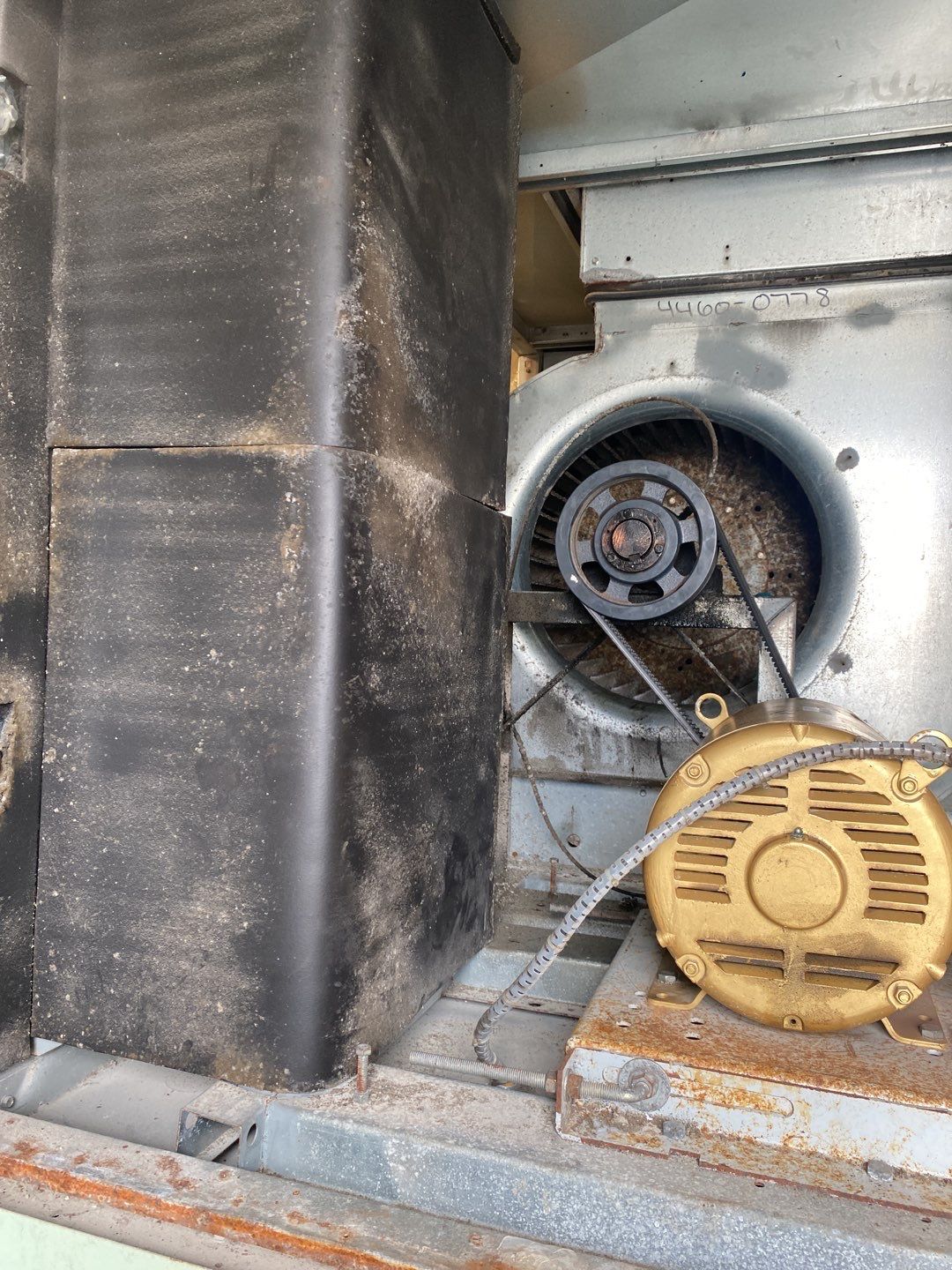
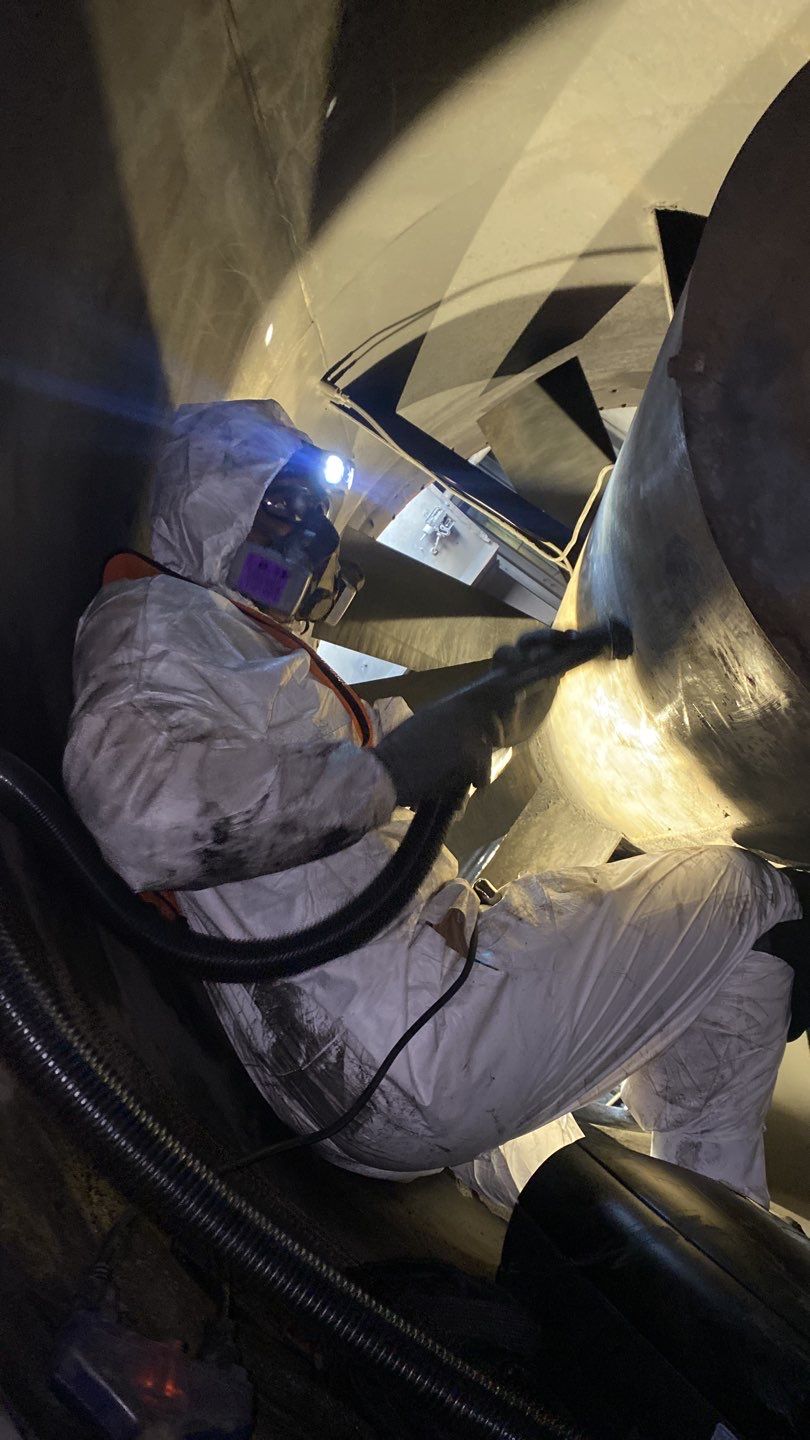
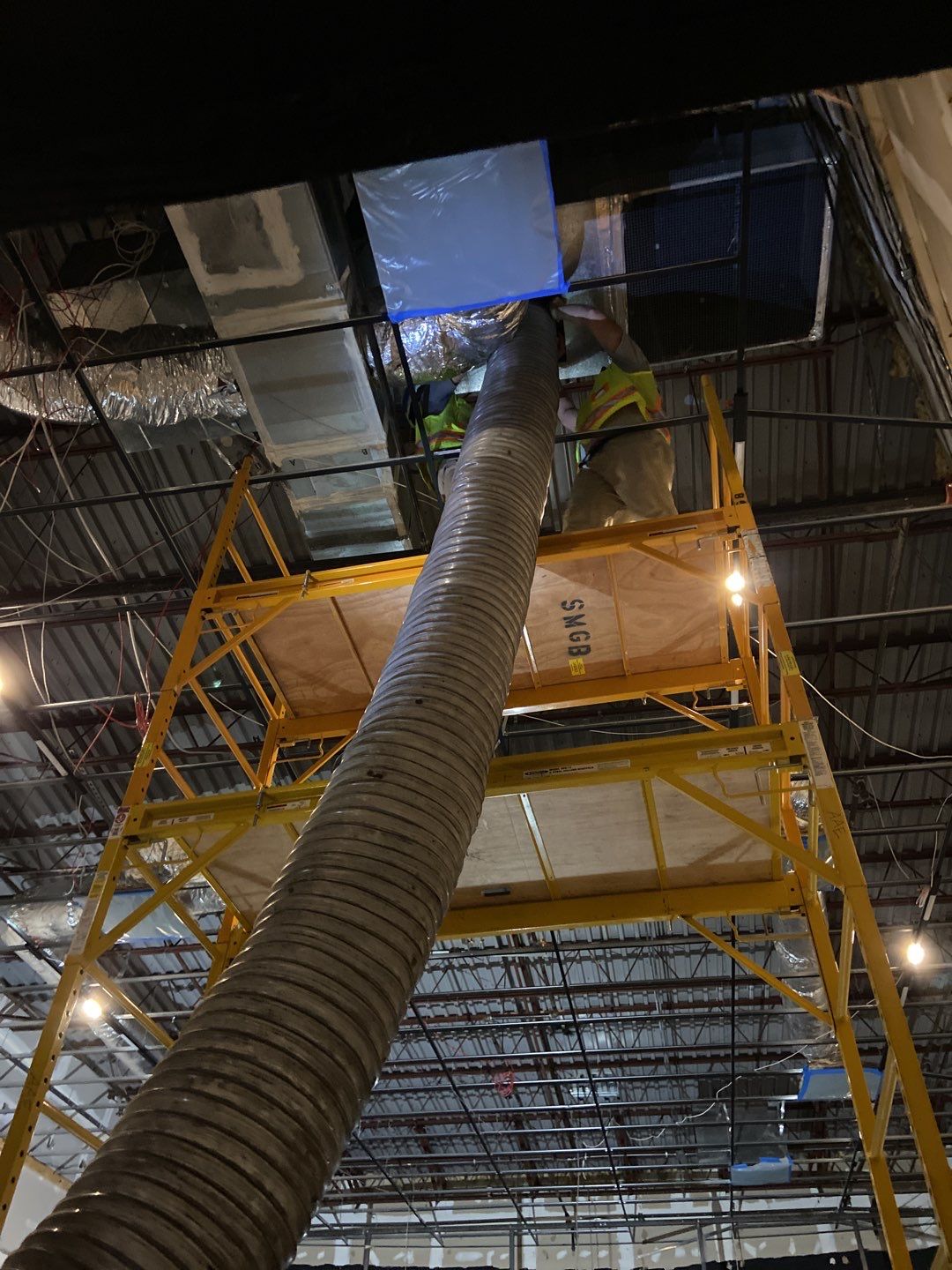
Inspect rooftop units and overhead ductwork, photograph conditions and plan lift access.
Seal and depressurize work zones with HEPA filtration to protect inventory and automation.
Source-remove dust from RTUs, coils and long duct runs to NADCA ACR criteria.
Particle counts and matched-angle photos confirm cleanliness before hand-back.
Audit-ready closeout with a recommended re-inspection cadence.
A busy DC needs more than a general duct cleaner. Require NADCA certification, real logistics and high-bay experience, lift-plan and safety capability, command of containment and HEPA source removal, phased scheduling around shipping, and documentation your EHS team will accept. IAQ Restoration delivers all of it — nationwide, around your peaks.
Yes. We work zone-by-zone, high-bay with lift plans, overnight and around peak season, with containment that protects inventory and automation so throughput never stops.
With lift plans and the right access equipment for high-bay ceilings and rooftop RTUs/MAUs, worked safely under our site-safety and EHS coordination.
Inspect regularly and clean based on dust load per the NADCA ACR Standard — typically every 1–3 years for high-throughput operations, and after major peaks or construction.
They complement each other: this page focuses on distribution, fulfillment and logistics; our Industrial Buildings & Warehouses page covers manufacturing and heavy-industrial plants. We serve both.
Yes. Sealed containment and HEPA-filtered collection keep particulate off conveyors, scanners, controls and stored goods during every clean.
Yes. Our national team runs multi-site logistics programs under one scope, schedule and point of contact, with consistent documentation for every facility.
NADCA-certified, high-bay-ready crews, nationwide. Free scope review for your facility or network.
Call 800-883-6040Request a Quote