
Church duct cleaning keeps sanctuaries healthy and comfortable, in line with EPA indoor air quality and NADCA standards. NADCA-certified air duct and HVAC cleaning for churches, temples and houses of worship — healthier air for your congregation, cleaner sanctuaries and fellowship halls, scheduled around your services. Nationwide, at fair value.
Large gatherings include children and seniors. Clean air reduces the dust and allergens that trigger asthma and allergies.
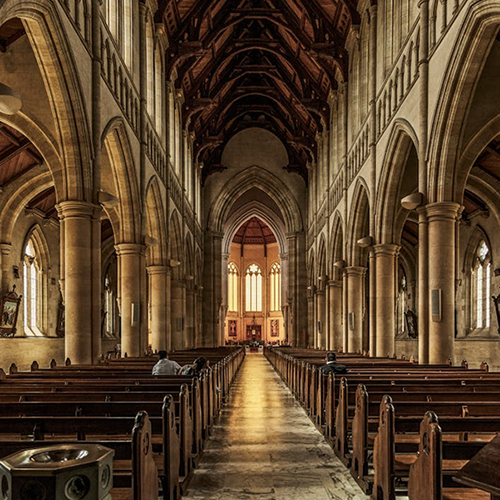
High-ceiling sanctuaries and on/off HVAC cycles let dust and humidity build up out of sight between services.
Straightforward scopes and pricing that respect a ministry budget — no upsells, just the work you need.
We schedule during the week and off-hours so worship, events and programs are never interrupted.
Before/after photos and a closeout report for your trustees, board and insurance.
A sanctuary gathers hundreds of people into a shared volume of air — the young, the elderly and the immune-compromised among them. Between services the HVAC often sits idle, then surges to condition a huge, high-ceilinged space in a short time. That stop-start pattern, combined with big return-air paths and dusty attics and chases, lets particulate and moisture accumulate inside the ductwork out of sight.
Many churches are also older or historic, with aging HVAC, humid basements and fellowship-hall kitchens layered onto original systems. Dust settles on pews, organs and instruments; musty odors linger; and allergy-sensitive members feel it first. When the system finally runs hard for a Sunday, it pushes whatever has collected back into the room.
Professional air duct cleaning removes those reservoirs at the source, protects a vulnerable congregation, and keeps HVAC efficient so a tight budget goes further. The numbers make the case:
Guidance from the NADCA ACR Standard, ASHRAE 62.1 ventilation and EPA indoor-air recommendations all point the same way: assembly spaces that gather large groups should keep their air systems clean. For a house of worship, that's not just maintenance — it's caring for the people in the pews.
Source removal clears the dust, pollen and mold reservoirs that trigger asthma and allergies in the sanctuary and classrooms.
Removing musty and stale odors from the ductwork makes the sanctuary and fellowship hall more inviting for every visitor.
Clean coils and ducts cut energy use and emergency repairs — real savings for a ministry budget.
Controlling dust and humidity protects organs, instruments, finishes and the HVAC investment itself.
Worship facilities load their ductwork in a distinctive way. Large, occasional gatherings shed dust and dander; big return-air paths pull in attic and chase debris; and intermittent HVAC operation lets moisture and particulate settle between uses. Fellowship halls, kitchens and classrooms add their own contaminants — and all of it collects in ducts, coils and air handlers.
High ceilings, big open volumes and stop-start HVAC make dust and humidity accumulate where no one sees them, then get pushed into the room when the system runs hard for a service. Historic and volunteer-maintained buildings often can't add ventilation easily, so the existing system has to do all the work — and needs to be clean to do it.
Congregants notice a stuffy sanctuary, a musty basement or dust settling on pews and instruments. Those are symptoms of contaminated air conveyance. Source removal from the ductwork addresses the cause, not just the surface.
Follow inspection-based cleaning per the NADCA ACR Standard: inspect at least annually, and clean when contamination or moisture is present — typically every 2–4 years for assembly spaces, and after any water intrusion, renovation or mold discovery. Every project should close with documentation.
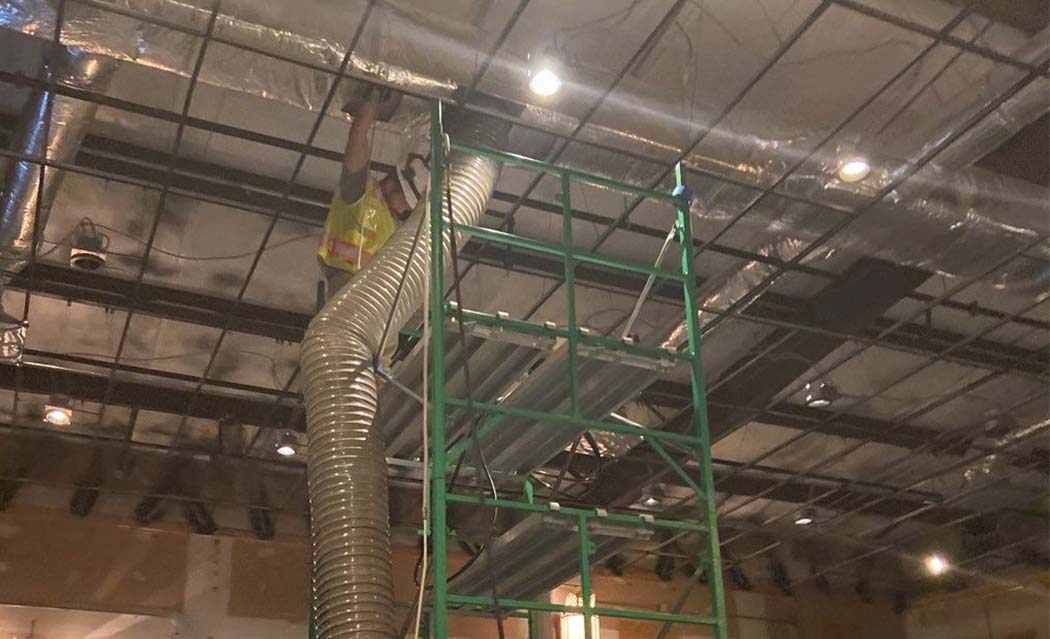
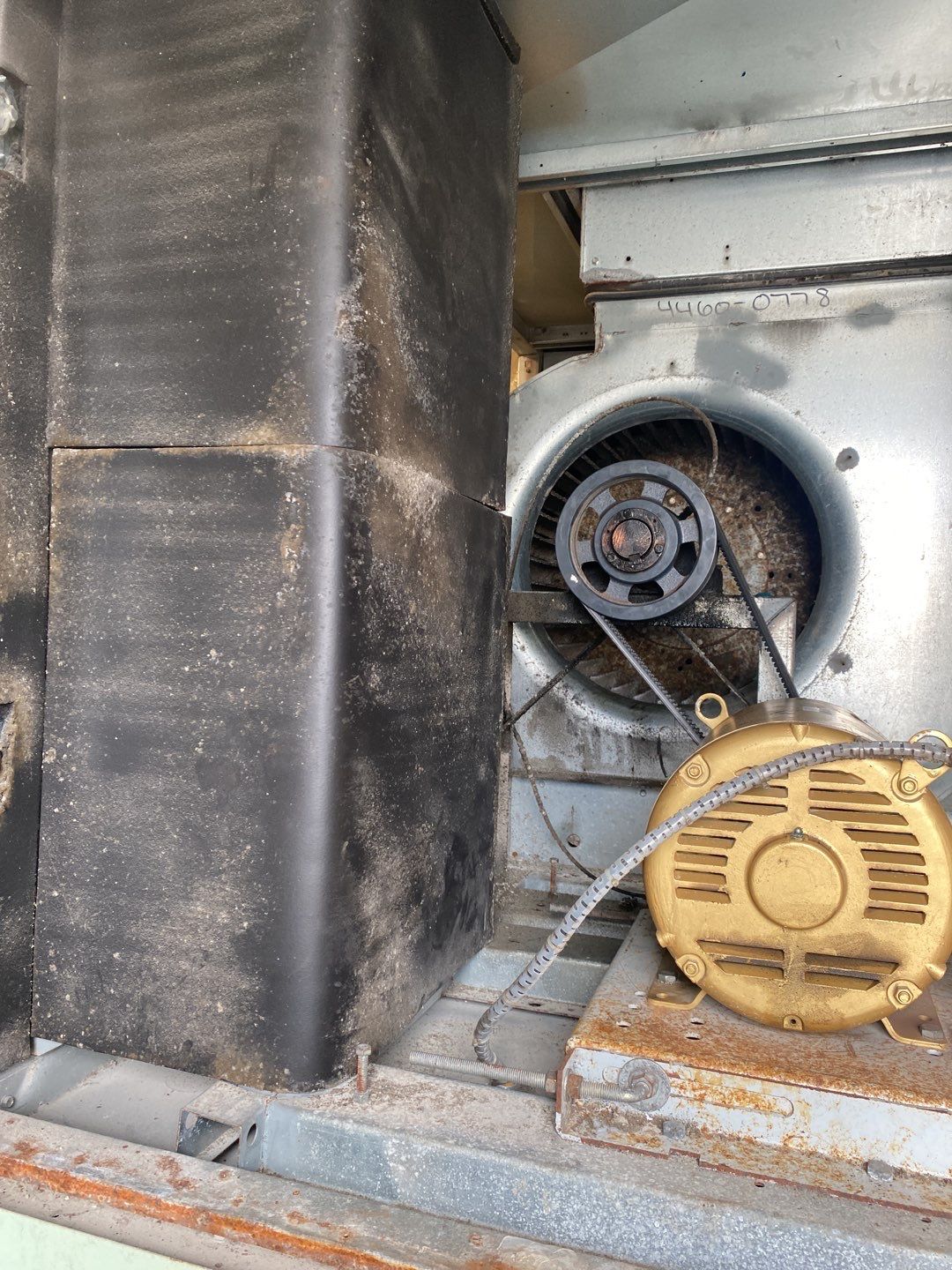
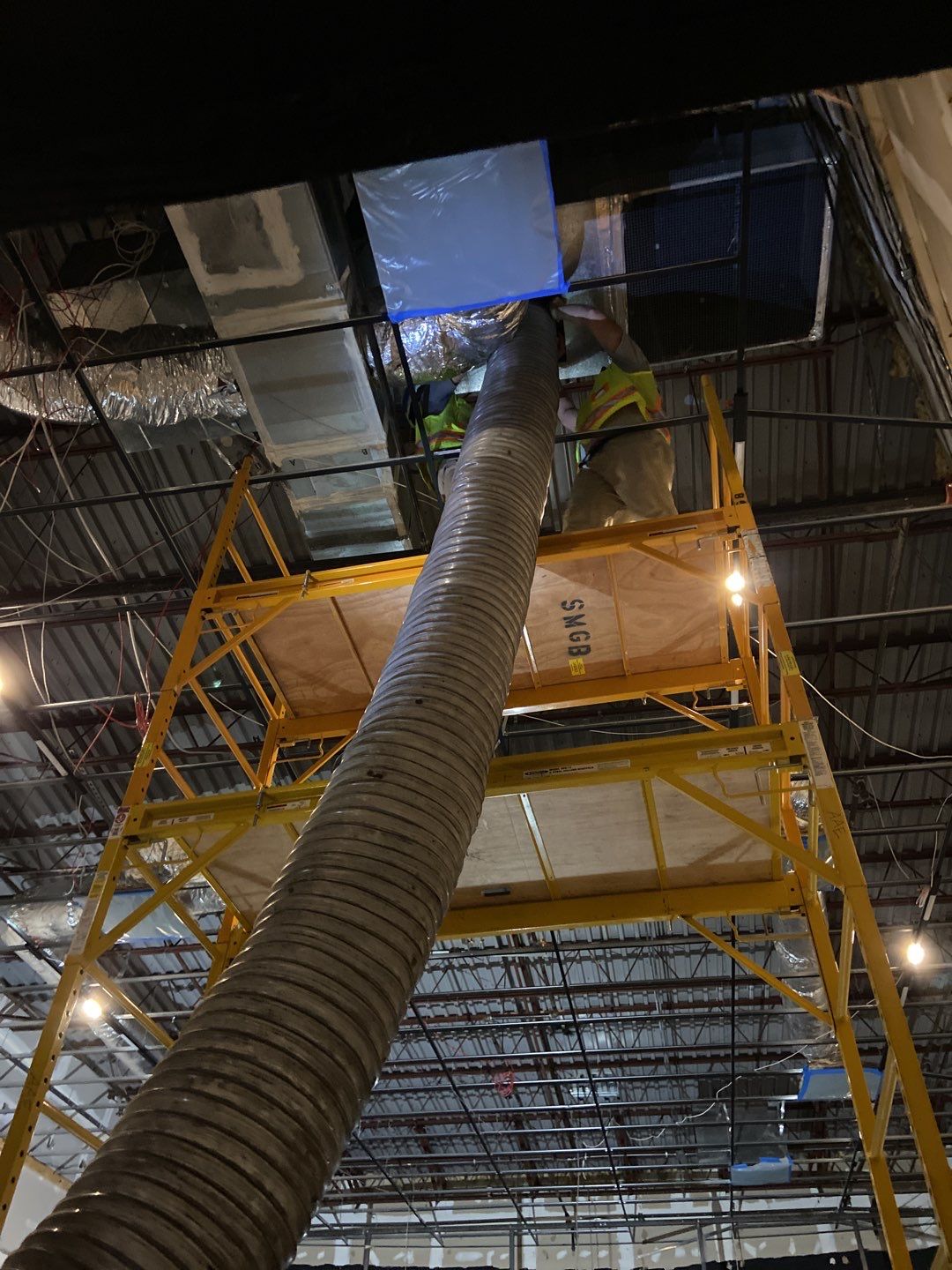
Inspect and map the system, photograph conditions and scope to your building and schedule.
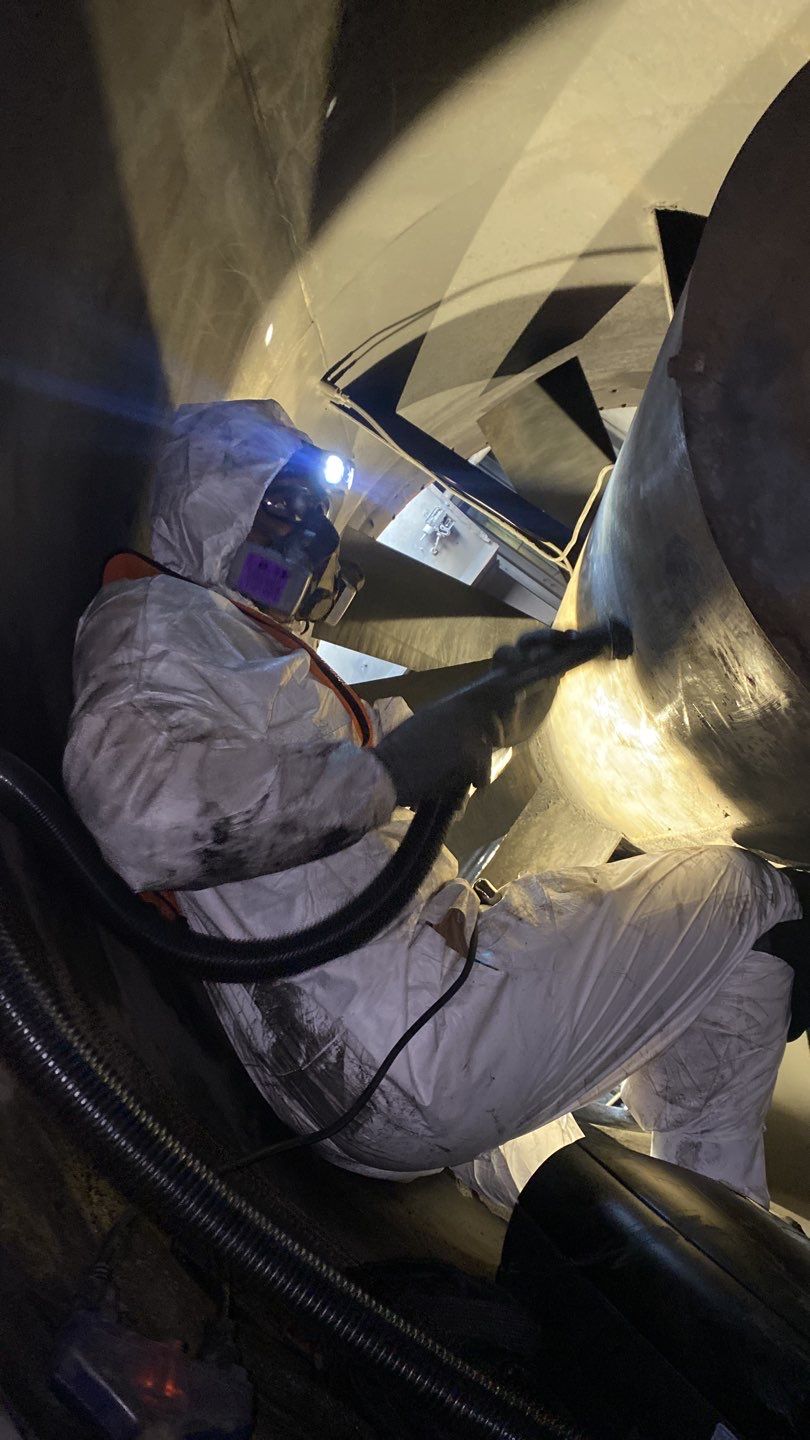
Seal work zones under negative pressure with HEPA filtration to protect finishes and occupants.
Source-remove debris from ducts, coils and air handlers to NADCA ACR criteria.
Matched-angle photos confirm cleanliness before spaces reopen.
Audit-ready closeout with a recommended re-inspection cadence.
Look for NADCA certification, real experience in assembly and historic buildings, command of containment and HEPA source removal, respect for finishes and instruments, honest scopes at a fair value, and clear documentation for your trustees and insurer. IAQ Restoration delivers all of it, treating your facility and your budget with the care they deserve.
No. We schedule during the week and off-hours, with each area isolated under negative pressure, so worship, events and programs continue uninterrupted.
Inspect at least annually and clean based on verified conditions — typically every 2–4 years for assembly spaces, and immediately after water intrusion, renovation or a mold discovery, per the NADCA ACR Standard.
Yes. Sealed containment and HEPA-filtered collection keep dust from migrating onto instruments, pews and finishes, and we work carefully within historic and delicate spaces.
Yes. We provide straightforward scopes and fair pricing focused on the work you actually need, with no unnecessary upsells.
We escalate to enhanced containment and EPA/NADCA-aligned remediation, remove and replace any wet internal duct insulation that can't be cleaned, and verify the area before it reopens.
Yes, where applicable we clean kitchen hoods, ducts and exhaust fans to remove flammable grease per NFPA 96, with documentation.
NADCA-certified crews, fair value, nationwide. Free assessment of your sanctuary and facilities.
Call 800-883-6040Request a Quote