
What every office and property manager should know about corporate office duct cleaning
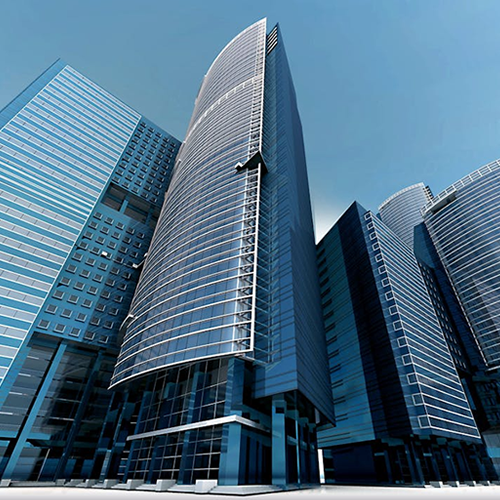
Corporate office duct cleaning improves indoor air quality and comfort, in line with EPA indoor air quality and NADCA standards. OSHA estimates about 30% of commercial buildings suffer below-standard indoor air quality — the classic sick building syndrome recipe.
Stale air, odors and dust drive complaints, headaches and absenteeism — costs that dwarf the price of cleaning.
NADCA ACR calls for inspection-based cleaning; most office buildings need 12–24 month cycles.
Air quality is a lease-renewal issue — Class A tenants expect documented healthy-building practices.
Containment, negative pressure and HEPA filtration capturing 99.97% of 0.3-micron particles.
Air quality is workplace productivity
Office workers spend up to 90% of their time indoors, and the EPA reports indoor air can be several times more polluted than the air outside. In an office tower, every breath passes through the building's air conveyance system first.
When ductwork, coils and air handlers carry years of dust, fibers and microbial growth, the symptoms show up at the desk level: afternoon headaches, allergy flare-ups, stale odors near returns, hot-and-cold complaints from starved VAV boxes, and the slow drumbeat of tenant tickets that property managers know too well. The term for it — sick building syndrome — was coined for exactly these buildings.
IAQ Restoration cleans corporate environments for some of the most demanding names in American business — our client wall includes Bank of America, IBM, Delta, Mercedes-Benz and Porsche. We work after hours, protect finishes and electronics, and hand property managers documentation their tenants and owners can see. The numbers make the case:
What clean air systems do for your building
Fewer complaints & sick days
Removing dust, allergens and microbial growth from the air path cuts headaches, allergy symptoms and hotline tickets.
Tenant retention & lease value
Documented air-quality maintenance is a renewal argument and a leasing differentiator in competitive markets.
Lower operating costs
Clean coils and open airflow let equipment hit setpoints with less runtime — visible on the building's energy bill.
Comfort consistency
Restoring design airflow to VAV boxes and diffusers evens out hot and cold zones across floors.
What builds up inside office building HVAC systems
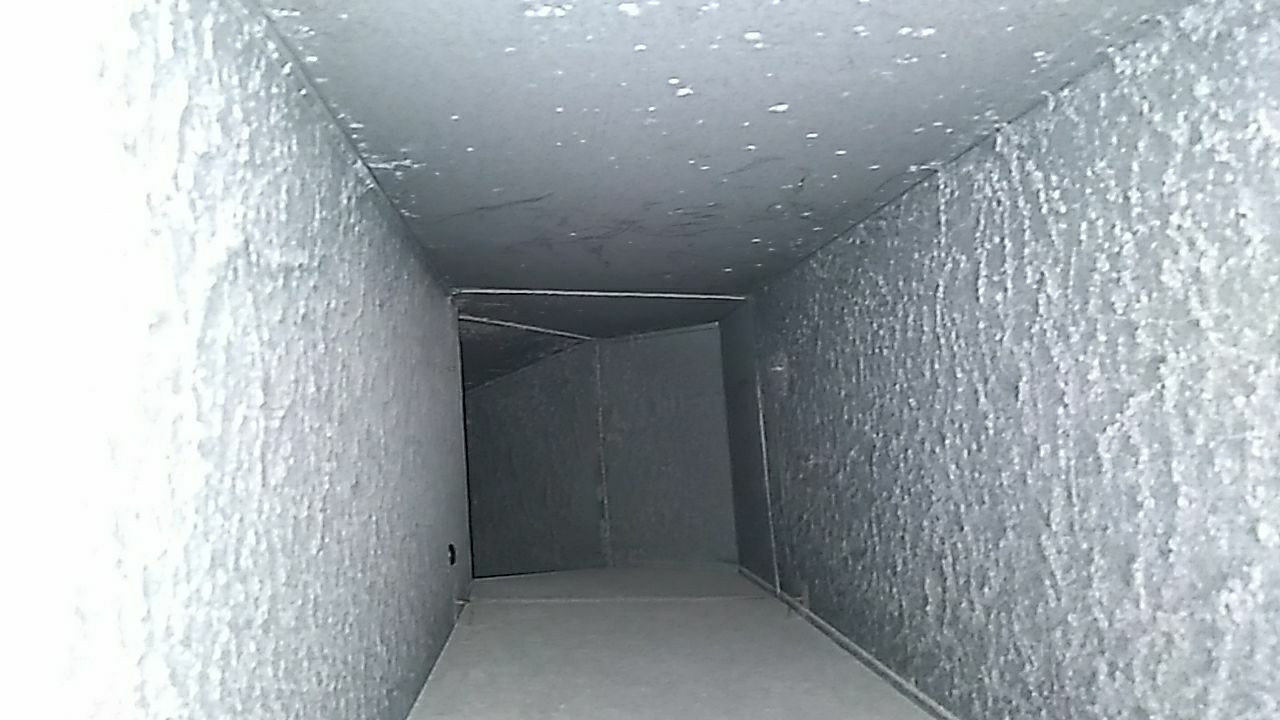
Office buildings generate a distinct contaminant mix: carpet and textile fibers, paper and toner dust, skin cells from dense occupancy, and outdoor particulate pulled in through economizers and entrances. It settles in ceiling return plenums, packs into VAV boxes and reheat coils, and coats hundreds of feet of supply duct above every suspended ceiling.
Tenant-improvement churn compounds the problem. Every build-out sends drywall and construction dust into the air path, and much of it stays there long after the new tenant moves in. Meanwhile weekend setback cycles let humidity linger in air handlers, quietly supporting microbial growth on coils and in drain pans — the source of that musty Monday-morning smell every property manager recognizes.
Buildings we service
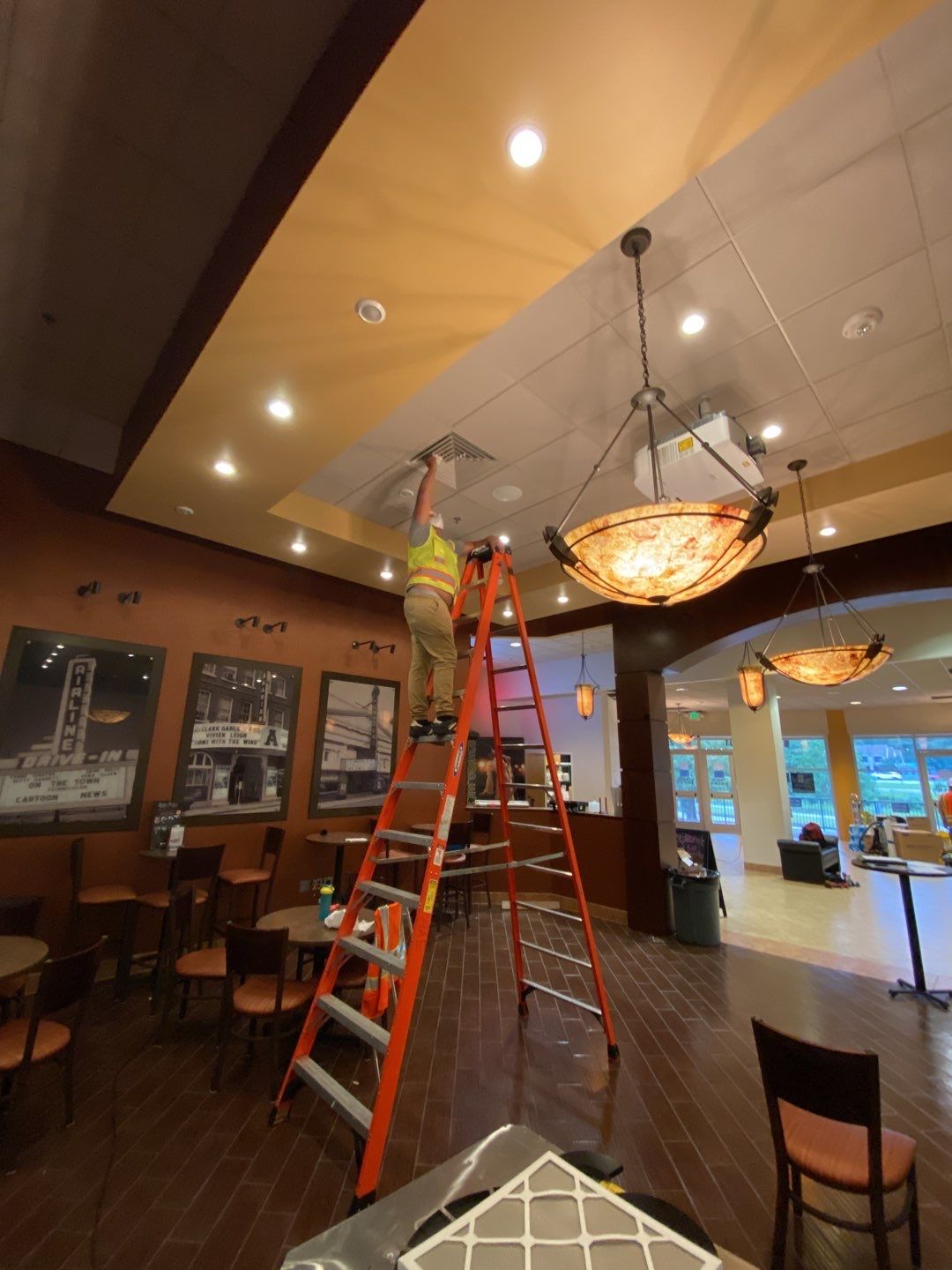
IAQ Restoration cleans air systems in corporate headquarters, law and professional offices, multi-tenant Class A and B towers, suburban office parks, call centers and mixed-use buildings. Multi-tenant work includes coordinated tenant notice, after-hours phasing by floor and suite, and daily turnover so business hours are never touched.
How often should office buildings clean their ductwork?
The NADCA ACR Standard calls for inspection-based cleaning: assess conditions, then clean where contamination exceeds benchmarks. For office properties we recommend annual inspections of air handlers and representative duct runs, with source-removal cleaning typically every 12–24 months — and immediately after tenant improvements, water events or persistent comfort and odor complaints. Every project closes with photo-verified documentation for owners, tenants and ESG reporting.
What's included
- Air handling units, rooftop units and mechanical floors
- Supply and return ductwork, ceiling plenums and diffusers
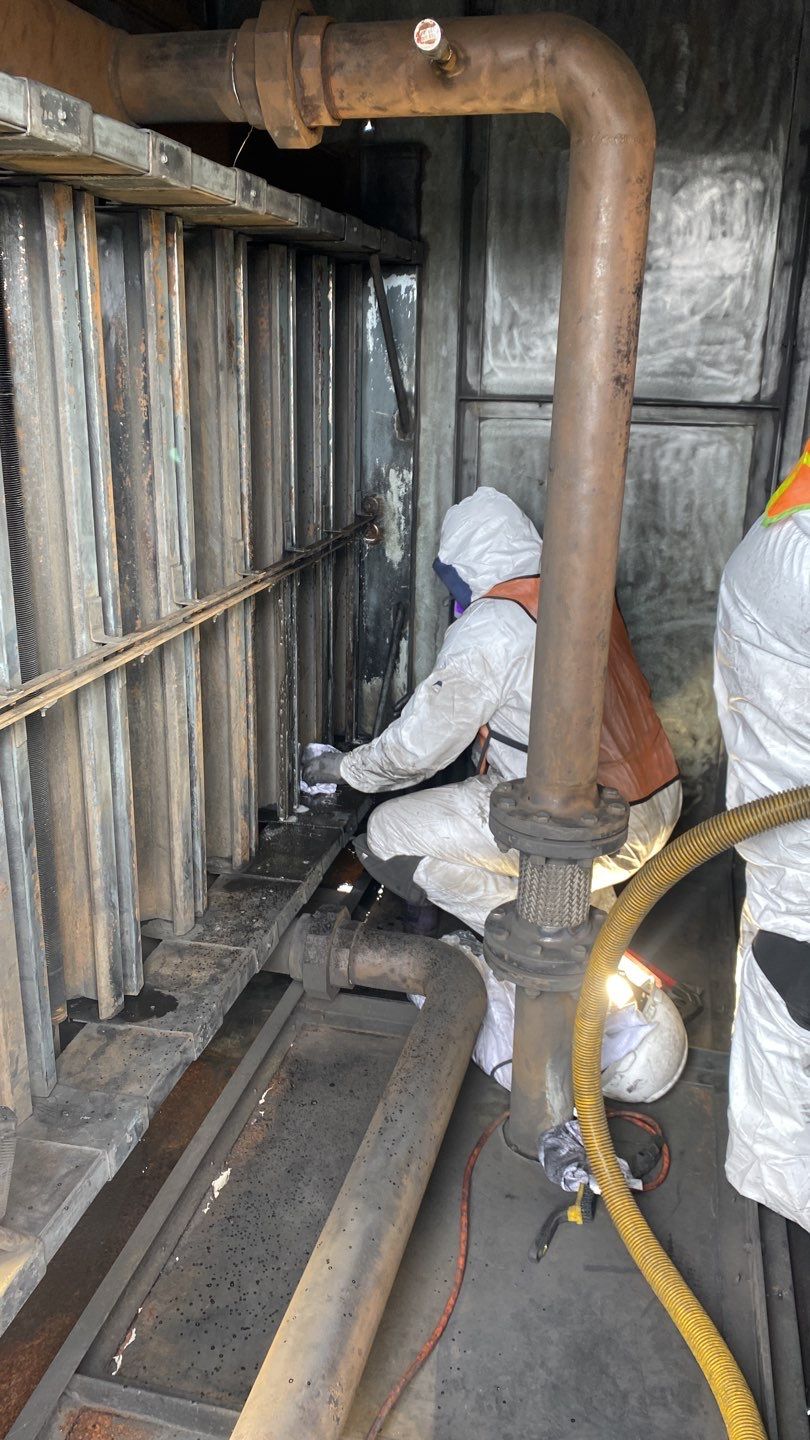
- VAV boxes, reheat coils, blowers and drain pans
- Restroom and general exhaust systems
- Optional UV-C germicidal installation and air purification
- Owner- and tenant-ready closeout documentation

Our crews inside real commercial buildings
Five steps, after hours, zero business disruption
Assess & Plan
System mapping, tenant notice coordination and floor-by-floor phasing.
Contain
Barriers and HEPA negative air protect workstations, finishes and IT.
Source Removal
Agitation and extraction through ducts, VAVs, coils and blowers.
Verify
Matched-angle before/after photos confirm cleanliness against ACR criteria.
Report
Owner-ready closeout — desks untouched, suites open on time.
Choosing a duct cleaning provider for your office property
Office buildings punish sloppy contractors: one scratched lobby floor or tripped alarm undoes a year of tenant goodwill. Require NADCA certification with corporate references, proof of after-hours execution in occupied multi-tenant buildings, containment practices that protect furniture, finishes and electronics, insurance that satisfies your ownership, and closeout documentation you can forward to tenants without editing. IAQ Restoration delivers that standard for corporate clients including Bank of America, IBM, Delta, Mercedes-Benz and Porsche.
Office duct cleaning questions, answered
Inspect annually and clean based on verified conditions. Most office properties schedule source-removal cleaning every 12–24 months, and immediately after tenant improvements, water events or persistent complaints — consistent with the NADCA ACR Standard.
No. Work runs nights and weekends, phased by floor and suite, with every area contained under HEPA negative air and returned spotless before employees arrive.
We coordinate tenant notices with property management, phase work suite by suite, badge and log every technician, and provide per-tenant completion documentation where needed.
It addresses a root cause. Source-removal cleaning eliminates the dust, microbial growth and odor reservoirs in the air path; combined with filtration upgrades and UV-C, it is the engineering fix behind most successful SBS remediations.
Yes. VAV boxes, reheat coils and open ceiling plenums are included in scope — they are among the heaviest dust reservoirs in office construction.
Pricing depends on system count, square footage, access and contamination level. We quote from a site walk or mechanical plans — free — and structure multi-building portfolios under one program price.
A written scope, certificate of insurance, and matched-angle before/after photo verification — ready for owners, tenants, and ESG or wellness-certification files.
Get a building assessment for your office property
NADCA-certified crews trusted by Fortune 500 tenants. After-hours execution, nationwide.
Call 800-883-6040 Request a Quote Online