
What every base facility manager should know about military base duct cleaning
Military base duct cleaning keeps base facilities mission-ready and compliant, in line with EPA indoor air quality and NADCA standards. Barracks, hangars, DFACs and clinics all depend on HVAC that performs — air quality is a readiness issue.
Crews experienced with base access protocols, visitor passes, escorts and controlled areas — US Army, Navy, Air Force and VA.
NADCA ACR calls for inspection-based cleaning; high-use base facilities typically need 12–24 month cycles.
Flightline dust, vehicle exhaust and 24/7 operations load base HVAC systems faster than civilian buildings.
Containment, negative pressure and HEPA filtration capturing 99.97% of 0.3-micron particles.
Air quality is mission readiness
Military installations are small cities that never sleep — housing, dining, medical, maintenance, administration and training facilities running around the clock, many of them in buildings that have served for decades.
Base environments punish HVAC systems. Flightline operations and vehicle traffic generate constant particulate; humid climates push moisture into barracks and dormitory ductwork where mold takes hold; maintenance bays and hangars add fuel vapors, exhaust and metal dust to the air stream. When service members live, eat, train and recover in these buildings 24/7, contaminated air conveyance systems translate directly into respiratory complaints, sick call visits and degraded quality of life — problems base leadership answers for.
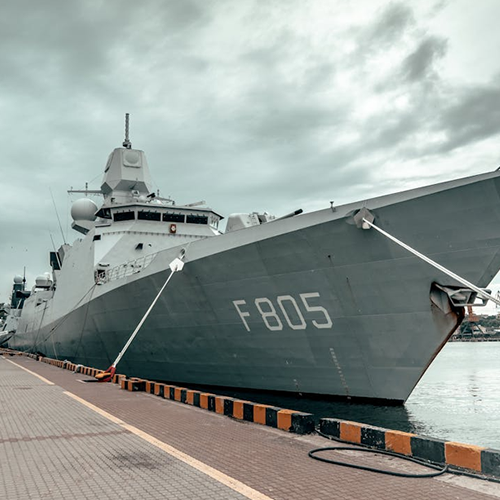
IAQ Restoration has performed air duct and HVAC cleaning for the US Army, Navy, Air Force and VA facilities. Our crews understand installation access procedures, work with escorts in controlled areas, and deliver the documented, standards-based results that government contracting officers expect. The numbers make the case:
What clean air systems do for your installation
Troop health & readiness
Cleaner air in barracks, DFACs and training facilities means fewer respiratory complaints, fewer sick call visits and better quality of life on base.
Infrastructure stewardship
Restored airflow and clean coils cut energy waste and extend the life of aging mechanical systems — measurable value for facility budgets.
Contract-ready documentation
Written scopes, verification photos and closeout reports formatted for CORs, facility managers and government records.
Zero operational disruption
Phased zone work scheduled around operations, training calendars and mission requirements — every area handed back ready for use.
What builds up inside military base HVAC systems
Installations concentrate every contamination source a facility manager can face. Flightline and range operations generate fine dust that infiltrates every building downwind. Motor pools and maintenance bays feed vehicle exhaust and fuel vapors into ventilation intakes. Barracks and dormitories — often older construction in humid regions — trap moisture in duct runs where mold and mildew colonize insulation and coil sections. Dining facilities load exhaust systems with grease and combustion byproducts that create both air-quality and fire concerns.
Layer on 24/7 occupancy and decades of deferred maintenance across thousands of buildings, and base HVAC systems carry contaminant loads far beyond what civilian office buildings ever see. The result shows up as musty barracks, uneven temperatures, rising energy consumption and air-quality complaints that work their way up the chain of command.
Facility types we service on base
IAQ Restoration crews clean air conveyance systems in barracks and unaccompanied housing, aircraft hangars and maintenance facilities, dining facilities, medical and dental clinics, administrative and headquarters buildings, fitness centers, child development centers and warehouses. Each facility type gets a scope matched to its use — grease-adjacent exhaust in DFACs, high-bay access planning in hangars, hypoallergenic products in housing and clinics.
How often should base facilities clean their ductwork?
The NADCA ACR Standard calls for inspection-based cleaning: assess conditions first, then clean where contamination exceeds benchmarks. For installations we recommend annual inspections of air handling units and representative duct sections, with source-removal cleaning typically every 12–24 months for high-occupancy facilities — and immediately after construction, water intrusion, or persistent complaints in any building. Every project closes with documentation that supports facility records and contract requirements.
What's included
- Air handling units, rooftop units and mechanical rooms
- Supply, return and exhaust ductwork — barracks to hangars
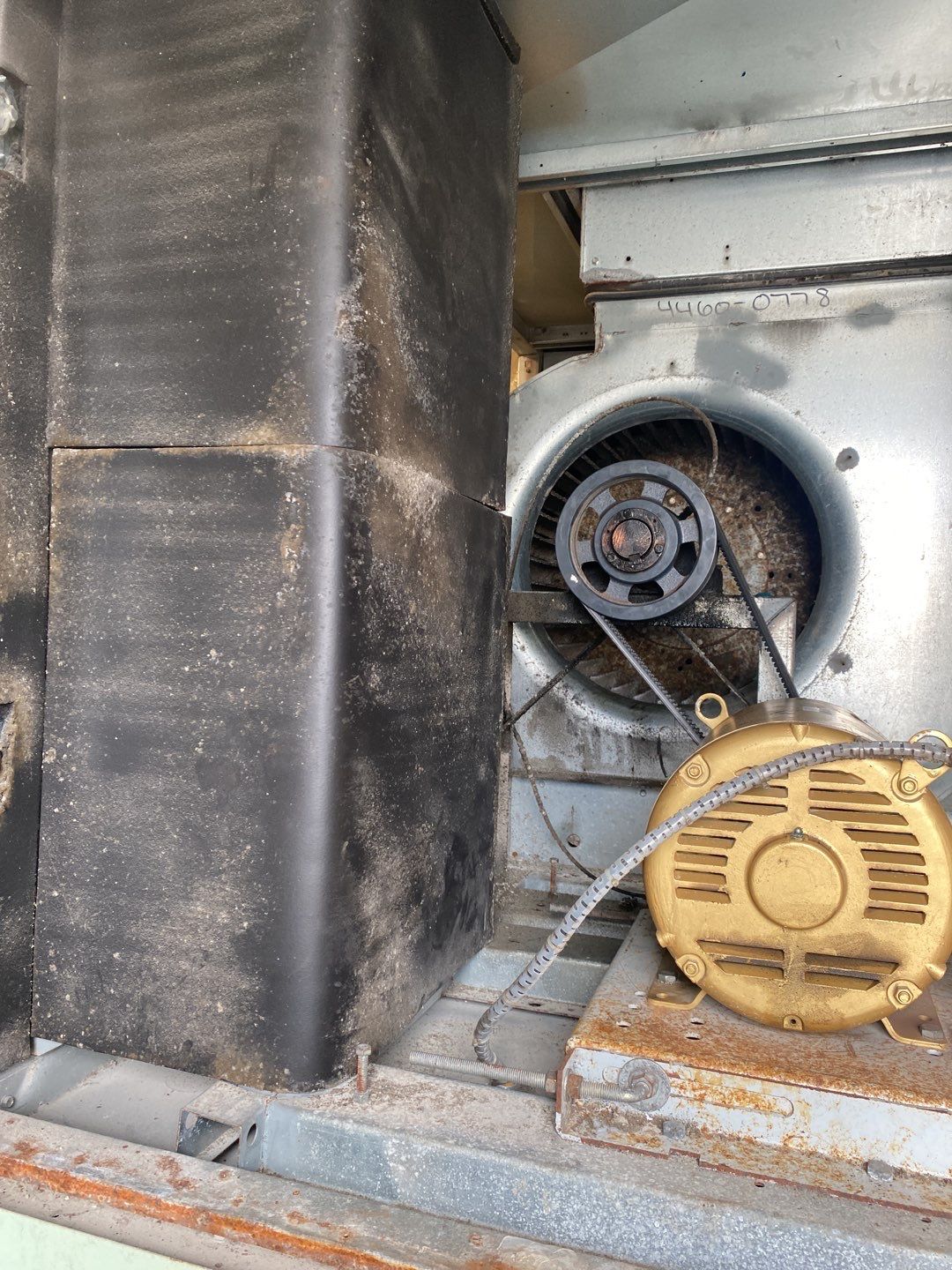
- Coils, blowers, plenums and drain pan decontamination
- Mold remediation in moisture-affected duct systems
- Optional UV-C germicidal installation and air purification
- COR-ready closeout: scope, safety plan and photo verification
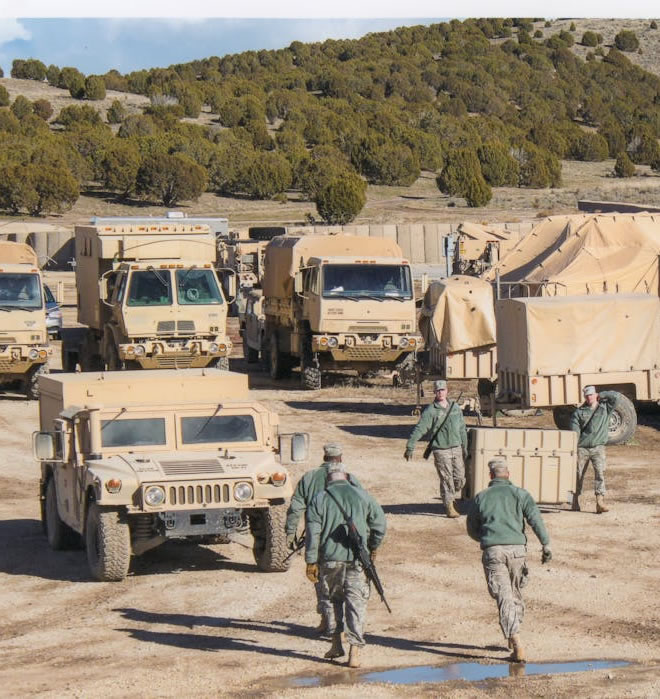
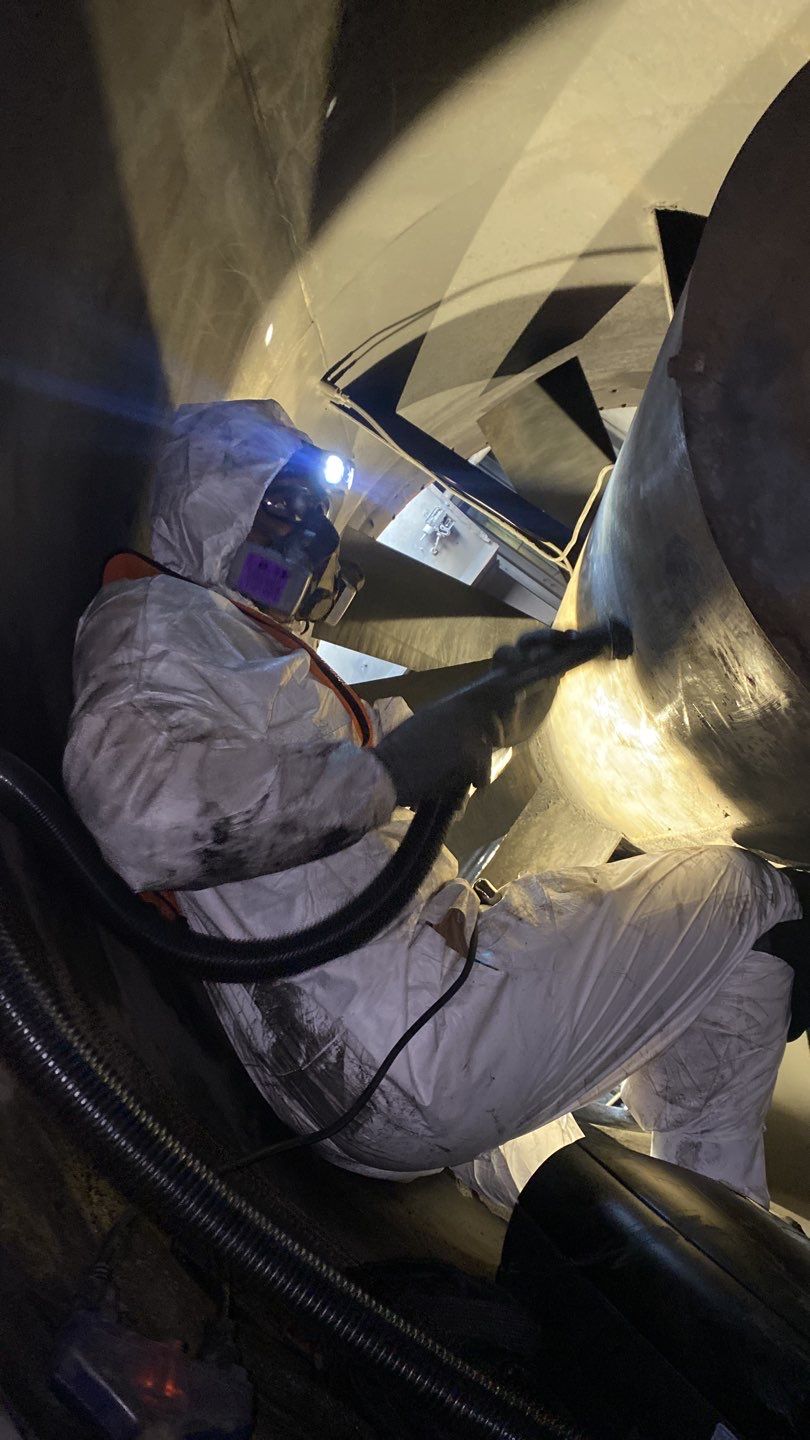
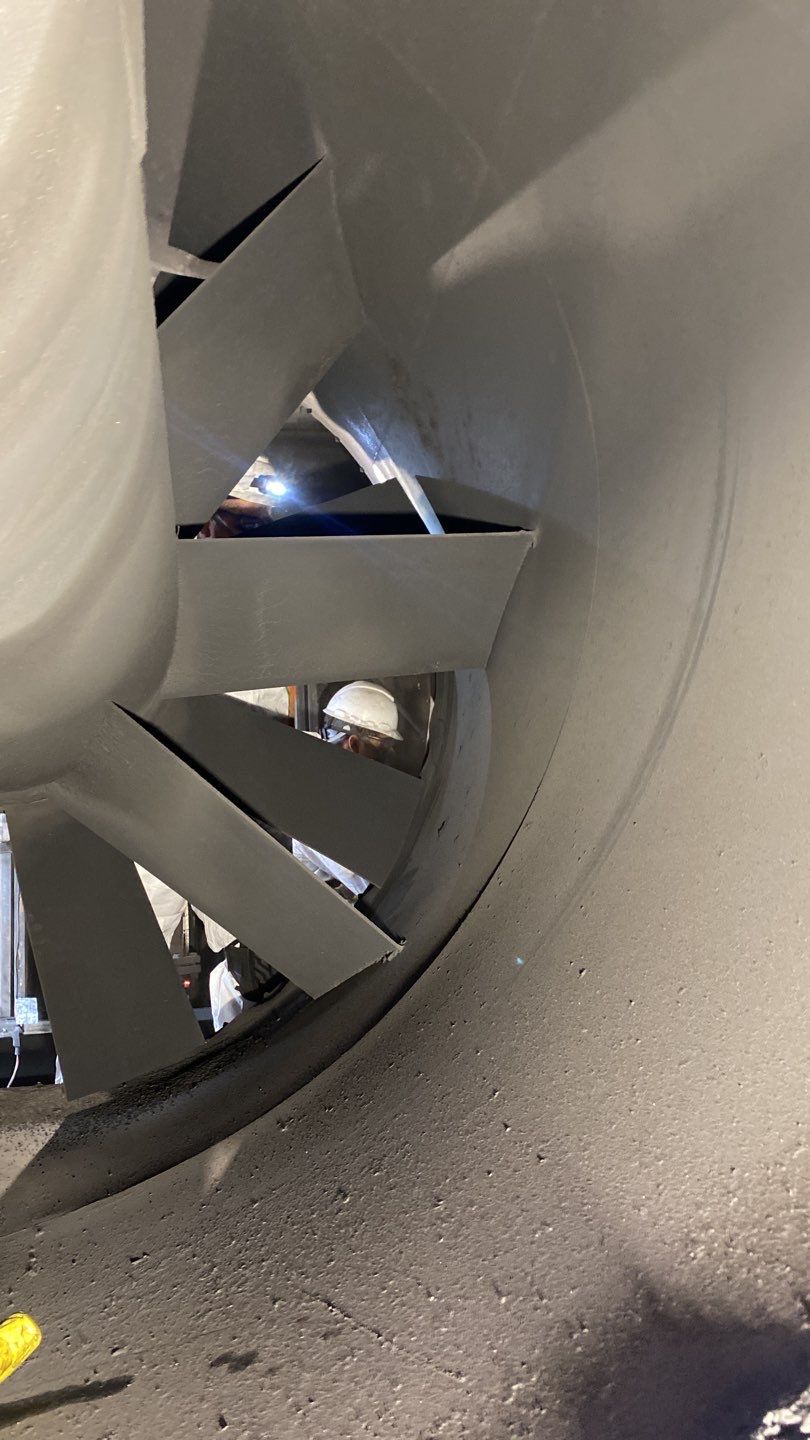
Our crews on real installations
Five steps, built for installations
Assess & Plan
System mapping, access coordination and scheduling around operations.
Contain
Barriers and HEPA negative air isolate each work zone completely.
Source Removal
Agitation and extraction through ducts, coils, blowers and plenums.
Verify
Matched-angle before/after photos confirm cleanliness against ACR criteria.
Report
COR-ready closeout and a recommended re-inspection cadence.
Choosing a duct cleaning provider for a military installation
Base work has requirements most contractors have never faced. Insist on NADCA certification with verifiable DoD and VA references, crews that clear background checks and follow installation access and escort procedures without hand-holding, scheduling discipline that respects training calendars and mission operations, and closeout documentation a contracting officer's representative can file without rework. IAQ Restoration has met that standard for the US Army, Navy, Air Force and VA — and mobilizes to installations nationwide.
Military base duct cleaning questions, answered
Inspect annually and clean based on verified conditions. Most high-occupancy base facilities schedule source-removal cleaning every 12–24 months, and immediately after construction, water intrusion or persistent air-quality complaints — consistent with the NADCA ACR Standard.
Yes. Our technicians routinely work on military installations — passing background checks, obtaining visitor passes and working with escorts in controlled areas per each installation's security procedures. We have served US Army, Navy, Air Force and VA facilities.
Yes. We perform source-removal duct cleaning with mold remediation for moisture-affected systems, using containment and HEPA negative air, and verify results with post-remediation documentation.
Yes. High-bay access planning with lifts and fall protection is standard for our crews, and scopes account for fuel vapors, exhaust residue and metal dust common in maintenance environments.
No. Projects are phased by building and zone, scheduled around operations and training calendars, and every area is returned clean and operational on the agreed timeline.
Yes. IAQ Restoration runs standardized multi-site programs — consistent scope, pricing and reporting across every building or installation in the program.
A written scope of work, site safety plan, product SDS and matched-angle before/after photo verification — organized for contract files and government records.
Get a facility assessment for your installation
NADCA-certified, access-compliant crews. Army, Navy, Air Force and VA experience. Nationwide.
Call 800-883-6040 Request a Quote Online