
What every school facility director should know about school duct cleaning
School duct cleaning keeps classrooms healthy and compliant, in line with EPA indoor air quality for schools and NADCA standards. EPA research links classroom air quality directly to student health, focus, attendance and test performance.
Roughly 1 in 12 children has asthma — and classrooms pack 25–30 sets of young lungs into one room.
Summer and winter breaks are purpose-built windows for duct cleaning with zero classroom disruption.
The average U.S. school building is decades old, running HVAC that has outlived several renovation cycles.
Containment, negative pressure and HEPA filtration capturing 99.97% of 0.3-micron particles.
Air quality is student performance
Indoor air quality directly affects the health, focus and performance of students and staff — and asthma remains one of the leading causes of school absenteeism in the United States.
Classrooms are among the densest occupied spaces in any building type: 25 to 30 students per room, shedding textile fibers, tracking in outdoor particulate, and breathing recirculated air hour after hour. Add chalk and paper dust, art and science room aerosols, gym and locker room humidity, and cafeteria exhaust, and school ventilation systems carry loads that grow all year. Over summer shutdowns, humid air sitting in idle ductwork gives mold its best opportunity to colonize coils and liner.
IAQ Restoration cleans air systems for K-12 districts and universities nationwide — our education clients include Georgia Tech and Georgia State. We schedule around the academic calendar, staff with background-checked crews, and document everything for facility boards and parents. The numbers make the case:
What clean air systems do for your campus
Healthier classrooms
Removing dust, allergens and microbial growth from ducts cuts asthma and allergy triggers for students and staff alike.
Focus & attendance
Better ventilation performance correlates with improved concentration, fewer sick days and stronger academic outcomes.
Budget stewardship
Clean coils and open airflow reduce energy waste and extend the life of equipment districts can't easily replace.
Zero-disruption scheduling
Summer break, winter break, weekends — the work happens when classrooms are empty and is done before students return.
What builds up inside school HVAC systems
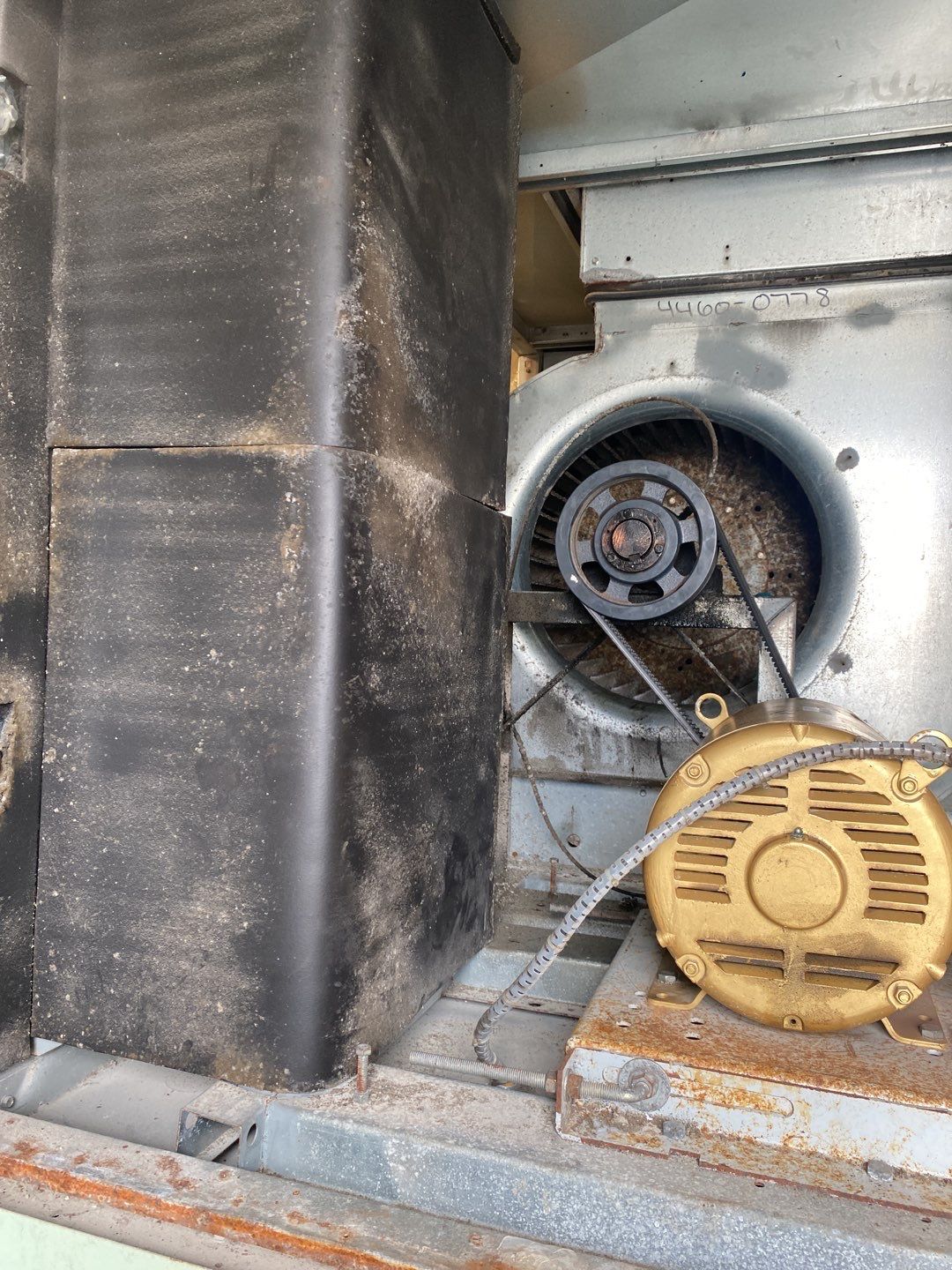
School ventilation systems fight a unique battle. High occupant density sheds skin cells, clothing fibers and tracked-in particulate all day; classroom activities add chalk, paper and art-supply dust; science labs, gyms, locker rooms and cafeterias each contribute their own aerosols, humidity and grease-laden air. Unit ventilators under classroom windows — workhorses in thousands of school buildings — collect years of debris in cabinets that rarely get opened.
The academic calendar makes it worse. During long summer shutdowns, humid air sits stagnant in idle ductwork and air handlers, giving mold and mildew their best growing season exactly when nobody is watching. When systems restart in August, whatever grew all summer gets distributed to every classroom on the first day of school.
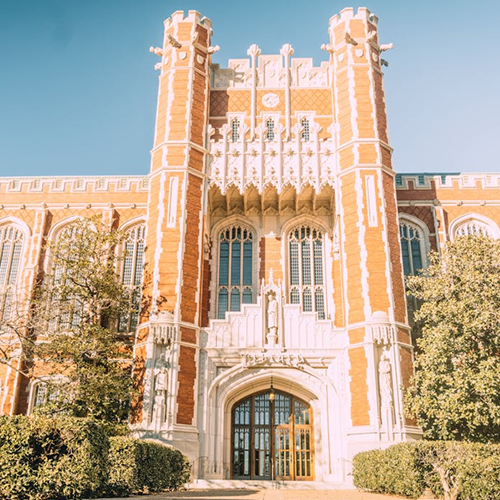
K-12 districts and universities alike
We service the full education portfolio: K-12 classrooms and portable buildings, university lecture halls, dormitories and residence halls, laboratories, libraries, athletic facilities and dining halls. Each space gets a scope matched to its use — hypoallergenic products in classrooms, grease-rated exhaust work in dining facilities, and careful coordination in research spaces.
How often should schools clean their ductwork?
The NADCA ACR Standard calls for inspection-based cleaning: assess conditions first, clean where contamination exceeds benchmarks. For schools we recommend annual inspections timed to spring, so source-removal cleaning can be scheduled into the summer break — and immediately after renovations, water intrusion or persistent air-quality complaints in any wing. Every project closes with photo-verified documentation your board, staff and parents can trust.
What's included
- Air handling units, rooftop units and mechanical rooms
- Supply, return and exhaust ductwork across every wing
- Classroom unit ventilators, coils, blowers and drain pans
- Cafeteria and gym ventilation, moisture-affected sections
- Optional UV-C germicidal installation and air purification
- District-ready closeout: scope, photos and verification records
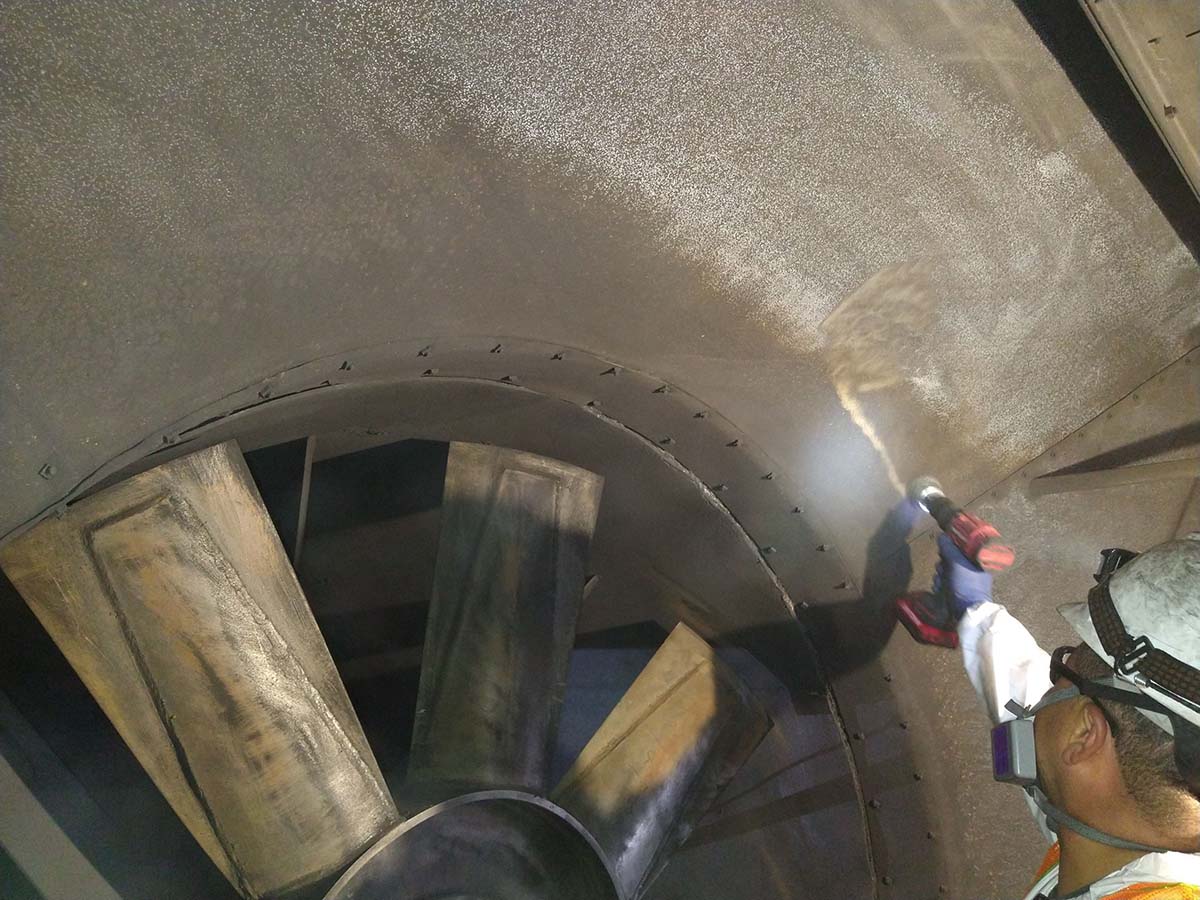
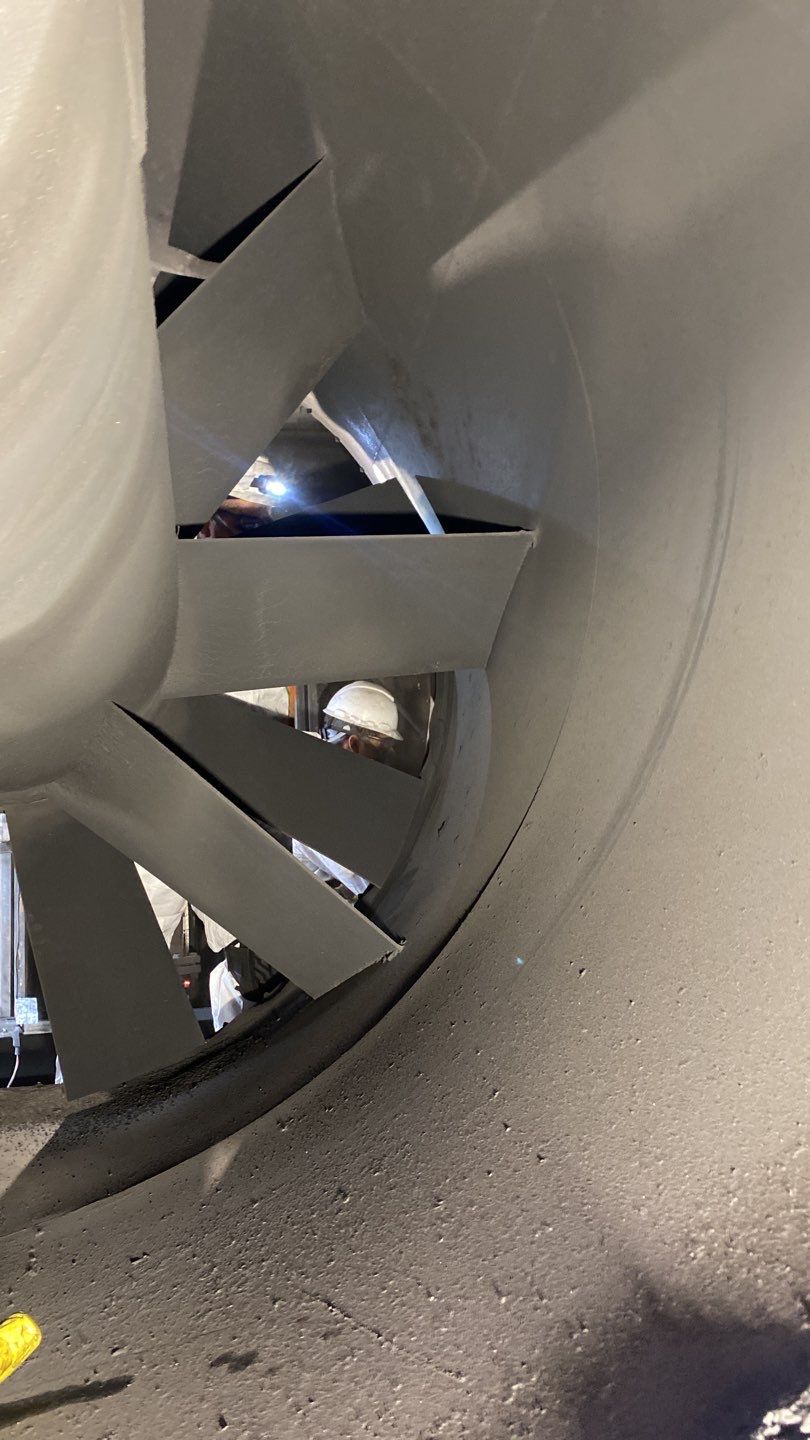
Our crews at work
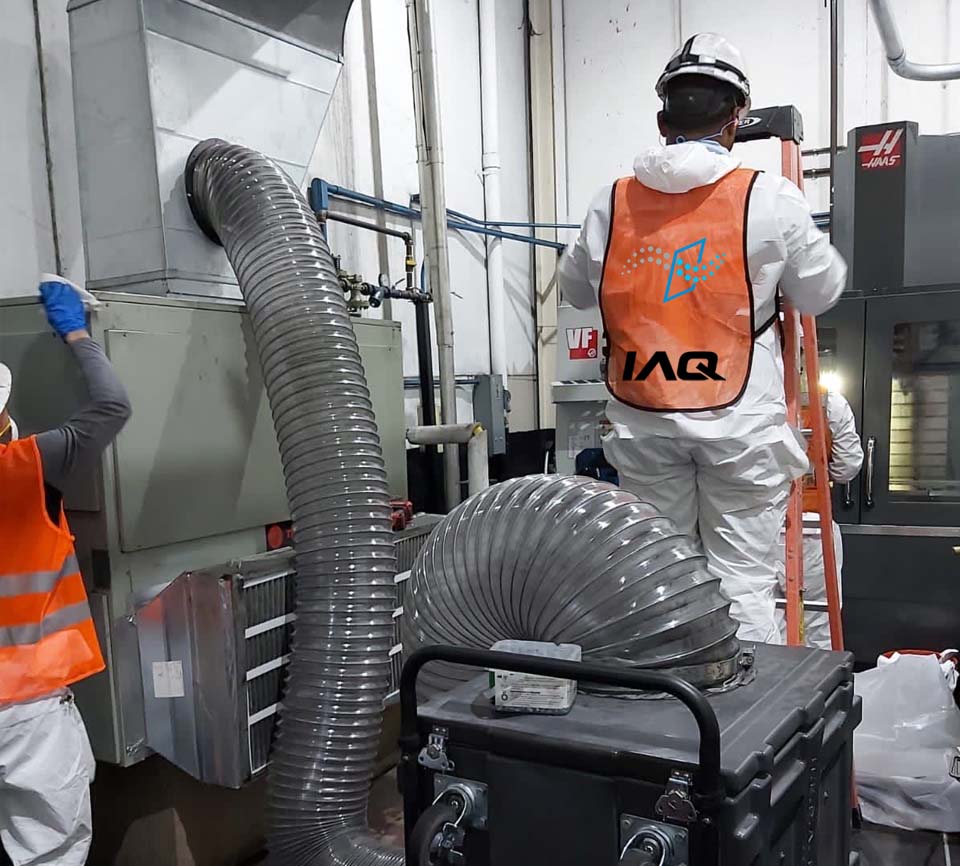
Five steps, timed to the academic calendar
Assess & Plan
Spring inspection and a work plan built around break windows.
Contain
Barriers and HEPA negative air isolate each wing completely.
Source Removal
Agitation and extraction through ducts, univents, coils and blowers.
Verify
Matched-angle before/after photos confirm cleanliness against ACR criteria.
Report
Board-ready closeout before the first bell of the new term.
Choosing a duct cleaning provider for your school or campus
Districts and universities should demand more than a low bid: NADCA certification with education references, background-checked technicians comfortable working around youth-safety policies, scheduling discipline that treats the first day of school as immovable, containment that protects classrooms and equipment, and closeout documentation that stands up in a board meeting or a parent inquiry. IAQ Restoration delivers all five — for K-12 districts and universities including Georgia Tech and Georgia State.
School duct cleaning questions, answered
Inspect annually — ideally each spring — and clean based on verified conditions. Most schools schedule source-removal cleaning every 12–24 months during summer break, and immediately after renovations, water intrusion or persistent complaints, consistent with the NADCA ACR Standard.
Yes. While breaks are ideal, we routinely work nights, weekends and holiday closures during the academic year, with each wing contained under HEPA negative air and returned clean before students arrive.
Yes. Crews working in schools pass background checks and follow district youth-safety and visitor policies, including badging and escort requirements where required.
It helps reduce triggers. Source-removal cleaning eliminates settled dust, allergens and microbial growth from the air path, cutting the particulate load recirculated into classrooms — a meaningful part of an asthma-friendly schools strategy.
Yes. Univents are included in scope: cabinets, coils, blowers and dampers are cleaned and decontaminated, which is where decades of classroom debris typically accumulate.
Yes — lecture halls, dormitories, labs, libraries, athletic and dining facilities. Our university clients include Georgia Tech and Georgia State, and we mobilize to campuses nationwide.
A written scope, safety plan and matched-angle before/after photo verification — organized for facility records, board presentations and parent communications.
Get a campus assessment before the next break
NADCA-certified, background-checked crews. K-12 and university experience, nationwide.
Call 800-883-6040 Request a Quote Online