
Request A Quote For Your MEdical Center
Hospital Duct Cleaning: Essential Guide for Healthcare Facilities
HOSPITALS & HEALTHCARE
Hospital and Medical Centers Duct and HVAC Cleaning supports infection-prevention efforts by removing dust, organic debris, and moisture sources that can harbor microbes inside HVAC components and ducts. While duct cleaning alone doesn’t eliminate HAIs, it helps facility teams uphold air-quality and ventilation standards that protect patients and staff.
Key Takeaways
- Hospital and Medical Centers Duct and HVAC Cleaning supports infection-prevention efforts by removing dust, organic debris, and moisture sources that can harbor microbes inside HVAC components and ducts. While duct cleaning alone doesn’t eliminate HAIs, it helps facility teams uphold air-quality and ventilation standards that protect patients and staff.
- Hospitals and medical centers operate continuously, so proactive HVAC inspection and cleaning programs reduce risk from airborne contaminants and help maintain safe environments for vulnerable patients.
- Healthcare facilities should inspect HVAC systems at least annually and clean based on verified conditions, usage, and risk; many facilities target 12–24-month intervals for high-risk areas. This aligns with NADCA’s ACR Standard emphasis on inspection-based cleaning and NIH guidance noting annual inspections in healthcare settings.
- Clean, well-maintained ductwork and air-handling components support stable temperature and humidity critical to patient comfort and the proper function of medical spaces and equipment, complementing ASHRAE Standard 170 ventilation requirements.
- NADCA-certified technicians use containment, negative pressure, HEPA-filtered collection, and hospital-appropriate disinfectants to clean thoroughly while preventing contaminant spread. HEPA filtration captures ≥99.97% of 0.3-micron particles.
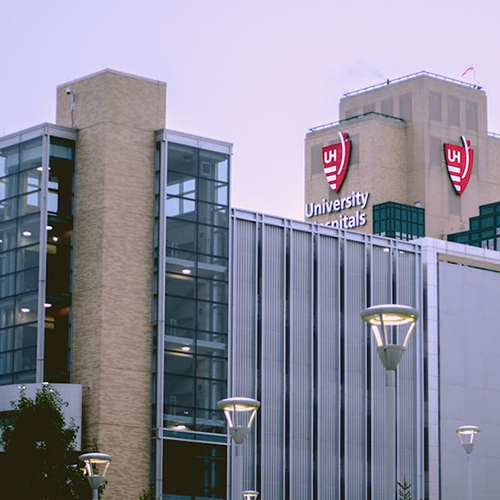
What is Hospital Duct Cleaning and Why It’s Critical
Healthcare facilities face unique air-quality challenges tied to patient acuity, 24/7 occupancy, and specialized spaces. Hospital and Medical Centers Duct and HVAC Cleaning is a specialized maintenance program tailored to healthcare risk profiles. It involves assessing and removing dust, debris, and moisture-supporting residues from air handlers, coils, and duct interiors while maintaining strict infection-control practices during the work.
Unlike general commercial work, healthcare cleaning follows stringent protocols to minimize contamination risk during and after service. The goal is to support a ventilation system that meets healthcare standards (e.g., ASHRAE 170) for high-risk spaces such as operating rooms, ICUs, and isolation rooms.
The need becomes clear when looking at national HAI burden data: CDC’s most recent prevalence survey estimated about 687,000 HAIs in U.S. acute-care hospitals in 2015, with roughly 1 in 31 patients having at least one HAI on a given day—down from 2011 but still significant. Proper ventilation, filtration, and clean HVAC components support broader infection-prevention bundles.
Regulatory and consensus organizations—including the Joint Commission (accreditation), CDC (infection control guidance), and ASHRAE (ventilation standards)—expect hospitals to maintain environments that control airborne risks, especially in critical areas. Duct and HVAC cleanliness is one piece of that larger compliance picture.
Health and Safety Benefits of Hospital Duct Cleaning
Clean ducts and HVAC components help reduce reservoirs of dust and moisture that can support microbial growth, decreasing the chance of distributing particulates or biological fragments through occupied spaces. This supports patients with respiratory vulnerabilities (asthma, COPD) and complements facility-wide ventilation and filtration strategies (e.g., appropriate filter MERV ratings, HEPA where required).
The COVID-19 era reaffirmed the importance of ventilation, air changes, and effective filtration in reducing airborne transmission in healthcare. While duct cleaning alone isn’t a standalone infection-control measure, it helps ensure systems operate as designed so other engineering controls perform optimally.
Immunocompromised patients—transplant, oncology, post-surgical—benefit from environments where dust and moisture are minimized, since even low-level exposures can pose outsized risks. Cleanliness inside the HVAC system helps sustain that environment.
Infection Control and Patient Safety
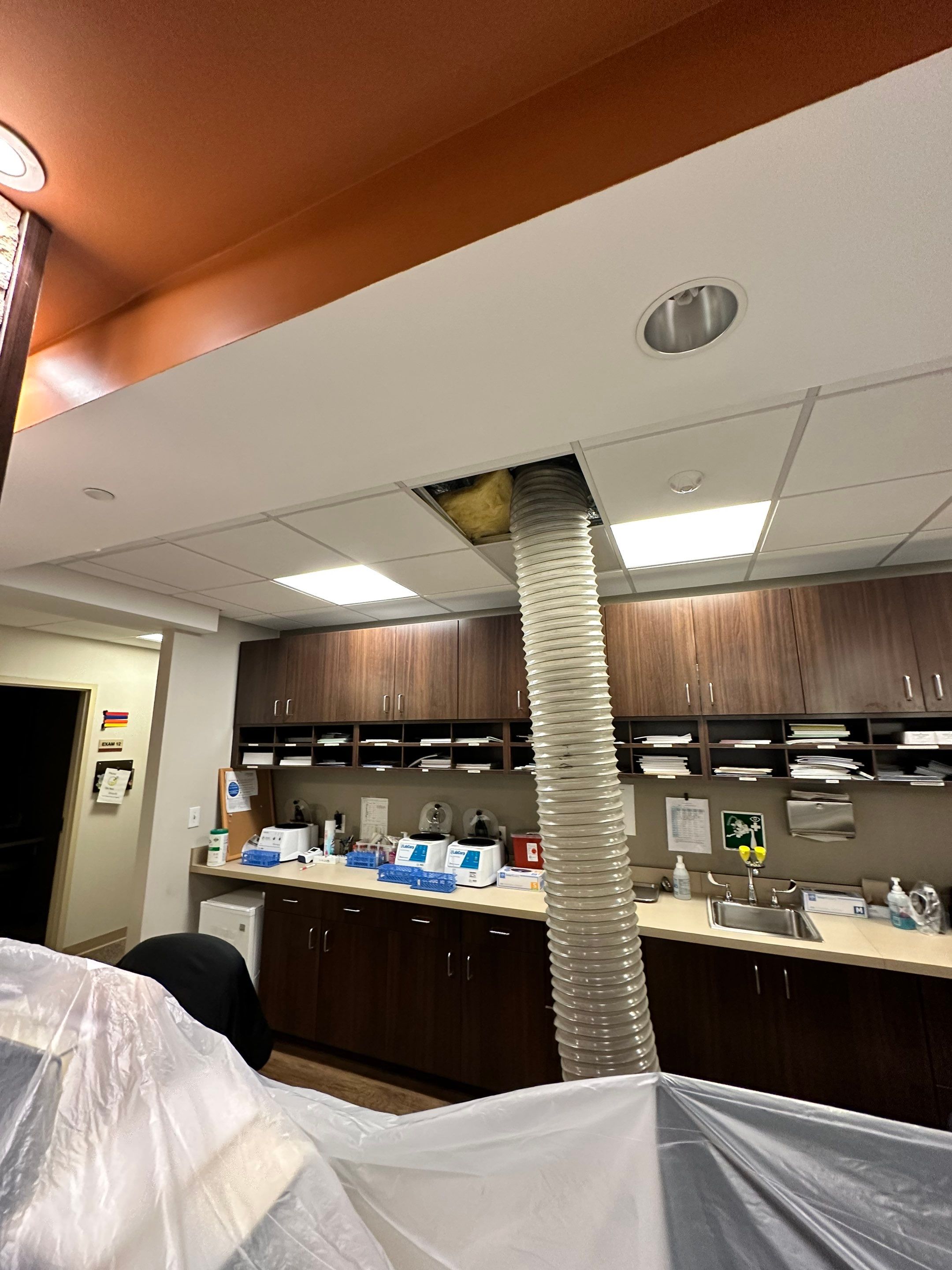
Unclean HVAC interiors can trap dust and retain moisture, allowing biofilms or mold to develop. If dislodged, particles can move downstream. Thorough source-removal cleaning performed under negative pressure with HEPA capture, followed by appropriate antimicrobial use where indicated, supports infection-prevention programs. Hospitals should prioritize high-risk zones (ORs, ICUs, airborne-isolation) and schedule work to avoid procedure conflicts. Documentation from each project supports accreditation readiness.
Common Contaminants in Hospital HVAC Systems
Hospitals and medical centers accumulate dust from constant foot traffic, textiles, and building activities; humidity fluctuations can encourage mold in poorly drained or insulated sections. Inadequate housekeeping around air handlers (e.g., wet pads, dirty coils) can add to load. During renovations, drywall/construction dust can overwhelm filters if not controlled.
Bacterial risks (e.g., Legionella) are primarily associated with water systems and cooling towers rather than supply duct interiors; however, moisture-prone HVAC components can still support microbial growth if neglected. Chemical residues from cleaning processes may also accumulate on surfaces. Dryer exhaust systems in healthcare (laundries) require separate maintenance to mitigate lint fires and maintain throughput.
Operational and Financial Benefits
A clean system moves air with less resistance and keeps heat-exchange surfaces efficient, which can improve performance and reduce wear. Quantified energy savings vary by site conditions; cleaning and coil maintenance can contribute to efficiency, but outcomes depend on baseline fouling and system design (avoid blanket claims). The more reliable your system, the fewer emergency calls and the longer core assets last—critical in mission-driven environments. (EPA notes that general duct cleaning isn’t a guaranteed health fix in homes; in hospitals, the rationale is risk-management and performance, guided by inspection evidence.)
Cleaner air also helps protect sensitive equipment (diagnostic imaging, lab analyzers) from dust infiltration, supporting uptime and accuracy.
Temperature and Humidity Control
Stable temperature and relative humidity are essential in ORs, pharmacies, labs, and imaging suites. Clean ductwork and air-handling components help maintain design airflow and reduce unintended moisture retention, enabling spaces to meet ASHRAE 170 conditions for specific room types. That consistency supports sterility, staff comfort, and equipment tolerances.
Hospital Duct Cleaning Frequency and Standards
NADCA’s ACR Standard emphasizes inspection-based cleaning: assess cleanliness, then clean when contaminants exceed benchmarks or when moisture/microbial growth is present. In healthcare, annual inspections of air-handling units and supply/return ductwork are recommended, with cleaning frequency adjusted to risk—many facilities plan every 1–2 years for high-use or critical areas, and after construction or water events. NADCA released an updated ACR edition in 2025; align local policies with the latest standard.
Emergency cleaning should occur after outbreaks, water intrusions, or construction dust incidents. Maintain records (scope, methods, verification) for compliance and accreditation.
Preventative Maintenance for Hospital HVAC Systems
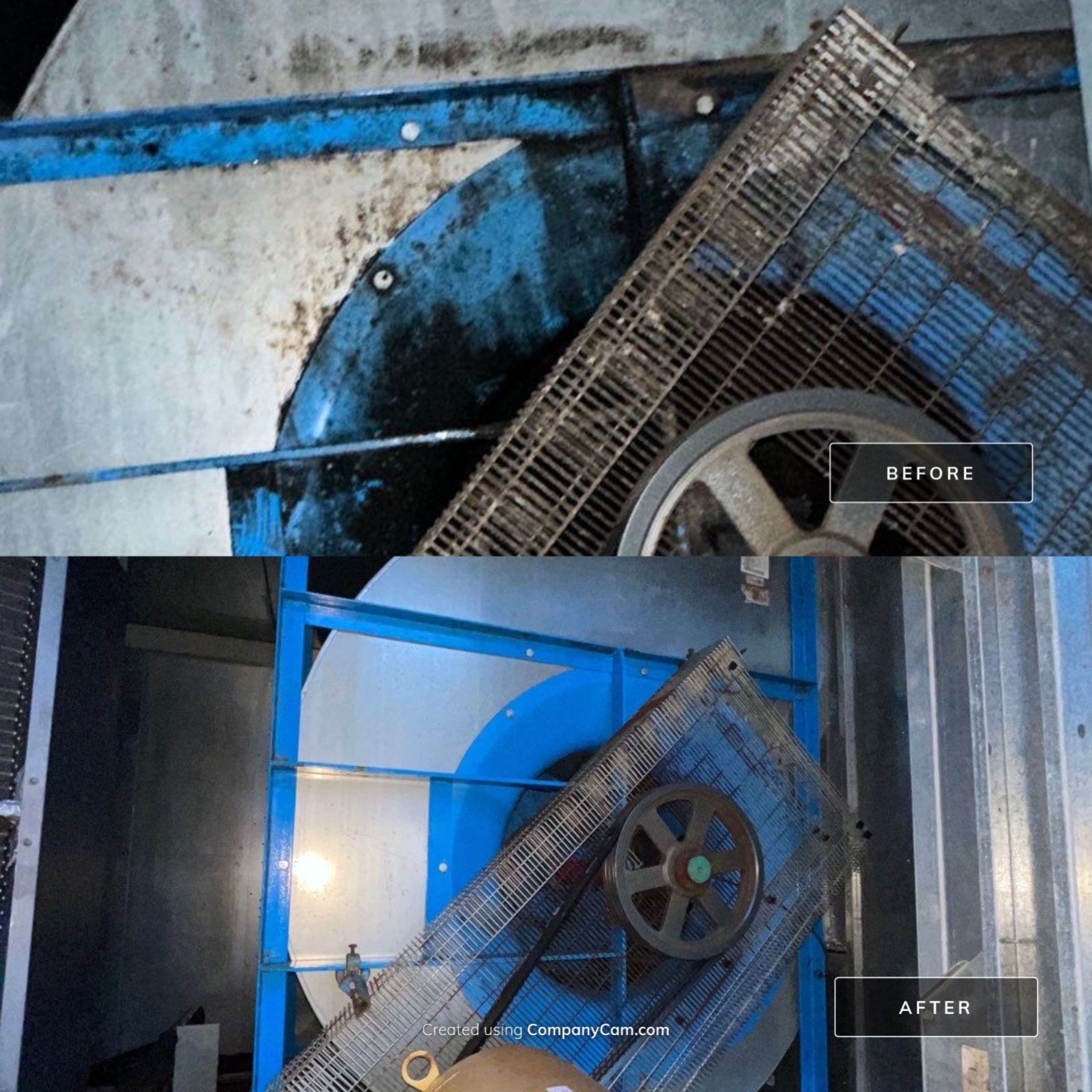
Preventative maintenance is the backbone of reliable Hospital and Medical Centers Duct and HVAC Cleaning programs. At least annually, technicians should: inspect coils, drain pans, and access panels; check insulation, dampers, and seals; verify filter fit and changeouts; and visually inspect duct interiors for dust/moisture. Where contamination is confirmed, perform source removal under containment and verify with photos/particulate or microbial sampling as appropriate. This condition-based approach reduces IAQ risk, prevents costly failures, and extends equipment life, while supporting patient safety.
Professional Hospital Duct Cleaning Process
Pre-assessment & sampling: Map systems, identify critical zones, and plan containment and access.
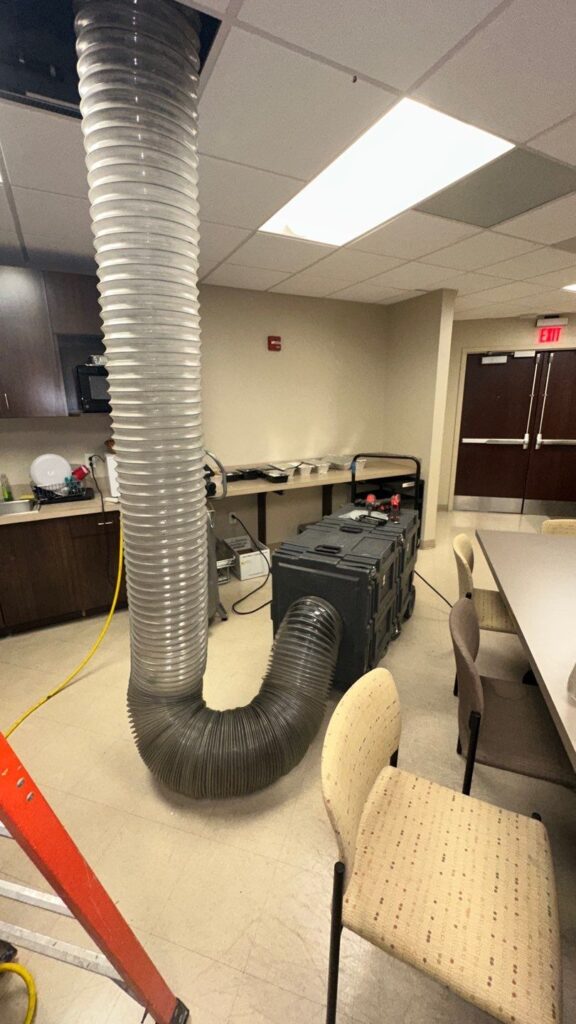
Containment & negative pressure: Maintain negative air within the work area and capture debris through HEPA-filtered collection devices to protect occupied spaces.
Source removal: Agitate and remove deposits from ducts, coils, and components; address wet insulation or compromised liners per ACR guidance.
Targeted antimicrobial use: Apply hospital-appropriate products only where indicated, following label and facility policies. (EPA notes the field’s evidence base varies; use antimicrobials judiciously and document rationale.)
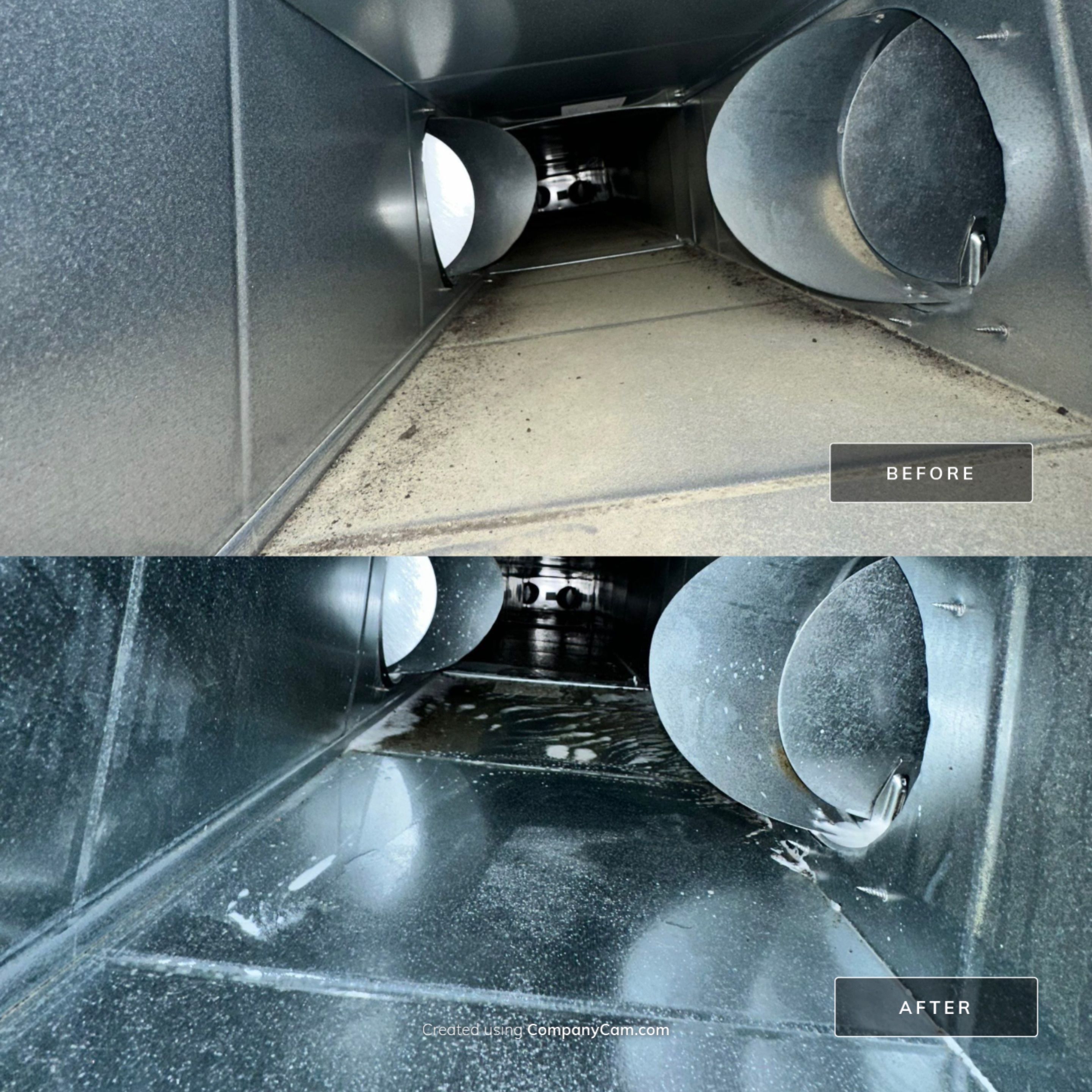
Post-clean verification: Visual documentation, particle counts, and/or microbial sampling (as defined by facility policy) confirm results before re-occupancy.
NADCA Certification and Industry Standards
Look for NADCA-certified firms that follow ACR, The NADCA Standard and have experience in healthcare environments. Teams should be trained in infection control measures, PPE, and containment, and use HEPA-filtered negative-air equipment and sanitizable tools. This ensures work practices align with healthcare expectations and supports audit-ready documentation. (Note: ACR 2025 is now available; ensure vendors operate to the current edition.)
Choosing a Hospital Duct Cleaning Provider
Select providers who can demonstrate:
NADCA certification and documented healthcare experience.
Mastery of containment, negative pressure, and HEPA capture, plus safe antimicrobial use.
Alignment with ASHRAE 170 ventilation expectations for critical spaces.
Robust QA, safety plans, emergency response capability, and detailed post-project reporting.
Appropriate insurance and clear, transparent scopes.
HIPAA and Privacy Considerations in Duct Cleaning
While duct cleaning activities typically don’t involve handling protected health information (PHI), vendors must respect privacy. If work occurs in areas where PHI may be visible (records rooms, registration, billing), hospitals should implement privacy safeguards (escorts, covered workstations). Execute a Business Associate Agreement (BAA) only if a vendor will create, receive, maintain, or transmit PHI as part of services. Otherwise, enforce site privacy policies and confidentiality clauses. (This is a practical compliance framing; HIPAA doesn’t require “HIPAA-certified cleaners.”)
Frequently Asked Questions
How long does hospital duct cleaning take, and will it disrupt operations?
Timeframes depend on system size and access. Work is phased, contained, and scheduled during off-peak windows to keep patient care uninterrupted. Critical areas are coordinated with clinical leadership to maintain ventilation continuity.
What safety measures prevent contamination during cleaning?
Work areas are isolated with physical barriers and kept under negative pressure with HEPA filtration to capture dislodged material. Crews follow infection-control protocols and PPE requirements, and air quality is checked before turnover.
How is effectiveness verified?
Visual inspection (photos/video), particle counts, and—when indicated—microbial sampling are used to verify cleanliness against facility criteria and ACR guidance. Reports document before/after conditions.
What if mold or risk pathogens are discovered?
The team activates enhanced containment and remediation steps, coordinates with Infection Prevention, and may temporarily isolate affected zones until verification passes.
Can duct cleaning help with accreditation?
Yes—inspection findings, work plans, and verification records demonstrate preventive maintenance for environmental controls and support Joint Commission and CDC-aligned programs; ventilation parameters remain governed by ASHRAE 170 and facility policy.
Conclusion and Final Thoughts
Hospital and Medical Centers Duct and HVAC Cleaning is a condition-based, inspection-driven practice that supports air-quality goals, patient safety, and operational reliability. By pairing annual inspections with targeted source-removal cleaning, proper containment, and verification, hospitals maintain HVAC performance, reduce IAQ risks, and uphold compliance. Aligning with NADCA ACR and ASHRAE 170 helps ensure consistent, defensible practices across critical spaces.