Research suggests that indoor air quality concerns affect millions of Americans, yet many homeowners remain unaware of when their HVAC system actually requires professional cleaning beyond routine filter changes. Being aware of system access points, cleaning procedures, and the potential benefits of air duct cleaning is essential for making informed decisions and ensuring proper system maintenance. While the restoration industry has seen significant growth in awareness around air duct cleaning, determining when you truly need this service—and how to select qualified restoration professionals—can protect both your health and your wallet. Many homeowners first become aware of air duct cleaning services through advertisement, such as coupons or direct outreach from air duct cleaning companies.
This comprehensive guide answers the most critical questions about hvac cleaning: when it’s genuinely necessary according to Environmental Protection Agency guidelines, what professional service should include, and how to avoid common pitfalls when choosing air duct cleaning companies. Whether you’re dealing with indoor air quality concerns or considering preventive maintenance, you’ll learn to make informed decisions about your HVAC system.
What is HVAC Cleaning and When Do You Actually Need It?
HVAC cleaning encompasses the comprehensive cleaning of all components within your heating, ventilation, and air conditioning system. This process goes far beyond simple air duct cleaning to include supply ducts, return ducts, registers, grilles, coils, fans, air handling units, and the entire system’s internal components. As the HVAC system operates, air is pulled through the ductwork, and dust, debris, and other contaminants can be pulled into the system, accumulating over time.
The Environmental Protection Agency provides clear guidance on when cleaning becomes necessary versus routine maintenance. Generally, the EPA advises that air ducts cleaned routinely may not provide significant health benefits unless specific contamination issues exist, such as the presence of bacteria, mold, or other biological contaminants that can accumulate in ductwork and impact indoor air quality.
Three Critical Situations Requiring Immediate Cleaning
The EPA identifies three specific situations where professional hvac cleaning becomes essential:
Visible Mold Growth: When you can see mold growing inside air ducts or on other hvac system components, immediate professional intervention is required. However, it’s important to determine whether the substance is actually mold through proper testing, as many materials can appear similar to untrained eyes. Be cautious of any attempt by service providers to convince you of microbial contamination without proper testing or expert assessment.
Vermin Infestation: If insects, rodents, or other pests have inhabited your ductwork, thorough cleaning becomes necessary to remove debris, nesting materials, and potential health hazards these contaminants can trigger.
Excessive Dust and Debris: When your hvac system releases visible particles into your living space during normal operation, or when substantial amounts of debris are clearly blocking airflow, professional cleaning addresses the root cause rather than just symptoms.
Normal Accumulation vs. Contamination
Understanding the difference between normal dust accumulation and contamination requiring intervention helps homeowners make informed decisions. A typical hvac system will naturally collect some dust over time, but this doesn’t automatically mean professional cleaning is necessary.
However, if you’re unable to maintain proper indoor air quality despite regular filter changes, if family members experience increased allergies or asthma symptoms, or if you notice unusual odors coming from your cooling system or heating components, these signs may indicate contamination levels that warrant professional assessment.
The HVAC Cleaning Process: What Professional Service Includes
Professional hvac cleaning follows the source removal method using negative pressure vacuum systems, which represents the gold standard for effective cleaning. This approach ensures contaminants are completely removed rather than simply redistributed throughout your home.
NADCA Standards and Professional Protocols
The National Air Duct Cleaners Association (NADCA) establishes industry standards that qualified technicians must follow. These standards require comprehensive cleaning of the entire system—not just air ducts—using specific ACR (Air Conditioning and Refrigeration) cleaning protocols.
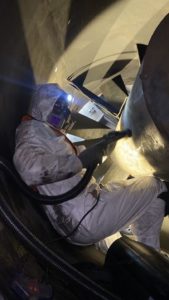
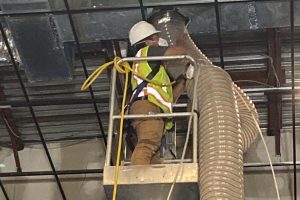
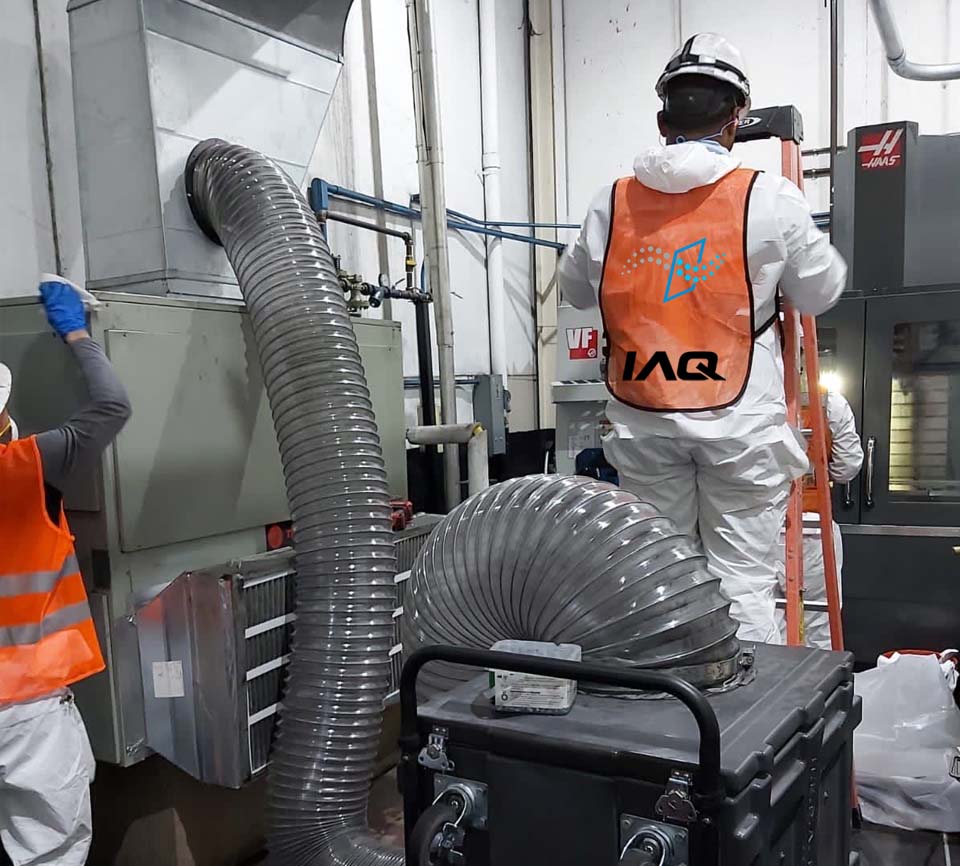
Professional service includes accessing all system components through existing openings or by creating temporary access points when necessary. Technicians use specialized tools including rotary brushes, air whips, and HEPA-filtered vacuum equipment to agitate debris and maintain negative pressure throughout the cleaning process.
Specialized Equipment and Techniques
Effective duct cleaning requires industrial-grade equipment far beyond typical household vacuum systems. Professional restoration professionals use:
- Negative pressure vacuum systems that prevent contaminants from escaping into your living space
- Air whips and rotary brushes designed to dislodge debris without damaging ductwork
- HEPA-filtered vacuum equipment that captures particles as small as 0.3 microns
- Compressed air tools for accessing difficult areas and ensuring thorough cleaning
The process typically requires 2-4 hours for residential properties, depending on system size and contamination levels. Professional technicians create access points strategically, then seal them properly after completion to maintain system integrity.
Documentation and Inspection Procedures
Quality service providers conduct thorough before and after inspections, documenting the cleaning process and system condition. This documentation serves as proof of work completed and helps identify any pre-existing issues that might require additional attention.
Proper technician training ensures each job meets industry standards while protecting both your property and the cleaning crew from potential hazards like asbestos in older homes or electrical safety concerns.
Health Benefits and Energy Efficiency Considerations
Professional hvac cleaning can provide measurable benefits for both indoor air quality and system efficiency, though it’s important to maintain realistic expectations about what cleaning can and cannot accomplish.
Indoor Air Quality Improvements
For individuals with asthma, allergies, or other respiratory sensitivities, removing accumulated dust, pollen, pet dander, and bacterial contaminants from the entire system can lead to noticeable improvements in breathing comfort. Clean air ducts allow filtered air to circulate without picking up additional particles from dirty ductwork. This helps ensure the air you breathe is free from harmful contaminants.
However, cleaning alone won’t solve all indoor air quality problems. Factors like humidity levels, outdoor air quality, household activities, and the condition of your air filters play equally important roles in maintaining healthy indoor air.
System Efficiency and Energy Considerations
According to the U.S. Department of Energy, clean HVAC components—particularly coils, fans, and heat exchangers—can improve system efficiency by up to 15%. This improvement comes primarily from cleaning the mechanical components rather than the ductwork itself.
Clean coils transfer heat more effectively, reducing the time your system runs to reach desired temperature settings. Similarly, clean fans move air more efficiently, reducing energy consumption. However, research suggests that air duct cleaning alone provides limited energy savings unless ducts were significantly blocked with debris.
When hvac systems operate more efficiently, homeowners often save energy on both heating and cooling costs. Additionally, reduced system strain can help prevent premature equipment failure, potentially avoiding costly repairs down the road.
Choosing a Qualified HVAC Cleaning Professional
Selecting the right service provider requires careful research, as the hvac cleaning industry includes both highly qualified restoration professionals and less scrupulous operators who may not deliver promised results.
NADCA Certification and Professional Standards
Start your search using NADCA’s member directory, which lists certified professionals who have demonstrated knowledge of proper cleaning techniques and industry standards. NADCA certification requires ongoing education and adherence to established protocols, providing consumers with an important quality indicator.
Verify that potential contractors hold appropriate licenses for your area and check their Better Business Bureau ratings. Look for companies that have been in business for several years and can provide local references from recent customers.
Critical Red Flags to Avoid
Be extremely cautious of these warning signs that often indicate substandard service:
- Door-to-door sales approaches that pressure immediate decisions
- Extremely low prices like “$99 whole house specials” that seem too good to be true
- Unsubstantiated health claims promising to cure allergies or eliminate all indoor air quality problems
- High-pressure upselling for unnecessary chemical treatments or equipment
Quality contractors provide written estimates that detail exactly what work will be performed, which components will be cleaned, and what equipment will be use
Verification and Reference Checking
Always obtain written estimates from multiple providers to compare service scope and pricing. Ask specific questions about their cleaning process, equipment specifications, and experience with your type of ductwork material.
Check references carefully, focusing on recent customers who had similar work performed. Ask about punctuality, cleanliness during the work, whether the contractor delivered promised results, and if they would hire the same company again.
Verify licensing through your state’s contractor licensing board and research any complaint history with consumer protection offices. A few minor complaints over many years of business may be normal, but patterns of unresolved issues should raise concerns.
Written Agreements and Expectations
Insist on written agreements that specify the timeline, detailed cost breakdown, and access requirements for your property. The agreement should clearly state which system components will be cleaned and what type of equipment will be used.
Understand that legitimate contractors may need to decline jobs in certain situations—such as when asbestos-containing materials are present in older homes—and should refer you to appropriate specialists when necessary.
What to Expect During Professional Service
Understanding the professional cleaning process helps you evaluate whether your chosen contractor follows proper procedures and maintains the quality standards you’re paying for.
Pre-Cleaning Safety and Assessment
Qualified technicians begin with a thorough inspection to identify any potential safety hazards, particularly asbestos-containing materials in homes built before 1980. If asbestos is suspected, the cleaning job should be postponed until proper abatement is completed by licensed specialists.
Professional crews protect your household furnishings and establish containment procedures to prevent contaminants from spreading throughout your home during the cleaning process. This preparation demonstrates attention to detail and professional standards.
Equipment Setup and Containment
Proper equipment setup includes positioning vacuum systems with external exhaust or HEPA filtration to ensure captured contaminants don’t re-enter your indoor air. The negative pressure should be maintained throughout the entire cleaning process.
For homes with fiberglass duct systems, technicians should use soft-bristled brushes and gentler agitation methods to avoid damaging the duct materials. Aggressive cleaning techniques can actually harm fiberglass components and reduce their effectiveness.
Post-Cleaning Inspection and Documentation
After cleaning completion, professional contractors conduct a visual inspection to verify all accessible areas have been properly cleaned. Many provide before and after photos documenting the work performed.
You should receive a consumer checklist or service completion document that details what was cleaned, any issues discovered during the process, and recommendations for maintaining your newly cleaned system.
HVAC Cleaning Costs and Service Options
Understanding typical pricing and service options helps you budget appropriately and evaluate whether quoted prices align with industry standards for quality work.
Residential Cost Ranges and Pricing Factors
Typical residential hvac cleaning costs range from $450 to $1,000, depending on several key factors that affect the complexity and time requirements of the job.
| Pricing Factor | Impact on Cost |
|---|---|
| Home size and ductwork extent | Larger systems require more time and materials |
| Ductwork accessibility | Difficult access increases labor requirements |
| Contamination level | Heavy contamination requires additional equipment and time |
| System complexity | Multiple zones or unusual configurations affect pricing |
Geographic location also influences pricing, with urban areas typically commanding higher rates than rural locations due to business overhead and local market conditions.
Additional Services and Options
Many contractors offer complementary services that can be performed efficiently during the same visit:
- Dryer vent cleaning to improve appliance efficiency and reduce fire risk
- Coil cleaning for enhanced system performance
- Sanitizing treatments when appropriate for the situation
- Filter replacement with upgraded filtration options
Be cautious about high-pressure sales for expensive add-on services, particularly chemical treatments that may not be necessary for your specific situation.
Insurance Coverage Considerations
Homeowner’s insurance may cover hvac cleaning when it’s part of restoration following covered events like water damage or fire. However, routine maintenance cleaning typically isn’t covered by standard policies.
If you’re dealing with water damage, mold issues, or fire restoration, discuss coverage with your insurance company before scheduling service. Some restoration professionals can work directly with insurance providers to streamline the claims process.
Emergency service availability varies among contractors, with some offering 24/7 response for urgent situations like post-fire cleanup or water damage restoration.
Prevention Strategies to Avoid Future Contamination
Implementing proper prevention strategies proves more cost-effective than repeated professional cleaning while maintaining healthier indoor air quality year-round.
Air Filter Management and Selection
High-efficiency air filter selection and regular replacement schedules represent your first line of defense against system contamination. However, extremely high-efficiency filters can restrict airflow if your system wasn’t designed to handle the increased resistance.
Consult your HVAC equipment documentation or a qualified technician to determine the highest efficiency filter your system can handle without creating airflow problems. Replace filters according to manufacturer recommendations, typically every 1-3 months depending on usage and environmental conditions.
Construction and Renovation Protection
During any construction or renovation work, protect your hvac system by sealing registers and return vents to prevent debris from entering the ductwork. This simple precaution can save significant cleanup costs and prevent contamination.
Consider shutting down your hvac system entirely during dusty work like drywall installation or sanding. The temporary inconvenience costs far less than professional cleaning to remove construction debris from your entire system.
Moisture Control and System Maintenance
Moisture control prevents many contamination problems that lead to expensive cleaning requirements. Repair any leaks promptly, ensure proper condensate drainage, and seal ductwork in unconditioned spaces to prevent condensation buildup.
Annual fuel-burning appliance servicing helps prevent carbon monoxide problems while ensuring efficient operation. Proper humidity control—maintaining levels between 30-50%—discourages mold growth while keeping occupants comfortable.
| Prevention Strategy | Frequency | Expected Benefit |
|---|---|---|
| Filter replacement | 1-3 months | Reduced particle accumulation |
| Leak inspection and repair | Annually | Moisture control |
| Duct sealing maintenance | As needed | Prevented contamination entry |
| Professional system maintenance | Annually | Early problem detection |
Regular maintenance proves far more cost-effective than emergency cleaning when problems become severe enough to trigger health concerns or system efficiency problems.
Special Considerations for Different Duct Materials
Different ductwork materials present unique cleaning challenges and may require specific techniques or equipment to clean effectively without causing damage.
Bare Sheet Metal Ducts
Bare sheet metal ducts represent the easiest material to clean thoroughly and treat for mold issues when necessary. These systems can withstand more aggressive cleaning techniques and accept biocide treatments when appropriate.
Professional cleaning of metal ductwork typically achieves the best results because the smooth interior surfaces don’t trap contaminants as readily as porous materials.
Fiberglass Board and Lined Sheet Metal
Fiberglass board ducts and sheet metal ducts with fiberglass lining present significant contamination challenges. When these materials become wet or heavily contaminated, cleaning may not restore them to acceptable condition.
Mold growth within fiberglass materials often requires complete replacement rather than cleaning, as the porous nature of fiberglass makes thorough decontamination extremely difficult. Professional assessment can determine whether cleaning is feasible or replacement is the only viable option.
Flexible Ducts and Replacement Considerations
Flexible ducts with plastic liners have cleaning limitations due to their corrugated interior surfaces that trap debris and their susceptibility to damage from cleaning equipment.
Many professionals recommend replacement rather than cleaning for heavily contaminated flexible ductwork, as the cost difference may be minimal while replacement ensures optimal air quality and system performance.
Insulated Ductwork Moisture Sensitivity
Insulated ductwork requires immediate attention when wet or moldy, as the insulation material can harbor contaminants and lose its thermal properties when saturated. Removal and replacement often proves more cost-effective than attempted cleaning.
Professional assessment helps determine whether insulated components can be salvaged through cleaning or require replacement to maintain system performance and indoor air quality.
Resources and Professional Organizations
Accessing reliable information sources and professional organizations helps you make informed decisions about hvac cleaning and avoid common pitfalls in contractor selection.
EPA Guidance and Federal Resources
The EPA Office of Radiation and Indoor Air provides comprehensive guidance on when air duct cleaning is beneficial and what to expect from professional services. Their publications offer unbiased information without commercial interests.
The Environmental Protection Agency website includes detailed consumer guides, safety information about chemical treatments, and answers to frequently asked questions about indoor air quality improvement.
Industry Standards and Professional Organizations
NADCA (National Air Duct Cleaners Association) maintains the professional directory most consumers should use when searching for qualified contractors. Their website provides educational resources and helps verify contractor certifications.
NAIMA (North American Insulation Manufacturers Association) offers specific cleaning guidelines for insulated ductwork and helps consumers understand when replacement may be necessary instead of cleaning.
Specialized Information Resources
The Antimicrobial Information Hotline provides guidance about biocide safety and appropriate applications when chemical treatments are being considered.
Professional associations within the restoration industry offer additional resources for consumers dealing with water damage, fire restoration, or other special circumstances requiring hvac cleaning as part of broader restoration efforts.
Many state licensing boards maintain online databases where you can verify contractor licenses and research any disciplinary actions or complaints filed against specific companies.
Professional hvac cleaning serves an important role in maintaining indoor air quality and system efficiency when performed by qualified contractors in appropriate situations. The key to successful outcomes lies in understanding when cleaning is genuinely necessary, selecting certified professionals who follow industry standards, and maintaining realistic expectations about what cleaning can accomplish.
Rather than falling for aggressive sales tactics or unsubstantiated health claims, focus on the Environmental Protection Agency guidelines for when cleaning becomes necessary. Invest in proper prevention strategies like quality air filters and moisture control, which prove more cost-effective than repeated professional cleaning.
When you do need professional service, take time to research contractors thoroughly, obtain multiple written estimates, and verify certifications through NADCA and local licensing authorities. Quality hvac cleaning performed by restoration professionals following proper protocols can deliver meaningful benefits—but only when performed correctly by qualified technicians using appropriate equipment and techniques.