Post Fire HVAC Duct Cleaning
When fire occurs in your property, the visible damage tells only part of the story. While charred walls and smoke-stained furniture grab immediate attention, a hidden threat lurks within your hvac system—one that can continue endangering your health long after the flames are extinguished. Fire is a leading cause of property damage and business disruption, making immediate restoration essential. Fire damage extends far beyond what meets the eye, with toxic smoke and corrosive soot penetrating deep into air ducts and hvac systems throughout your property.
Professional air duct and hvac cleaning post fire isn’t just recommended—it’s absolutely critical for protecting your health, preserving your property value, and ensuring your heating and cooling system continues operating safely. The restoration process requires specialized expertise, advanced tools, and immediate action to prevent long-term contamination that could affect your indoor air quality for years to come. Professional cleaning with HEPA filtration technology is highly effective at removing microscopic particles and allergens that can trigger allergies and further impact indoor air quality.
Introduction to Fire Damage Restoration
Fire damage restoration is far more than just repairing what you can see—it’s about addressing the hidden threats that linger long after the flames are out. When a fire occurs, smoke, soot, and toxic particles infiltrate every corner of your property, especially the HVAC system and air ducts. These systems, designed to circulate air throughout your home or business, can quickly become conduits for spreading smoke odors and hazardous contaminants to every room.
That’s why air duct cleaning and HVAC system restoration are essential steps in the damage restoration process. Without thorough cleaning, soot and smoke residues trapped inside air ducts continue to compromise indoor air quality, putting your health and comfort at risk. Certified technicians use specialized equipment and proven techniques to remove these contaminants, ensuring that your air is safe to breathe and that lingering odors are eliminated.
The benefits of professional air duct cleaning after fire damage are critical: you not only restore clean air and a healthy environment, but you also protect your HVAC system from further damage and extend its lifespan. By addressing both visible and hidden fire damage, you can prevent the spread of harmful particles and ensure a complete, safe recovery for your property.
Why HVAC and Air Duct Cleaning After Fire is Critical
Fire damage creates a complex web of contamination that standard cleaning simply cannot address. When fires burn through modern homes and commercial buildings, they don’t just consume wood and paper—they incinerate furniture, carpets, plastics, insulation, and countless synthetic materials, creating a toxic cocktail of airborne chemicals that your hvac system rapidly circulates throughout the entire property.
The contaminated air ducts become highways for distributing cancer-causing chemicals, volatile organic compounds, and corrosive particles to every room connected to your system. These contaminants don’t simply settle and disappear—they embed themselves deep within ductwork surfaces, coils, and filtration system components, where they continue releasing toxic fumes every time your heating or cooling system operates.
Professional cleaning removes these dangerous substances before they can cause permanent damage to both your health and your equipment. Only experienced professionals have the expertise to handle the complexity of the cleaning job required after fire damage, ensuring complete removal of contaminants and restoration of system efficiency. Cancer-causing chemicals from burned materials include formaldehyde, benzene, and polycyclic aromatic hydrocarbons that become airborne during fires and require specialized removal techniques that go far beyond basic duct cleaning procedures.
Immediate hvac cleaning also prevents permanent damage to expensive heating and cooling equipment. Corrosive soot particles act like sandpaper on moving components, while acidic residues eat away at metal surfaces, coils, and electrical connections. Without prompt professional intervention, what starts as surface contamination quickly becomes costly equipment replacement.
The urgency cannot be overstated. Every hour that contaminated air continues circulating through your property increases the health risks and deepens the penetration of corrosive substances into system components. Property owners who delay professional cleaning often face respiratory health issues, persistent smoke odors, and complete hvac system replacement—costs that far exceed immediate restoration expenses.
How Fire Damage Affects Your HVAC System
Understanding how fires contaminate hvac systems helps explain why professional cleaning becomes so critical. Smoke travels at incredible speeds through ventilation networks, following air currents through supply ducts, return ducts, and every connected component. Even small fires can contaminate the entire hvac system within minutes as smoke particles follow airflow patterns throughout the property.
The contamination process begins immediately when fire starts. As materials burn, they release microscopic particles that become suspended in heated air. Your hvac system, designed to move air efficiently throughout your property, becomes an unwitting accomplice in spreading these contaminants. Smoke particles deposit layers of soot on blower motors, heat exchangers, cooling system coils, and every internal surface they encounter. It is essential to clean each affected unit, such as vents and ductwork, to ensure all traces of soot, smoke, and toxic chemicals are removed after a fire.
Ash and debris settle deep inside air handlers, where they accumulate in hard-to-reach areas that remain hidden from casual inspection. These deposits don’t just create odor problems—they actively corrode metal components and reduce system efficiency over time. The acidic nature of smoke residue causes ongoing chemical reactions that weaken joints, connections, and sensitive electronic components.
Temperature fluctuations during fires create additional challenges. Extreme heat can warp flexible ductwork, compromise seal integrity, and damage insulation materials. These structural changes create new pathways for contamination spread and reduce your system’s ability to maintain proper airflow and temperature control.
The contamination isn’t limited to visible soot deposits. Microscopic particles penetrate deep into porous materials like duct insulation and filter media, where they continue releasing volatile compounds long after the fire ends. These hidden contaminants make the entire hvac system a ongoing source of indoor air quality problems until properly addressed through professional restoration.
Health Risks of Neglecting Post-Fire HVAC Cleaning
The health consequences of operating contaminated hvac systems after fire damage are both immediate and long-term. Breathing contaminated air triggers respiratory problems, asbesma attacks, and severe allergic reactions in sensitive individuals. The toxic chemicals released from burned plastics, carpets, and synthetic materials create an ongoing exposure risk that persists for months without proper cleaning.
Children, elderly individuals, and those with compromised immune systems face the highest risk from post-fire air contamination. Their developing or weakened respiratory systems cannot effectively filter out the toxic particles that contaminated ducts continue circulating throughout living and working spaces. Medical studies have documented increased rates of respiratory infections, chronic coughing, and exacerbated asthma conditions in buildings where hvac systems weren’t properly cleaned after fire exposure.
Persistent smoke odors serve as a constant reminder of ongoing chemical exposure. These odors don’t just affect comfort—they indicate continued exposure to carcinogenic compounds that embed themselves in clothing, furniture, and personal belongings. The psychological stress of constant smoke smell can trigger anxiety and depression, particularly in fire survivors already dealing with trauma.
Mold growth accelerates dramatically in moisture-damaged ductwork following firefighting efforts. When water combines with organic debris and soot residue in warm, dark duct environments, it creates ideal conditions for rapid mold spore development. Mold spores become airborne every time the system operates, triggering allergic reactions and respiratory distress that can persist for years without proper remediation.
The toxic load from multiple contaminant sources overwhelms natural detoxification processes in the human body. Prolonged exposure to smoke residues, chemical off-gassing, and biological contaminants creates cumulative health effects that may not manifest immediately but contribute to long-term respiratory and neurological problems.
According to EPA research, indoor particulate matter levels can remain 5-10 times higher than pre-fire conditions for up to six months when ductwork isn’t professionally cleaned. This extended exposure period significantly increases the risk of developing chronic respiratory conditions and other health complications that could have been prevented through immediate professional intervention.
Professional HVAC Cleaning Process After Fire
Comprehensive air duct and hvac cleaning post fire requires specialized equipment and certified technicians trained in fire damage restoration protocols. The multi-step process ensures complete removal of smoke, soot, and fire-related contaminants while protecting occupants from exposure during the restoration process. NADCA-certified professionals follow EPA-approved methods that meet both insurance requirements and health safety standards.
The restoration process differs dramatically from routine hvac cleaning. While standard maintenance focuses on dust and allergen removal, post-fire cleaning targets toxic chemical residues, corrosive particles, and biological contaminants that require specialized handling and disposal procedures. Professional restoration teams bring truck-mounted equipment, HEPA filtration systems, and chemical neutralization tools unavailable to standard cleaning services.
Initial Inspection and Assessment
The restoration process begins with comprehensive system evaluation by certified technicians who understand the unique challenges of fire damage contamination. Professional inspection goes beyond visual assessment to document contamination levels throughout the entire hvac system, including hidden areas where smoke particles accumulate.
Advanced inspection techniques include video camera surveys of ductwork interiors, air quality testing to establish baseline contamination levels, and thermal imaging to identify areas where heat damage may have compromised system integrity. This thorough assessment determines the scope of cleaning required and identifies components that may need repair or replacement rather than cleaning.
Documentation during the initial inspection becomes critical for insurance claims processing. Professional restoration companies provide detailed reports with photographs, air quality measurements, and written assessments that insurance adjusters require for claim approval. This documentation also establishes liability protection for property owners and creates accountability standards for the restoration work.
The assessment phase also identifies safety hazards that could complicate the cleaning process. Damaged electrical connections, compromised ductwork integrity, and potential asbestos exposure in older buildings require special handling protocols that only trained professionals can safely manage.
Containment and Safety Preparation
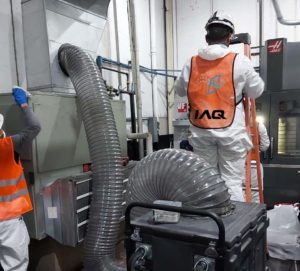
Before beginning actual cleaning work, professional restoration teams establish containment barriers to prevent cross-contamination of clean areas during the restoration process. Negative air pressure systems create controlled airflow that captures released particles and prevents their spread to unaffected areas of the property.
HEPA filtration units operate continuously during cleaning to capture airborne particles that become dislodged during the restoration process. These industrial-grade air scrubbers process thousands of cubic feet of air per minute through multiple filtration stages that remove particles down to 0.3 microns in size.
Protective barriers isolate work areas from occupied spaces, allowing restoration to proceed while minimizing disruption to residents or business operations. Professional teams use plastic sheeting, air locks, and controlled entry points to maintain contamination control throughout the cleaning process.
The hvac system must be completely shut down during cleaning to prevent further circulation of contaminants. Professional teams verify that all system components are properly isolated and that temporary heating or cooling arrangements are made if necessary to maintain occupant comfort during the restoration period.
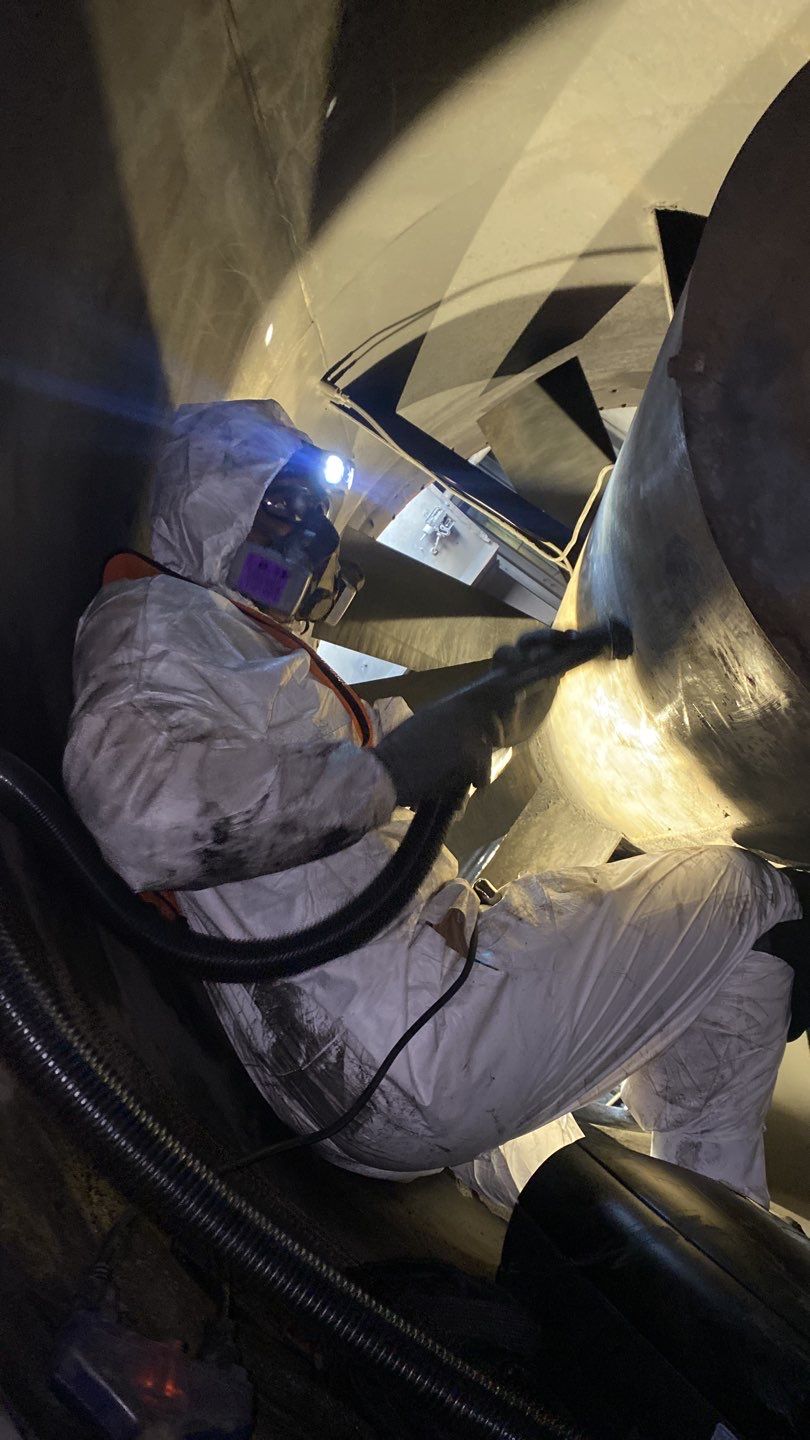
Worker safety requires specialized personal protective equipment including full-face respirators, chemical-resistant suits, and eye protection. Professional restoration teams undergo regular training in hazardous material handling and follow strict safety protocols that protect both workers and property occupants from exposure risks.
Deep Cleaning and Decontamination
The core cleaning process utilizes high-powered vacuums with HEPA filters specifically designed to handle fine soot particles and toxic debris. These industrial vacuum systems generate sufficient suction to remove deeply embedded contaminants while capturing particles that would otherwise become airborne during the cleaning process.
Mechanical agitation tools including specialized brushes, air whips, and compressed air systems dislodge stubborn residue from duct surfaces, coil fins, and other system components. Professional teams select agitation methods based on duct material and contamination levels to ensure thorough cleaning without damaging sensitive components.
Steam cleaning and antimicrobial treatments eliminate bacteria, mold spores, and other biological contaminants that thrive in post-fire moisture conditions. Professional-grade steam equipment reaches temperatures that denature proteins and destroy microorganisms while loosening chemical residues for easier removal.
Coil cleaning receives special attention since these heat exchange surfaces accumulate dense layers of contamination that severely impact system efficiency. Professional restoration includes complete coil disassembly when necessary, followed by chemical cleaning, pressure washing, and antimicrobial treatment to restore proper heat transfer function.
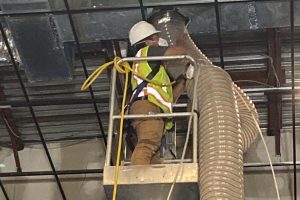
The cleaning process extends to every system component including air handlers, ductwork, vents, registers, and return air plenums. Professional teams use video inspection to verify cleaning effectiveness and ensure no contaminated areas are overlooked during the restoration process.
Sanitization and Odor Elimination
Final sanitization utilizes EPA-registered disinfectants specifically formulated to neutralize fire-related contaminants and eliminate pathogenic microorganisms. These professional-grade chemicals break down toxic residues while providing antimicrobial protection against future contamination growth.
Persistent smoke odors require specialized neutralization techniques that go beyond masking or covering up offensive smells. Professional restoration teams employ ozone treatment, hydroxyl generators, or thermal fogging to molecularly break down odor-causing compounds embedded in system materials.
Duct sealing becomes critical for preventing future contamination infiltration and maintaining system performance. Professional teams identify and seal gaps, holes, and joint separations that could allow contaminants to re-enter the system or reduce energy efficiency.
New HEPA filters and upgraded filtration components are installed as the final step in restoring clean air circulation. Professional teams select filter grades appropriate for post-fire conditions and may recommend ongoing filter upgrade programs to maintain improved indoor air quality.
Final air quality testing verifies that contamination levels have returned to acceptable standards before the system is returned to normal operation. Professional restoration companies provide documentation of cleaning effectiveness and air quality improvement to support insurance claims and provide peace of mind to property occupants.
Air Duct Cleaning and Maintenance
Keeping your air ducts clean is a vital part of maintaining a healthy and efficient HVAC system. Over time, air ducts can accumulate dust, debris, and even mold spores, all of which can reduce indoor air quality and lead to health issues such as allergies or respiratory problems. Regular air duct cleaning helps prevent these problems by removing contaminants before they can circulate through your home or business.
The process typically begins with an initial inspection, where certified technicians assess the condition of your air ducts and identify any buildup or blockages. Using high-powered vacuums and advanced tools, they thoroughly clean the ductwork, ensuring that dust, debris, and mold spores are effectively removed. This not only improves air quality but also helps your HVAC system run more efficiently, reducing energy costs and extending the life of your equipment.
Experts recommend having your air ducts cleaned every three to five years, but certain conditions—such as high pollen levels, moisture, or the presence of mold—may require more frequent maintenance. Homes with pets, smokers, or residents with allergies can also benefit from more regular duct cleaning. By staying proactive with air duct cleaning and maintenance, you can protect your health, enhance system efficiency, and enjoy cleaner, fresher air throughout your property.
Why Professional Service is Essential
The complexity of post-fire hvac contamination demands specialized equipment, training, and expertise that far exceeds the capabilities of general cleaning services or DIY approaches. Professional restoration companies invest in truck-mounted vacuum systems, industrial air scrubbers, and chemical neutralization equipment specifically designed for fire damage restoration that costs hundreds of thousands of dollars and requires extensive training to operate safely.
NADCA certification ensures that restoration technicians understand industry standards for fire damage restoration and follow protocols developed through decades of research and field experience. Certified professionals receive ongoing training in new contamination removal techniques, safety procedures, and regulatory requirements that affect post-fire restoration work.
Insurance companies increasingly require professional cleaning documentation for fire damage claims processing. Restoration work performed by uncertified individuals or companies may not meet insurance policy requirements, potentially resulting in denied claims or reduced settlements. Professional restoration companies understand insurance requirements and provide documentation that supports full claim recovery.
DIY cleaning attempts risk spreading contamination throughout the property and exposing occupants to dangerous chemicals without proper protective equipment. Home vacuum cleaners lack the filtration capacity to capture fine soot particles, often simply redistributing contamination to previously clean areas. Improper cleaning techniques can also damage expensive hvac components, resulting in repair costs that exceed professional restoration expenses.
Professional restoration companies carry liability insurance and provide service guarantees that protect property owners from additional costs if cleaning proves ineffective or causes equipment damage. These protections provide essential peace of mind during an already stressful recovery period and ensure that restoration work meets professional standards.
The expertise that professional teams bring extends beyond cleaning techniques to include damage assessment, equipment evaluation, and system optimization recommendations. Professional restoration often identifies efficiency improvements and maintenance needs that help prevent future problems while restoring the system to better-than-original condition.
When to Act: Timing Matters
Time becomes a critical factor in successful post-fire hvac restoration. Professional cleaning should begin within 24-48 hours after the fire department clears the property for entry to prevent permanent contamination embedding and minimize corrosion damage to system components.
Each day of delay allows acidic soot residues to penetrate deeper into porous materials and begin irreversible corrosion processes on metal surfaces. What might require relatively straightforward cleaning in the first 48 hours can become complete component replacement after a week of exposure to corrosive contamination.
Lingering smoke odor becomes increasingly difficult to eliminate as volatile compounds bind with porous materials and system components. Early intervention allows for more effective odor neutralization using less aggressive treatment methods that preserve system components and reduce restoration costs.
Emergency response agreements with certified restoration companies ensure priority service during peak demand periods when multiple properties may require simultaneous attention. These pre-negotiated agreements establish response times, pricing structures, and service priorities that accelerate the restoration process when speed is critical.
Temporary hvac system shutdown during the initial assessment period prevents further contamination spread while restoration teams develop comprehensive cleaning plans. Quick action to isolate contaminated systems can prevent cross-contamination of clean areas and reduce the overall scope of restoration required.
The longer contaminated systems continue operating, the more extensive the contamination spread becomes. Air circulation naturally distributes particles throughout connected spaces, potentially contaminating areas that weren’t directly affected by fire or smoke. Immediate shutdown and professional assessment can significantly reduce the total restoration scope and associated costs.
Business and residential displacement periods can be minimized through rapid restoration response. Professional teams with proper equipment and expertise can often complete restoration work in days rather than weeks, allowing faster return to normal operations and reducing the secondary costs associated with temporary relocation.