DISASTER RESTORATION

HVAC Duct Cleaning After Fire,Mold, Water Damage: Complete HVAC Restoration Guide for Commercial and Industrial Facilities

HVAC duct cleaning after fire is a critical safety and operational requirement for commercial and industrial facilities affected by fire damage.

Request A Quote For Your industrial Buildings OR Warehouse

Introduction

HVAC duct cleaning after fire is a critical safety and operational requirement for commercial and industrial facilities affected by fire damage. When fire strikes commercial buildings, the hvac system becomes contaminated with soot, smoke particles, and toxic residues that pose serious health risks to occupants and can cause costly repairs if not addressed immediately. Professional air duct cleaning after fire damage is essential to restore indoor air quality and prevent further contamination throughout the facility.

What This Guide Covers

This guide provides comprehensive information on post-fire HVAC duct cleaning procedures for commercial and industrial buildings, including safety protocols, assessment requirements, and professional restoration processes. We cover when to call specialists versus attempting in-house cleaning. This guide does NOT cover residential systems or general maintenance cleaning – only fire damage restoration in commercial settings.

Who This Is For

This guide is designed for facility managers overseeing commercial and industrial properties, property owners dealing with fire damage restoration, and HVAC contractors specializing in post-disaster cleanup. Whether you’re managing a manufacturing facility affected by fire or coordinating insurance claims for a commercial building, you’ll find actionable guidance for protecting your facility and occupants.

Why This Matters

Fire damage contaminates air ducts with soot, harmful bacteria, and toxic residues that spread throughout facilities when cooling systems and heating systems restart. Contaminated ductwork creates serious health risks including respiratory issues and allergies while damaging expensive HVAC components. Acting quickly prevents mold growth, protects occupant health, and minimizes costly repairs.

What You’ll Learn:

  • How fire damage affects commercial HVAC ductwork and creates duct contamination

  • Safety assessment protocols before beginning restoration work

  • Professional cleaning processes for fire-damaged duct systems

  • Common challenges and solutions in post-fire HVAC restoration

Understanding Fire Damage to Commercial HVAC Systems

Fire damage to HVAC systems occurs when soot infiltration, smoke residue, and heat damage compromise air ducts and system components. Unlike residential systems, commercial ductwork covers vast areas with complex air distribution networks that can spread contaminants rapidly throughout multiple zones and the entire space served by the HVAC system when the system operates. Airflow can become blocked by soot accumulation, reducing system efficiency.

Types of Fire Contamination in Ductwork

Soot particles and smoke residue coat duct surfaces, creating visible dust accumulation and musty odors that persist long after the fire is extinguished. Toxic chemical deposits from burned materials including plastics, insulation, and synthetic materials penetrate deep into ductwork, while heat-damaged insulation and duct components may require complete replacement. Insulation that has been contaminated or damaged by fire often cannot be cleaned and must be replaced to prevent ongoing contamination and protect indoor air quality. This connects to air duct cleaning requirements because each contamination type demands specific removal techniques and safety protocols.

Impact on Commercial HVAC Components

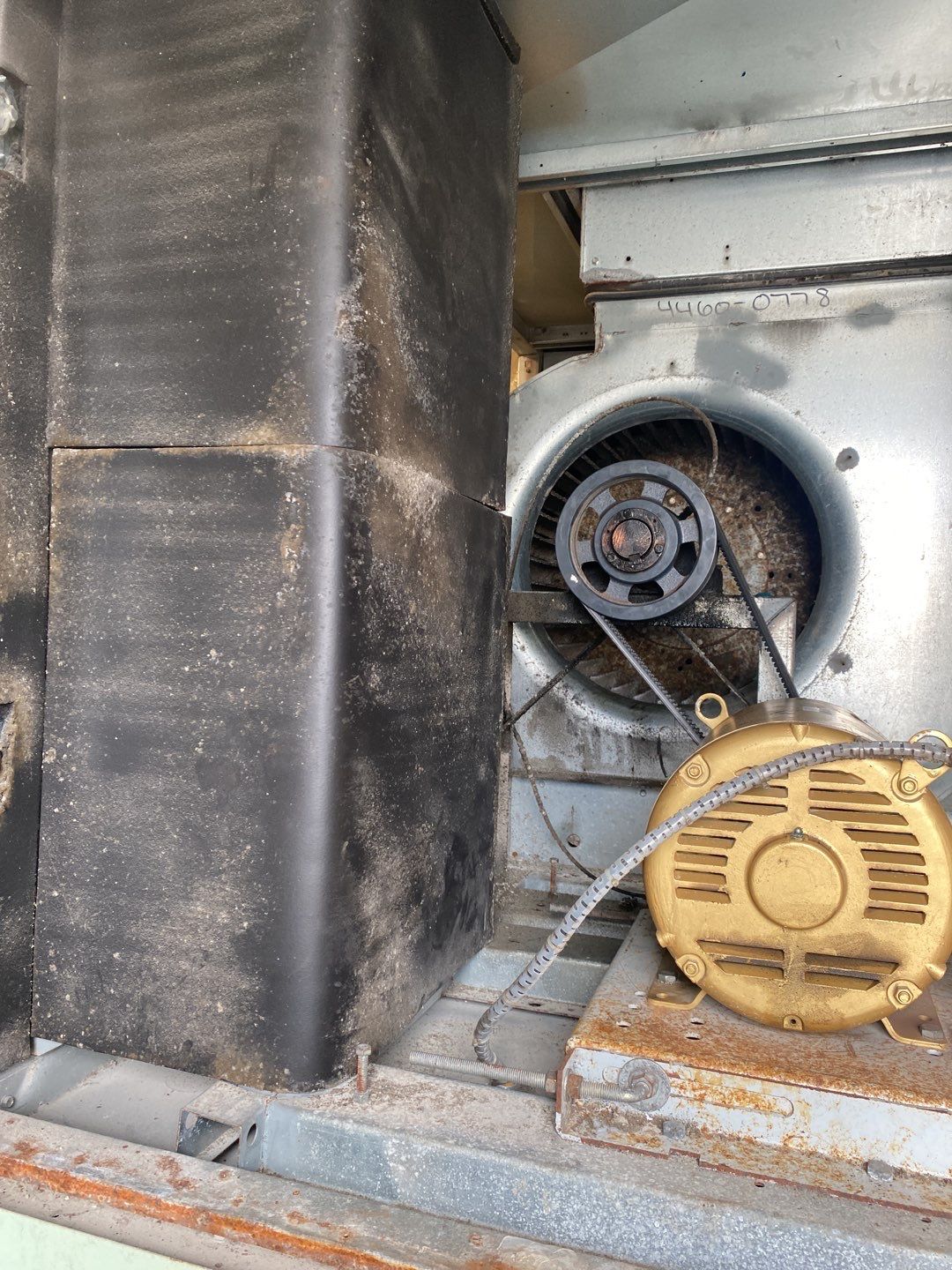
Fire damage affects air handlers, filters, coils, and fan systems by coating surfaces with corrosive soot that blocks airflow and reduces efficiency. Contamination spreads through both supply and return air pathways, while building automation and control systems may malfunction due to particle infiltration. Building on the contamination types above, component damage affects overall system integrity and requires comprehensive restoration rather than simple filter replacement. In many cases, replacing damaged filters, coils, or other components is necessary to fully restore system integrity after fire exposure.

Transition: Understanding these damage patterns is essential before beginning any safety assessment or restoration work.

Post-Fire Safety Assessment and Preparation

Professional assessment must occur before any cleaning begins to identify hazards and determine the extent of contamination throughout the air duct system. During preparation, temporary walls or plastic sheeting are often used to contain affected areas and prevent the spread of contaminants during restoration.

Initial Safety Evaluation

Structural integrity assessment examines ductwork and supports for heat damage or collapse risk, while testing for hazardous materials like asbestos in older commercial buildings protects workers from additional exposure. Air quality testing determines contamination levels and identifies specific pollutants present in the system.

System Shutdown and Isolation

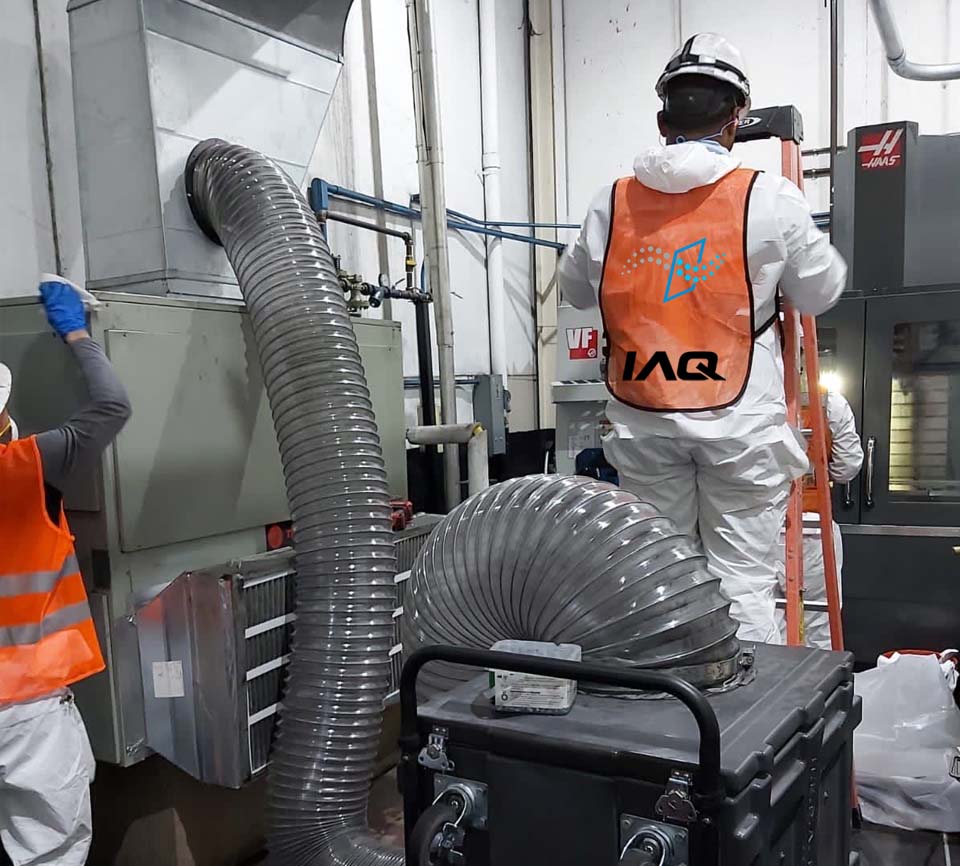
Proper shutdown procedures for commercial HVAC systems prevent spreading contaminants to clean areas when the system cycles on. Isolation of contaminated zones from clean areas requires temporary barriers and negative pressure systems. Unlike residential systems, commercial isolation demands zone-by-zone analysis to prevent cross-contamination between building sections.

Worker Safety Protocols

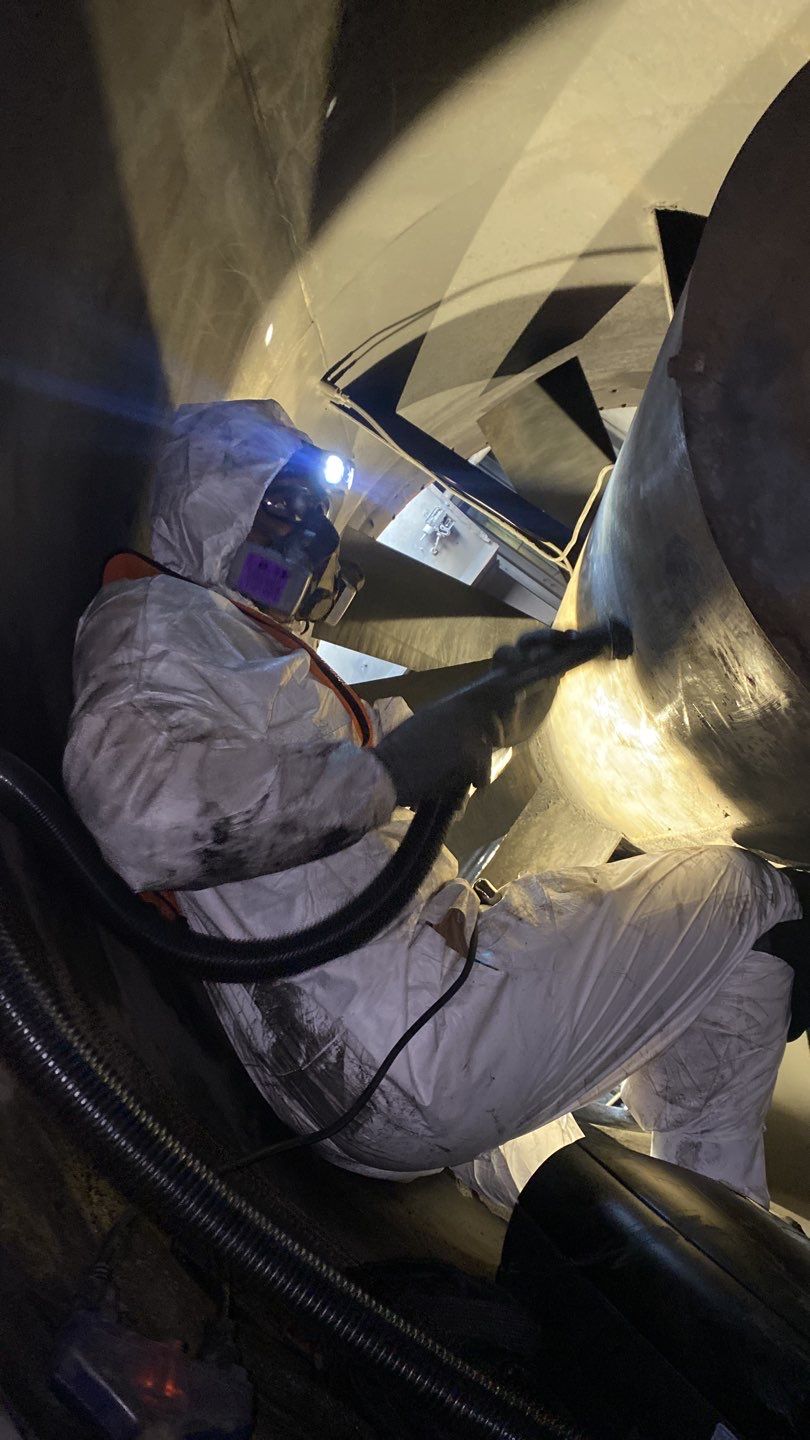
PPE requirements include respiratory protection, disposable coveralls, and eye protection when working in fire-damaged spaces. Ventilation and negative pressure considerations prevent debris and harmful bacteria from spreading to other areas during cleaning. Decontamination procedures for workers and equipment are essential to prevent contamination of clean areas.

Key Points:

  • Never operate HVAC systems before professional assessment

  • Test for asbestos and other hazardous materials in older buildings

  • Establish containment zones to protect unaffected areas

Transition: Once safety protocols are established, professional restoration can begin systematically.

Health Risks and HVAC Systems

The health risks associated with contaminated HVAC systems are a major concern for any commercial or industrial facility. When air ducts accumulate mold spores, harmful bacteria, and other contaminants, these pollutants are circulated throughout the building every time the HVAC system operates. This can lead to serious health risks for occupants, including respiratory issues, allergies, and even more severe illnesses. Poor indoor air quality caused by dirty air ducts is especially dangerous in environments where vulnerable populations may be present, such as hospitals or schools. Mold spores and other contaminants can trigger allergic reactions, worsen asthma, and contribute to the spread of airborne illnesses. To prevent contamination and protect the health of building occupants, it is essential to prioritize regular air duct cleaning and comprehensive HVAC system maintenance. By addressing contamination promptly and thoroughly, facility managers can significantly reduce health risks and ensure a safer, healthier indoor environment.

Professional HVAC Duct Cleaning Process After Fire

Comprehensive cleaning approaches for commercial systems require specialized equipment and techniques that most facility maintenance teams lack, making professional restoration essential for effectively cleaned results. It is important to choose a qualified service provider to ensure the service is performed thoroughly and effectively.

Facility managers should always verify that the job has been completed to industry standards before resuming system operation.

Step-by-Step: Fire Damage Restoration Process

When to use this: For commercial facilities with confirmed fire damage to HVAC systems requiring complete decontamination.

  1. Complete System Documentation: Photograph all damage and create detailed reports for insurance and compliance requirements

  2. Remove Contaminated Components: Dispose of damaged filters, insulation, and any components that cannot be effectively cleaned

  3. HEPA Vacuum All Surfaces: Use specialized equipment to remove visible dust, soot, and debris from accessible duct surfaces and components

  4. Chemical Cleaning Application: Apply fire damage-specific cleaning agents to dislodge dirt and neutralize odors embedded in ductwork

  5. Antimicrobial Treatment: Prevent mold growth by treating all cleaned surfaces, drain pans, and most overlooked areas with EPA-approved antimicrobials

  6. Component Replacement: Install new filtration systems, replace damaged insulation, and repair or replace compromised ductwork sections

  7. System Testing and Verification: Conduct airflow testing and air quality verification to ensure restoration meets safety standards

Comparison: In-House vs Professional Restoration

Feature

In-House Approach

Professional Restoration

Equipment

Basic vacuuming tools

Specialized HEPA systems, negative air machines

Expertise

General maintenance

Certified fire damage specialists

Timeline

2-3 weeks

1-2 weeks

Effectiveness

Partial cleaning

Complete contamination removal

Safety Compliance

Limited protocols

Full OSHA and EPA compliance

Professional restoration provides comprehensive results that protect both occupant health and equipment integrity, while in-house efforts often leave contamination in overlooked areas that can lead to recurring problems.

Transition: Even with professional help, facility managers face common challenges during restoration.

Duct Cleaning and Indoor Air Quality

Maintaining good indoor air quality starts with clean air ducts. Over time, air ducts can become clogged with visible dust, dirt, and other debris, which not only reduces the efficiency of the HVAC system but also allows pollutants and contaminants to circulate through the air. This buildup can lead to increased health risks, including respiratory problems and allergies, as well as create an environment where mold growth can thrive. Regular duct cleaning removes these contaminants, helping to prevent further damage to the system and ensuring that the air circulating throughout the facility is clean and safe. Professional duct cleaning is especially important, as improper cleaning can dislodge dirt and debris, leading to additional contamination or even damage to the ductwork. By investing in regular, professional duct cleaning, facility managers can help protect indoor air quality, reduce the risk of health issues, and maintain a healthier environment for everyone in the building.

Common Challenges and Solutions

Commercial facility restoration presents unique obstacles that require strategic planning and coordination to minimize disruption and ensure complete decontamination. Certain challenges, such as hidden contamination, are frequently encountered during post-fire restoration.

Challenge 1: Hidden Contamination in Complex Ductwork

Solution: Use remote video inspection equipment and specialized access tools to reach all ductwork areas.

Commercial systems often have inaccessible sections where mold spores and other contaminants accumulate, requiring professional equipment to identify and clean thoroughly.

Challenge 2: Business Continuity During Restoration

Solution: Implement phased cleaning approach with temporary HVAC solutions to maintain essential operations.

Facility managers can coordinate with restoration teams to clean systems in stages, using portable units to maintain climate control in critical areas while permanent systems undergo restoration.

Challenge 3: Water Damage and Mold Growth Prevention

Solution: Remove water immediately and establish dehumidification to prevent mold contamination.

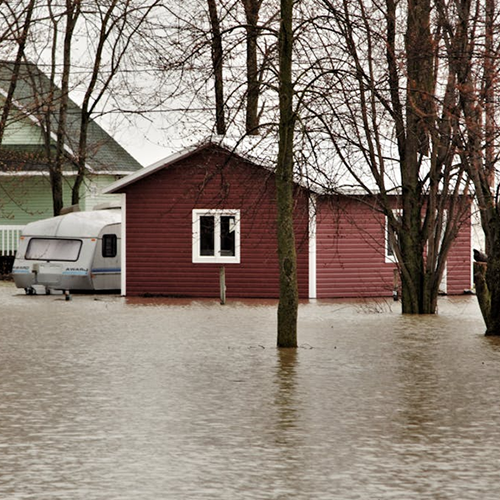
When firefighting efforts introduce moisture into ductwork, standing water creates ideal conditions for mold growth within 24-48 hours, requiring immediate water removal and moisture control.

Transition: Understanding these solutions helps facility managers prepare for successful restoration outcomes.

Additional Resources

  • NADCA (National Air Duct Cleaners Association) certification requirements for fire damage restoration specialists

  • ASHRAE guidelines for post-disaster HVAC system recovery and indoor air quality restoration

  • Insurance industry standards for fire damage documentation and restoration verification procedures

Preventing Future Contamination

Preventing future contamination in commercial and industrial HVAC systems is essential for maintaining a healthy indoor environment and avoiding costly repairs. One of the most effective strategies is to control moisture within the ductwork, as excess moisture can quickly lead to mold growth and further damage. Regular inspection and cleaning of air ducts, along with prompt attention to any signs of water damage, are critical steps in this process. Ensuring that drain pans are clean and functioning properly helps prevent standing water and reduces the risk of contamination. Facility managers should act quickly when water damage or leaks are detected to minimize the risk of mold and other contaminants taking hold. By staying proactive with maintenance and addressing issues as soon as they arise, businesses can prevent further damage, protect their investment, and ensure a safe, clean indoor environment for all occupants.

HVAC System Maintenance and Upkeep

Ongoing HVAC system maintenance and upkeep are vital for protecting both the health of building occupants and the longevity of the system itself. Regular inspections, timely filter replacements, and thorough cleaning of all system components help prevent contamination and reduce the risk of costly repairs. Well-maintained HVAC systems operate more efficiently, lowering energy costs and extending the lifespan of critical equipment. By prioritizing routine maintenance, facility managers can identify and address potential issues before they escalate into major problems, minimizing the risk of further damage and ensuring consistent indoor air quality. Preventing contamination through diligent upkeep not only protects the system but also safeguards the health and comfort of everyone in the facility. Investing in regular HVAC maintenance is an essential step in maintaining a safe, efficient, and healthy indoor environment.

Conclusion and Next Steps

Fire damage to commercial HVAC systems creates immediate health risks and long-term operational problems that require professional intervention to resolve safely and completely. Proper restoration protects facility occupants from respiratory issues while preventing costly repairs and ensuring regulatory compliance.

To Get Started:

  1. Contact certified fire damage restoration specialists immediately – delay increases contamination spread

  2. Document all visible damage with photographs for insurance claims and compliance records

  3. Develop temporary ventilation plan for occupied areas while permanent systems undergo restoration

Related Topics: Facility managers dealing with fire damage should also consider mold remediation services, water damage restoration protocols, and hurricane cleanup procedures, as these disasters often occur together and require coordinated response efforts.