
What every public facility manager should know about government building duct cleaning
Government building duct cleaning keeps public facilities clean and compliant, in line with EPA indoor air quality and NADCA standards. Government buildings host heavy foot traffic nearly every day of the year — dust loads build faster than in private offices.
Facility condition is public record. Documented preventive maintenance protects budgets, health and reputations.
NADCA ACR calls for inspection-based cleaning; most public buildings need 12–24 month cycles.
Badged, escort-compliant crews experienced in courthouses, federal buildings and military installations.
Containment, negative pressure and HEPA filtration capturing 99.97% of 0.3-micron particles.
Air quality is public service
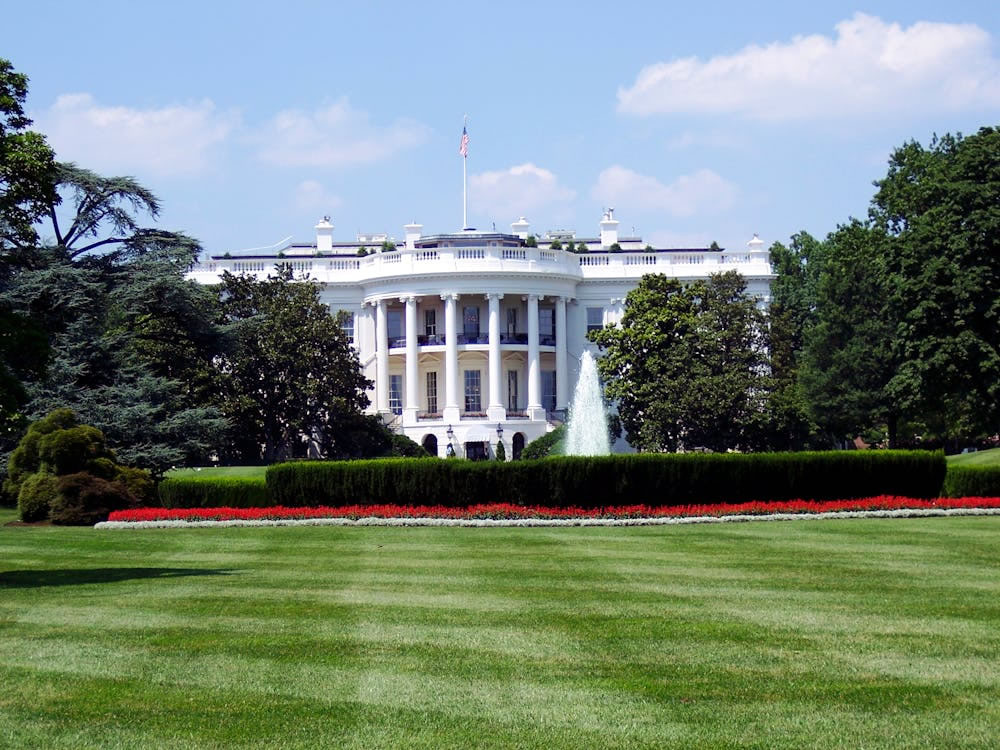
City halls, courthouses, libraries, administrative offices and public safety buildings serve everyone — including seniors, children and residents with respiratory conditions who have no choice about spending time inside them.
Much of America's public building stock is decades old, running HVAC systems that have survived multiple renovations, deferred maintenance cycles and generations of accumulated dust. Every renovation project adds construction particulate to ductwork; every year of heavy public traffic adds more. When that load recirculates, it shows up as stale air, odor complaints, allergy flare-ups among staff and rising energy bills the taxpayer ultimately funds.
IAQ Restoration cleans government facilities at every level — our crews have worked for the US Army, Navy, Air Force, the VA, the State of Georgia and the City of Atlanta. We understand procurement, security protocols and public accountability, and we deliver the documentation that proves the work. The numbers make the case:
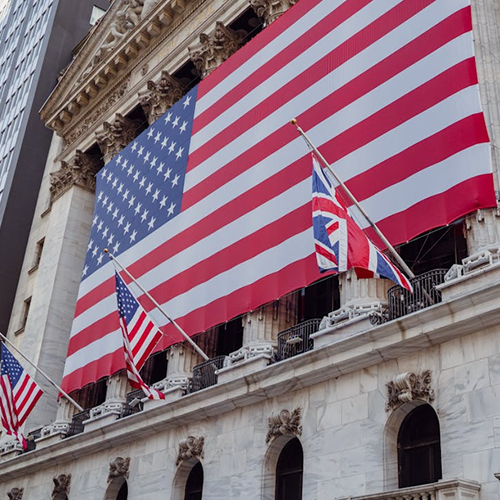
What government building duct cleaning does for your facility
Healthier public spaces
Removing settled dust and microbial growth from ducts cuts the airborne load that staff and visitors breathe every day.
Budget stewardship
Restored airflow and clean coils reduce energy waste and extend the life of capital equipment — savings that show up in public budgets.
Audit-ready documentation
Written scopes, before/after photos and verification records that stand up to public-records requests and facility audits.
Continuity of operations
After-hours and weekend scheduling keeps offices, courtrooms and public services open while the work gets done.
What builds up inside government building HVAC systems
Public buildings collect contamination from two directions at once. From above: aging ductwork sheds decades of accumulated dust, deteriorating liner and renovation debris from every remodel the building has ever seen. From below: relentless daily foot traffic tracks in particulate that gets pulled through return systems, packed onto coils and redistributed through every conditioned space.
Many government facilities also run extended or continuous hours — police and fire stations, courts, detention facilities, emergency operations centers — which means their HVAC systems never get a rest cycle and their filters carry loads the original designers never planned for. Moisture-prone components such as cooling coils and drain pans can quietly support microbial growth that spreads musty odors through public areas and triggers complaints.
How often should a government facility clean its ductwork?
The NADCA ACR Standard calls for inspection-based cleaning: assess conditions first, clean when contamination exceeds benchmarks. For public buildings we recommend annual inspections of air handling units and representative duct runs, with source-removal cleaning typically every 12–24 months for high-traffic facilities — and immediately after renovation projects, water intrusion or persistent odor and air-quality complaints.
Scheduling respects public operations: crews work nights, weekends and holiday closures, follow badging and escort requirements, and hand every zone back clean and operational before doors open.
What's included
- Air handling units, rooftop units and mechanical rooms
- Supply, return and exhaust ductwork throughout the facility
- Coils, blowers, plenums and drain pan decontamination
- Optional UV-C germicidal installation and air purification systems
- Occupied-building containment with HEPA negative air
- Closeout documentation ready for public records and audits
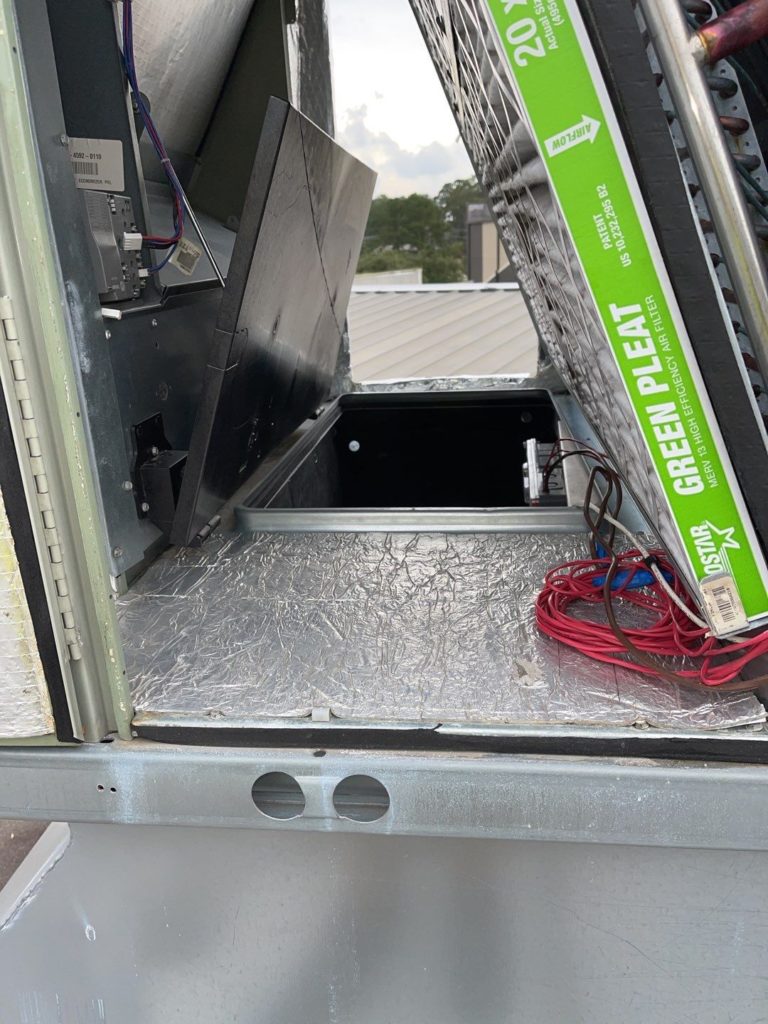
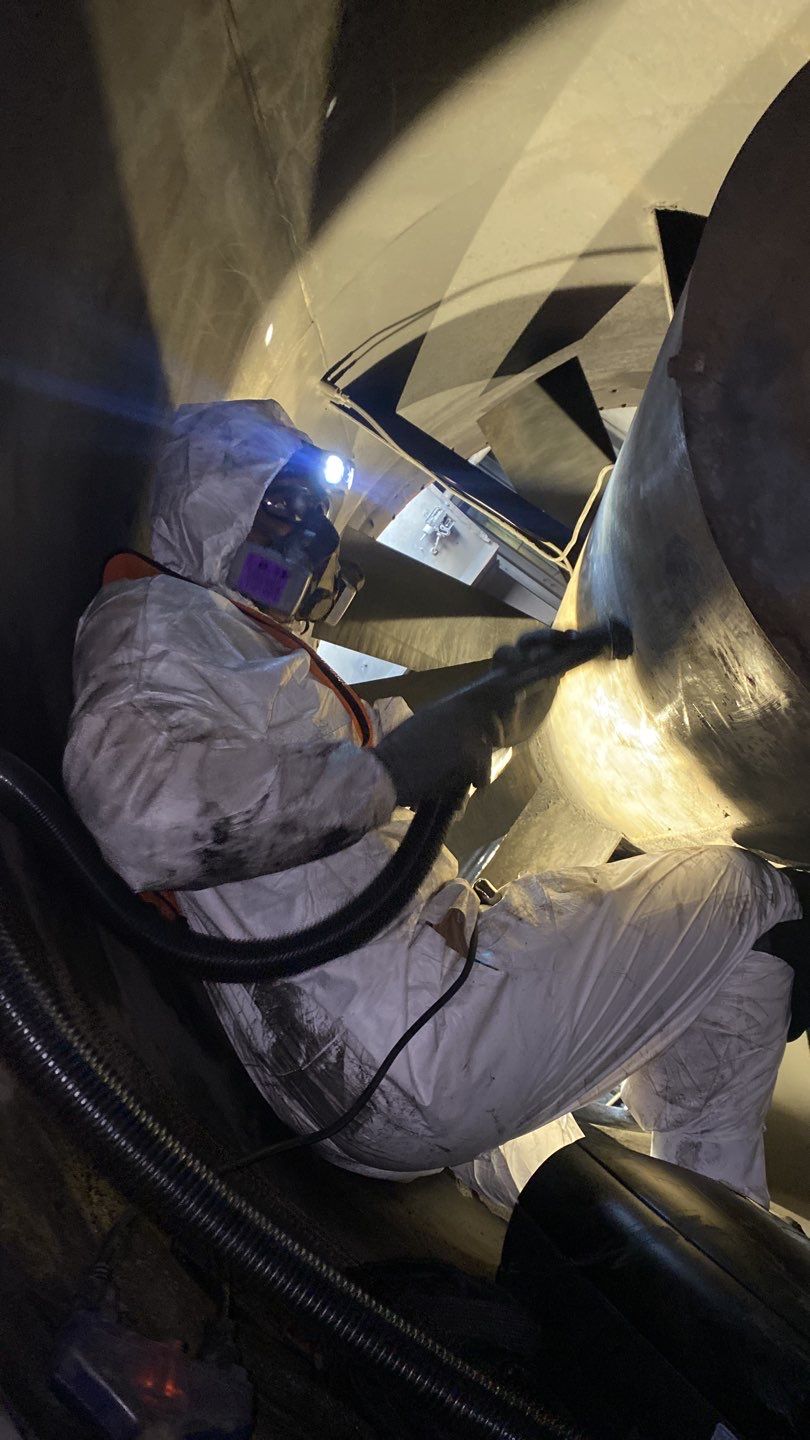
Our crews inside real public facilities

Five steps, built for public buildings
Assess & Plan
System mapping, security coordination and a schedule around public hours.
Contain
Barriers and HEPA negative air protect occupied offices and public areas.
Source Removal
Agitation and extraction through ducts, coils, blowers and plenums.
Verify
Matched-angle before/after photos confirm cleanliness against ACR criteria.
Report
Public-records-ready closeout and a recommended re-inspection cadence.
Choosing a government building duct cleaning provider for a government facility
Public projects demand more than a low bid. Require NADCA certification with verifiable government references, crews that pass background checks and follow badging and escort protocols, insurance certificates and written scopes that satisfy procurement, scheduling that never interrupts public services, and closeout documentation that survives an audit or records request. IAQ Restoration has delivered on all five for federal, state and municipal clients — including the US Army, Navy, Air Force, VA and the City of Atlanta.
Government facility government building duct cleaning questions, answered
Inspect annually and clean based on verified conditions. Most public buildings schedule source-removal cleaning every 12–24 months, and immediately after renovations, water events or persistent air-quality complaints — consistent with the NADCA ACR Standard.
Yes. Work is phased by zone during nights, weekends and holiday closures, with each area contained under HEPA negative air and handed back clean before doors open.
Yes. Our technicians work in badged, escorted and access-controlled environments regularly — including courthouses, federal buildings and military installations — and follow each site's security protocols exactly.
Yes. We provide detailed written scopes, references from government clients, certificates of insurance and any documentation your purchasing process requires, at no cost during evaluation.
All three. IAQ Restoration has performed duct and HVAC cleaning for the US Army, Navy, Air Force and VA, the State of Georgia, and city governments including Atlanta — and mobilizes nationwide.
A written scope, site safety plan, and matched-angle before/after photo verification — organized for facility records, audits and public-records requests.
Yes. We install commercial UV-C germicidal systems and HVAC air purification units as part of the same project, so the system stays cleaner longer after the source removal is done.
Get a facility assessment for your public building
NADCA-certified, security-ready crews, nationwide. Free scope review for procurement.
Call 800-883-6040 Request a Quote Online