SENIOR LIVING FACILITIES
Air Duct Cleaning Senior Living: Complete Guide to Indoor Air Quality and HVAC Maintenance
Air duct cleaning for senior living facilities is a critical healthcare maintenance practice that directly impacts resident safety and regulatory compliance. Professional duct cleaning services remove contaminants, allergens, and airborne particles from HVAC systems, creating a clean and healthy environment essential for elderly residents with compromised immune systems.
Request A Quote For Your School
Introduction
Air duct cleaning for senior living facilities is a critical healthcare maintenance practice that directly impacts resident safety and regulatory compliance. Professional duct cleaning services remove contaminants, allergens, and airborne particles from HVAC systems, creating a clean and healthy environment essential for elderly residents with compromised immune systems.
What This Guide Covers
This comprehensive resource covers professional duct cleaning processes, health benefits for elderly residents, HVAC maintenance schedules, and compliance requirements for senior living facilities. We’ll explore cost-benefit analysis, vendor selection criteria, and specific protocols for nursing homes and assisted living communities. Contaminant build up in HVAC systems can lead to poor air quality and increased health risks, so maintaining clean ducts is crucial to prevent hazards and ensure a safe environment.
Who This Is For
This guide is designed for facility managers, maintenance directors, healthcare administrators, and decision-makers responsible for senior living communities with 50+ residents. Whether you’re managing an assisted living facility or overseeing multiple nursing home locations, you’ll find actionable strategies for maintaining indoor air quality through regular air duct cleaning.
Why This Matters
Elderly residents with compromised immune systems face 3x higher risk of respiratory infections from poor indoor air quality, making professional duct cleaning essential for resident safety. Healthcare facilities require stricter air quality standards than residential buildings, and dirty air ducts can increase respiratory complaints by 45% while raising energy consumption costs by up to 40%. Professional duct cleaning services in senior living facilities also prioritize customer satisfaction by ensuring safety, compliance, and the well-being of all residents.
What You’ll Learn:
When to schedule professional duct cleaning services for optimal resident health
Step-by-step HVAC cleaning processes that minimize facility disruption
Cost-benefit analysis and ROI calculations for senior living facilities
Regulatory compliance requirements and documentation standards
Vendor selection criteria for NADCA-certified cleaning contractors
Understanding Indoor Air Quality in Senior Living Facilities
Indoor air quality standards for healthcare facilities require stricter contamination control than residential buildings due to vulnerable populations and 24/7 HVAC system operation. Senior living facilities must maintain clean air environments where elderly residents with respiratory issues, compromised immune systems, and chronic health conditions can safely live and receive care.
HVAC systems in senior communities circulate air throughout common areas, dining rooms, resident apartments, and healthcare spaces, making air duct contamination a facility-wide health risk. Over time, dirt accumulates in air ducts, which can significantly contribute to poor indoor air quality in senior living facilities. Unlike typical commercial buildings, these facilities operate heating and cooling systems continuously to maintain comfort for residents who spend most of their time indoors.
Unique Air Quality Challenges in Senior Communities
High-traffic common areas increase dust and contaminant circulation throughout the facility, while medical equipment and medication storage require controlled air quality to prevent cross-contamination. Senior living facilities experience 40% more air circulation than typical buildings due to frequent movement between dining areas, activity rooms, and healthcare spaces.
Pet dander from therapy animals, linen fibers from frequent bedding changes, dust mites from carpeted areas, and pollen from outdoor air create additional airborne particles that accumulate in air ducts. This connects to indoor air quality because senior facilities have multiple contamination sources that continuously enter the HVAC system, requiring more frequent cleaning than standard commercial buildings.
Impact on Resident Health and Wellbeing
Specific health risks for residents over 65 include respiratory infections, asthma exacerbation, and allergic reactions triggered by contaminated air circulation. Elderly residents with diabetes, heart disease, and respiratory conditions are particularly vulnerable to airborne pathogens and allergens that thrive in dirty ducts.
Statistical data shows that 68% of senior living residents have existing respiratory conditions, making them susceptible to complications from poor air quality. Hospital-acquired infections and airborne illness transmission rates increase significantly when HVAC systems circulate contaminated air through breeding grounds of accumulated debris and mold spores. Just as hospitals require rigorous duct and vent cleaning to maintain strict air quality and infection control standards for vulnerable patients, senior living facilities must also prioritize regular HVAC maintenance to reduce contamination risks and ensure resident safety.
Building on air quality challenges, these health impacts demonstrate why professional duct cleaning is a medical necessity, not maintenance luxury. Regular cleaning reduces respiratory complaints by 60% and helps prevent outbreaks of illnesses like influenza and respiratory infections that can spread rapidly through shared air systems.
Transition: Understanding these health risks explains why contamination occurs differently in senior living facilities and requires specialized cleaning approaches.
HVAC Systems and Air Duct Contamination in Senior Living
Contamination in senior living HVAC systems occurs more rapidly than other commercial buildings due to continuous operation, high occupancy density, and the presence of medical equipment that generates additional airborne particles. The combination of heating, cooling, and ventilation systems creates an environment where contaminants accumulate and circulate throughout the facility.
Common Contaminants in Senior Living Facilities
Dust accumulation, pet dander from therapy animals, medication particles, and linen fibers from frequent bedding changes are primary contaminants found in senior living air ducts. Bacterial growth thrives in humid conditions near bathrooms and dining areas, while bioaerosols from respiratory activities and volatile organic compounds (VOCs) from cleaning products add to contamination levels. Dryer vents and dryers are additional sources of airborne contaminants and require regular maintenance to ensure safety and air quality in senior living facilities.
Particulate matter PM2.5 and mold spores become concentrated in ductwork where they serve as breeding grounds for bacteria and other allergens. Unlike general commercial buildings, senior living facilities generate medical waste particles and have higher humidity levels that promote microbial growth in HVAC systems.
How Dirty Ducts Affect HVAC Performance
HVAC efficiency decreases by 25-40% when ducts contain 1/4 inch of debris buildup, forcing systems to work harder to maintain comfortable temperatures throughout the facility. Regular duct cleaning helps HVAC systems operate efficiently, reducing energy costs and maintaining comfort for residents. This increased energy usage results in higher operating costs, averaging $2,400 annually for a 100-bed facility with contaminated ductwork.
Dirty air ducts restrict airflow, causing uneven heating and cooling that affects resident comfort and increases wear on HVAC equipment. The cleaning process becomes essential for maintaining energy efficiency and preventing premature system failures that could disrupt resident care.
Unlike general commercial buildings, senior living facilities run HVAC systems 24/7, making contamination impact more severe and requiring more frequent professional cleaning to maintain optimal performance.
Health Risks for Elderly Residents
Respiratory infections, asthma exacerbation, and allergic reactions are common health consequences when contaminated air circulates through senior living facilities. Elderly residents with compromised immune systems cannot effectively fight off airborne pathogens that accumulate in dirty ducts and spread through the ventilation system. The need for clean air in senior living facilities is similar to the strict air quality requirements found in hospital operating rooms, where maintaining high air quality is crucial for patient safety and infection control.
Dust mites, mold spores, and bacteria create ongoing respiratory issues for residents who already struggle with chronic conditions. Poor air quality contributes to increased hospitalizations, medication needs, and overall decline in resident well being.
Key Points:
68% of senior living residents have respiratory conditions making them vulnerable to airborne contaminants
Dirty ducts increase infection risk by 45% compared to facilities with regular cleaning
Professional cleaning reduces respiratory complaints by 60% within three months of service
Transition: These health risks demonstrate why professional cleaning procedures are essential for maintaining safe environments in healthcare facilities.
Professional Air Duct Cleaning Process and Benefits
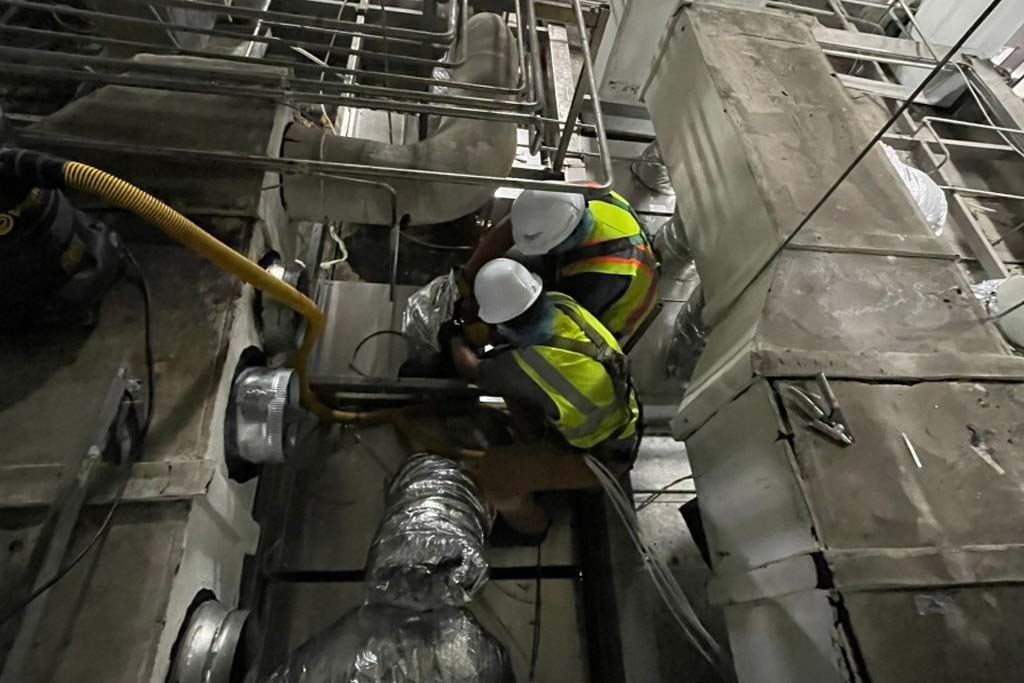
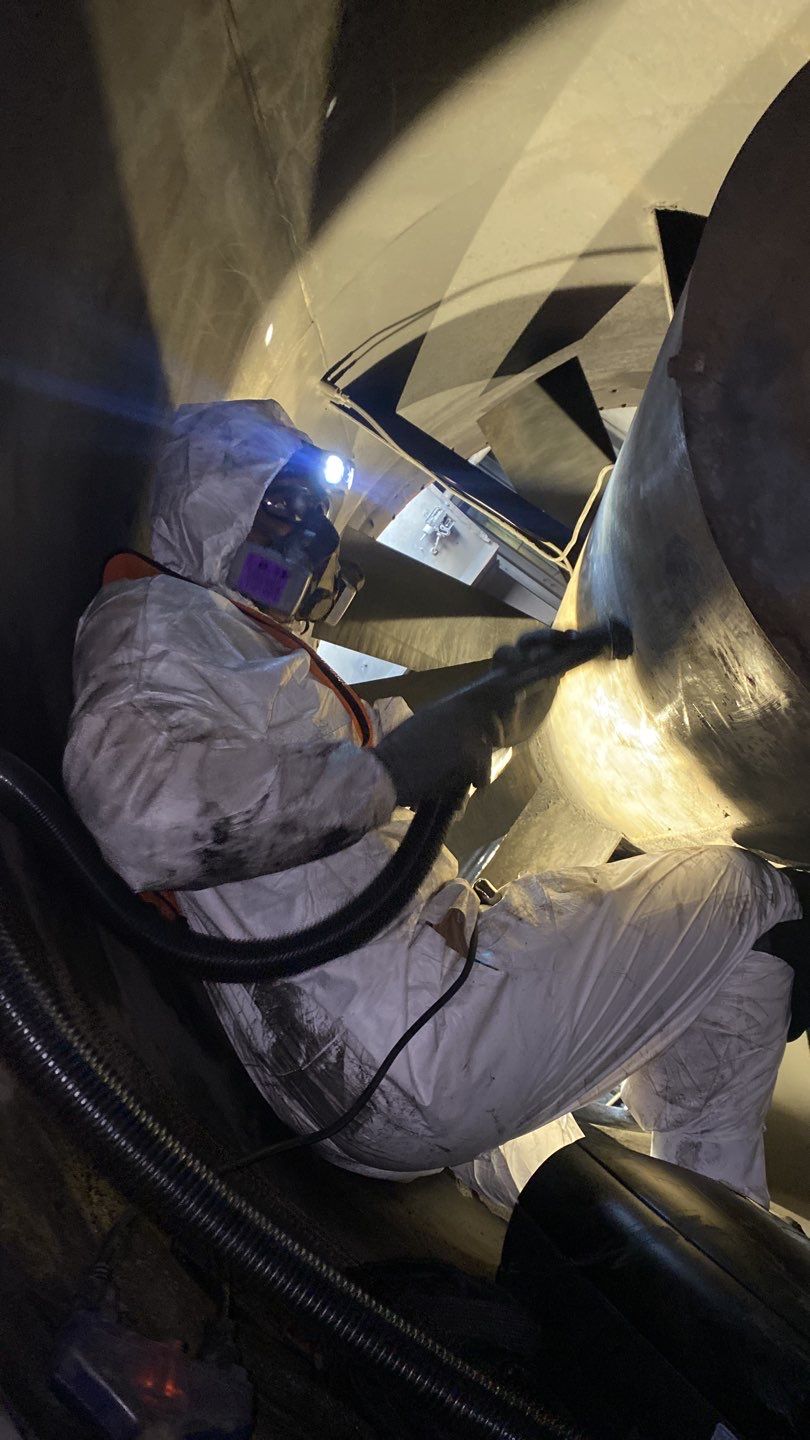
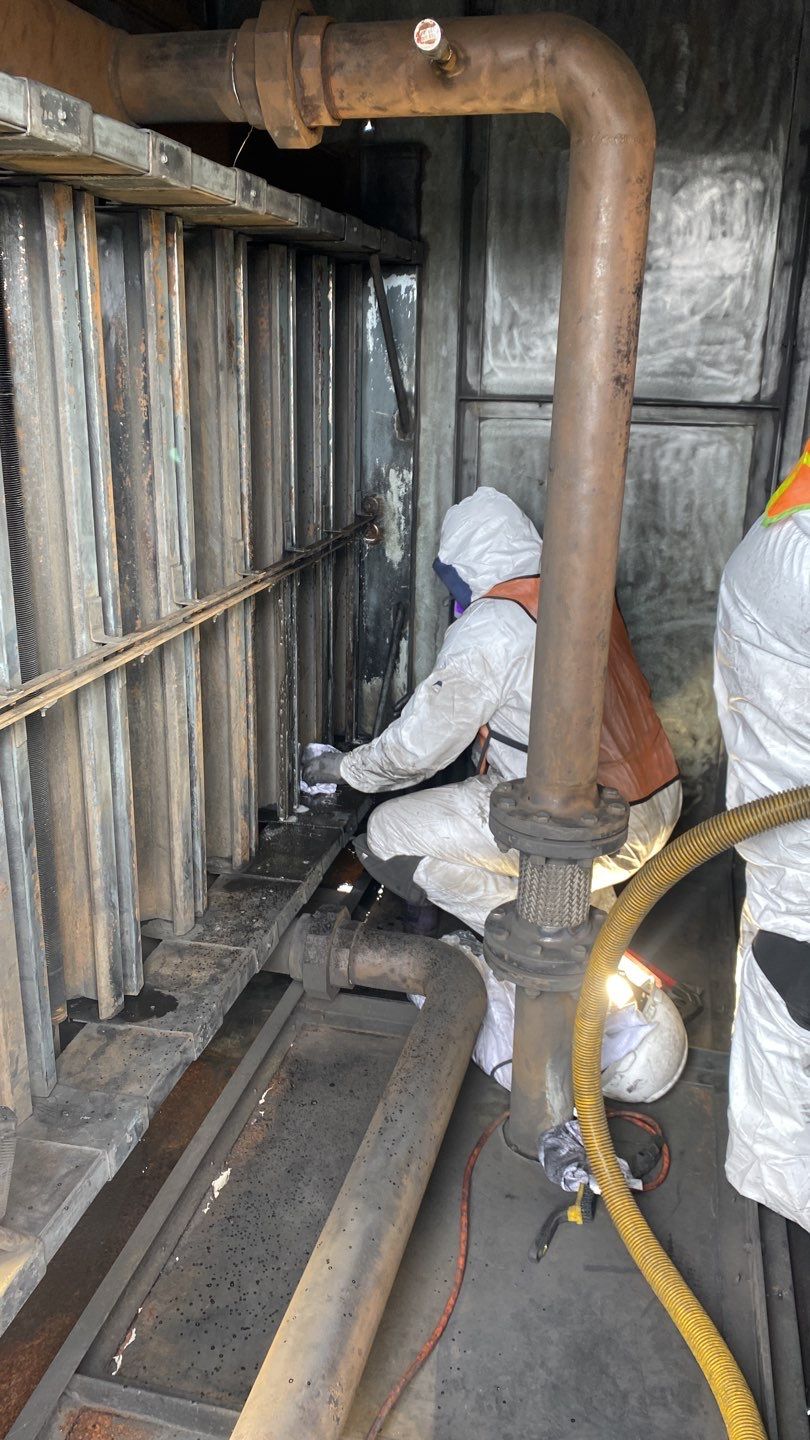
Professional air duct cleaning for senior living facilities requires specialized equipment, NADCA certification, and experience working in healthcare environments where resident safety and minimal disruption are priorities. The cleaning process involves thorough removal of dust, allergens, mold, and other contaminants from the entire HVAC system using high-powered vacuum equipment and EPA-approved sanitization treatments. Professional services result in cleaner air and a safer environment for residents. Ducts must be thoroughly cleaned to remove all contaminants and maintain optimal air quality. Regular duct cleaning and the use of UV-C technology are essential components of a comprehensive approach to maintaining air quality in senior living facilities.
Step-by-Step: Professional Duct Cleaning Procedure
When to use this: NADCA-certified cleaning for facilities with 50+ residents requiring minimal disruption to daily operations and full regulatory compliance documentation.
Pre-inspection using camera equipment: Certified technicians document contamination levels throughout the ductwork system, identifying problem areas and developing a thorough cleaning plan specific to the facility layout.
Containment setup to prevent dust spread: Professional teams install barriers and negative pressure systems to isolate work areas from resident spaces, ensuring clean air continues flowing to occupied areas during the cleaning process.
High-powered vacuum extraction using negative pressure systems: Truck-mounted or industrial portable vacuum equipment removes accumulated debris, dust mites, and contaminants from supply and return ducts without releasing particles into the facility.
Sanitization with EPA-approved antimicrobial treatments: Application of safe, healthcare-grade disinfectants eliminates bacteria, mold spores, and other allergens while maintaining air quality standards required for vulnerable populations.
Post-cleaning verification with air quality testing: Documentation includes photographic evidence and air quality measurements proving the cleaning process successfully removed contaminants and restored proper HVAC efficiency.
Comparison: In-House vs Professional Cleaning Services
Feature | In-House Cleaning | Professional Services |
|---|---|---|
Cost | $1,000-$2,000 equipment + staff time | Depends on the size of the facility |
Equipment Quality | Limited portable vacuums | Truck-mounted systems, HEPA filtration |
Certification | No specialized training | NADCA certified, healthcare experience |
Insurance Coverage | Facility assumes liability | Full coverage for equipment and resident safety |
Time to Completion | 5-7 days, multiple interruptions | 1-2 days, minimal resident disruption |
Professional cleaning provides liability protection and regulatory compliance essential for senior living facilities, while in-house efforts lack the specialized equipment and certification required for healthcare environments. The difference in cost is offset by superior results, faster completion, and reduced risk of respiratory issues among residents.
Transition: Even with professional services, facilities face specific challenges that require careful planning and coordination.
Common Challenges and Solutions
Senior living facilities encounter unique operational challenges during air duct cleaning projects that require specialized coordination between cleaning contractors, facility staff, and resident care teams to maintain safety and comfort standards. In addition to air duct cleaning, dryer vent cleaning is another critical maintenance task for preventing fire hazards and ensuring resident safety in senior living facilities.
Challenge 1: Minimizing Disruption During Cleaning
Solution: Schedule cleaning during early morning hours (5 AM – 9 AM) when residents are sleeping, use containment barriers for common areas, and coordinate with nursing staff to ensure medical equipment continues operating normally.
Professional teams can clean 50% of facility ductwork without evacuating residents by using negative pressure containment and working systematically through different building sections while maintaining fresh air circulation to occupied areas.
Challenge 2: Compliance with Healthcare Regulations
Solution: Hire NADCA-certified contractors familiar with CMS and state health department requirements for senior living facilities, ensuring all documentation meets Joint Commission standards for healthcare facilities.
Proper compliance requires pre-cleaning air quality assessments, detailed contamination documentation, and post-cleaning verification reports that satisfy regulatory audits and demonstrate commitment to maintaining a healthy environment for residents.
Challenge 3: Scheduling Around Resident Activities
Solution: Plan 2-3 week advance notice, coordinate with activities director to relocate programs to unaffected areas, and provide alternative common spaces during cleaning of dining rooms and activity areas.
Most facilities require 6-month advance booking for comprehensive cleaning to ensure adequate preparation time and avoid conflicts with special events, family visits, or medical procedures that cannot be rescheduled.
Transition: Successfully addressing these challenges requires a systematic approach to planning and implementation.
Conclusion and Next Steps
Air duct cleaning is essential healthcare maintenance for senior living facilities, not optional building upkeep. Regular cleaning protects elderly residents with compromised immune systems, ensures regulatory compliance, and maintains energy efficiency in HVAC systems that operate continuously to support resident care and comfort. Without regular maintenance, the risk of dryer fires and dryer vent fires increases significantly, especially in senior living environments where lint buildup can quickly become a fire hazard. Proper air duct cleaning also helps regulate heat, ensuring comfort and safety for residents year-round.
Professional duct cleaning services reduce respiratory infections, eliminate breeding grounds for bacteria and mold spores, and create the clean and healthy environment that seniors deserve in their living communities.
To get started:
Schedule air quality assessment within 30 days to document current contamination levels and identify priority areas requiring immediate attention
Request quote NADCA-certified contractor as IAQ Restoration Inc. with healthcare facility experience and proper insurance coverage for senior living environments
Develop annual cleaning schedule based on facility size, resident health needs, and regulatory requirements for ongoing air quality maintenance
Related Topics: Consider exploring HVAC filter replacement schedules for ongoing maintenance, indoor air quality monitoring systems for continuous oversight, and emergency response protocols for air quality incidents that could affect resident health.